Special Places
Some places leave a lasting impression long after the dive has ended. Whether because of their extraordinary beauty, unique history, rare marine life, or unforgettable atmosphere, these destinations stand apart as truly exceptional. This gallery brings together some of the most remarkable locations I have explored around the world—from iconic dive sites to hidden gems—each offering its own unique character and unforgettable underwater experience. These are the places that inspire adventure, ignite curiosity, and remind us of the incredible diversity and beauty of our blue planet.
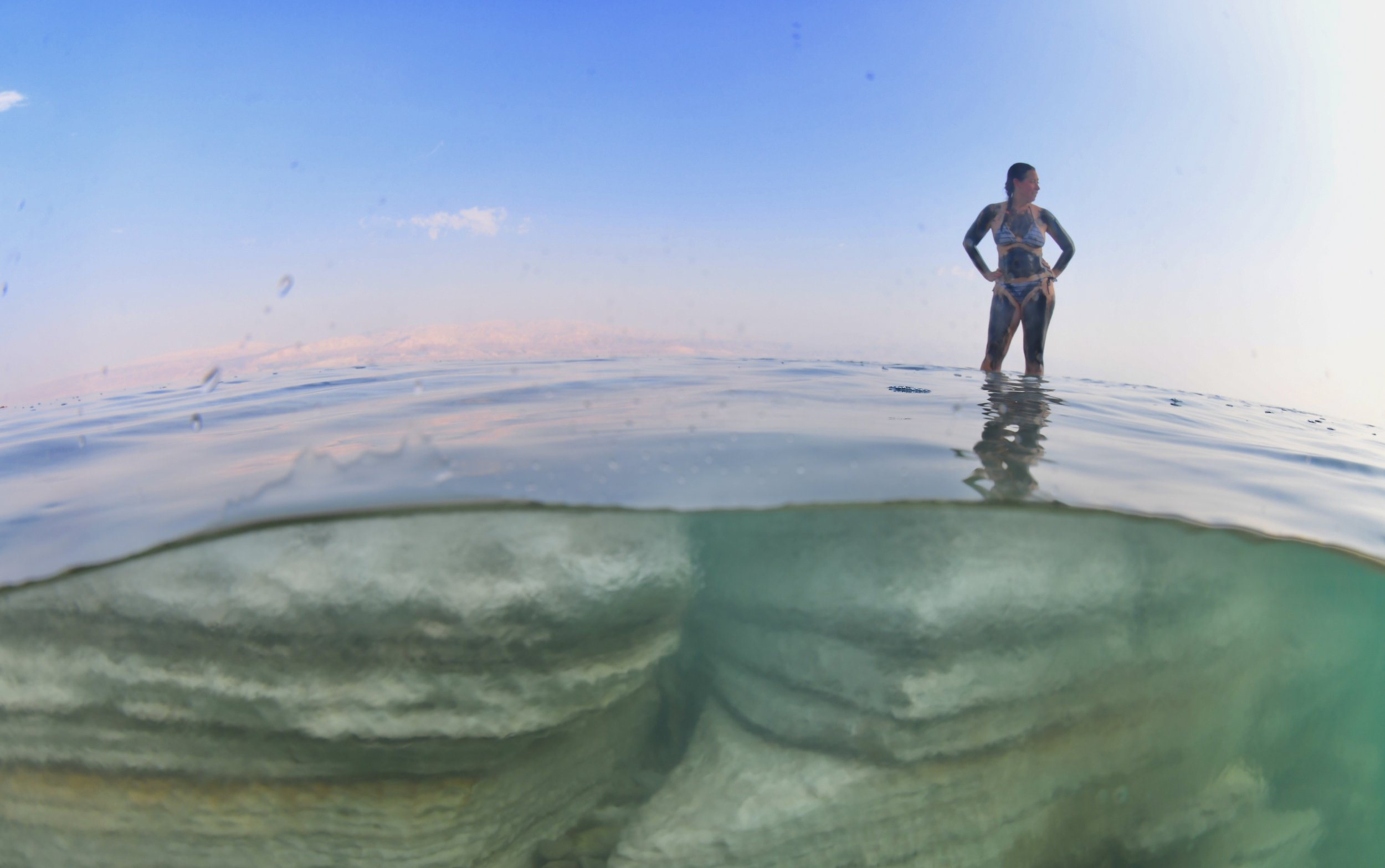
The Dead Sea, Israel 🇮🇱
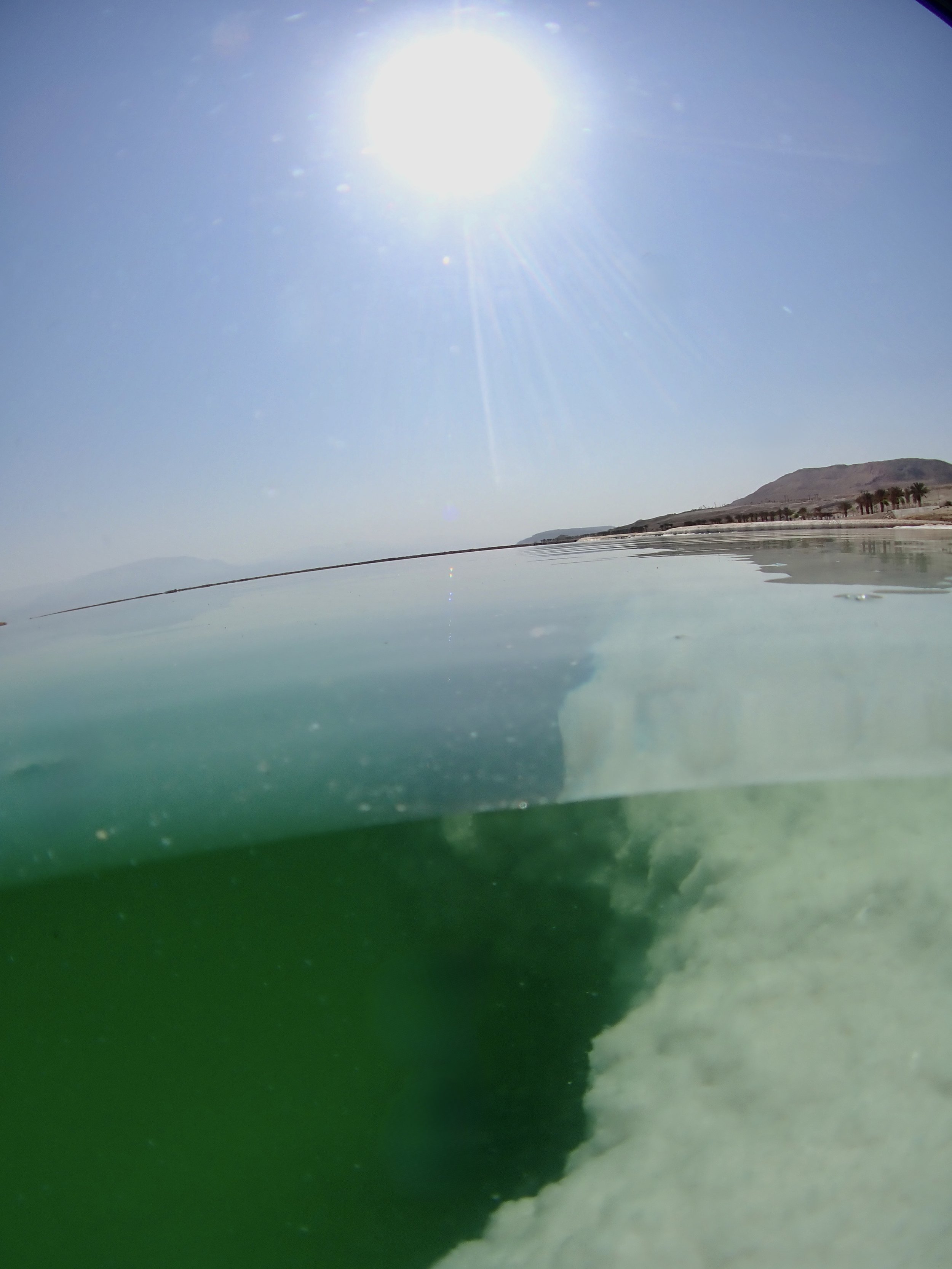
The lowest place on the planet (
-405m below Sea level).
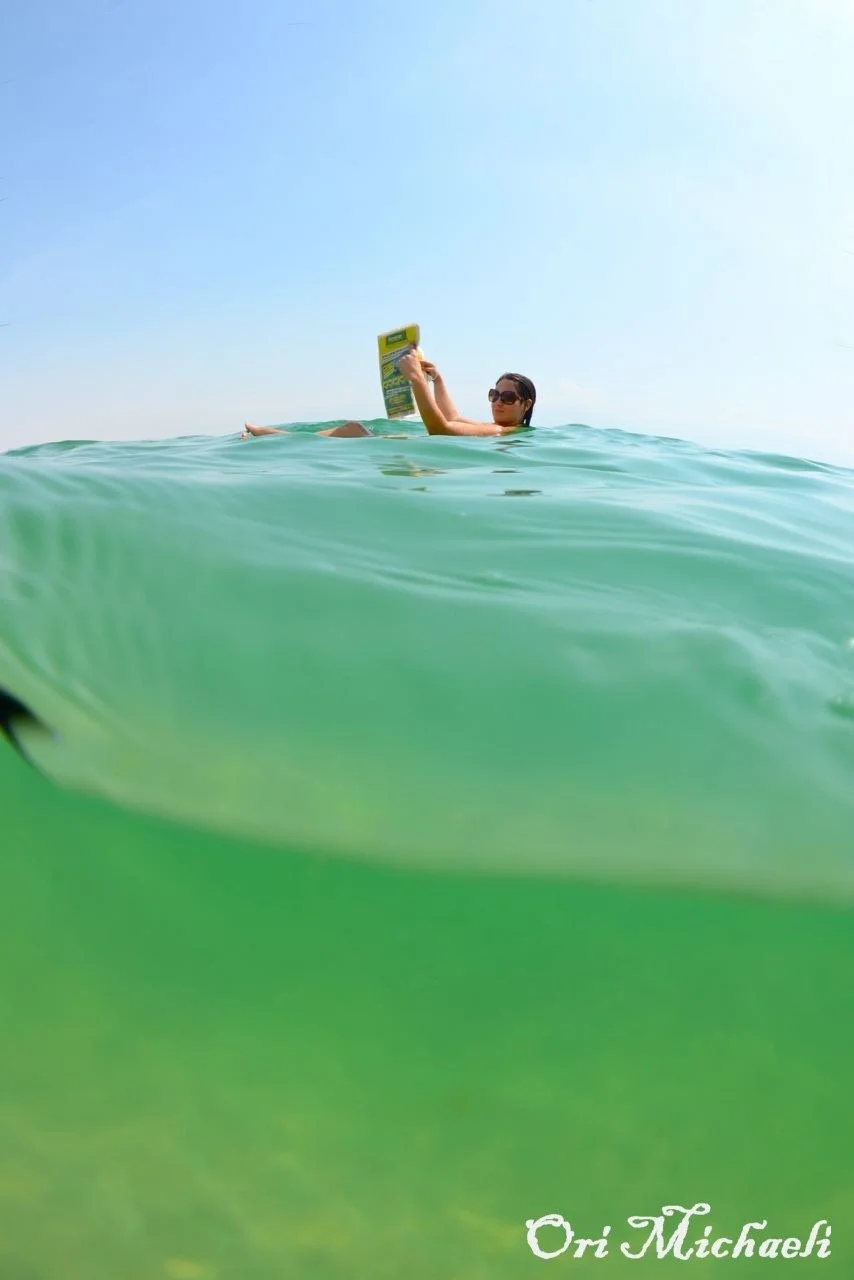
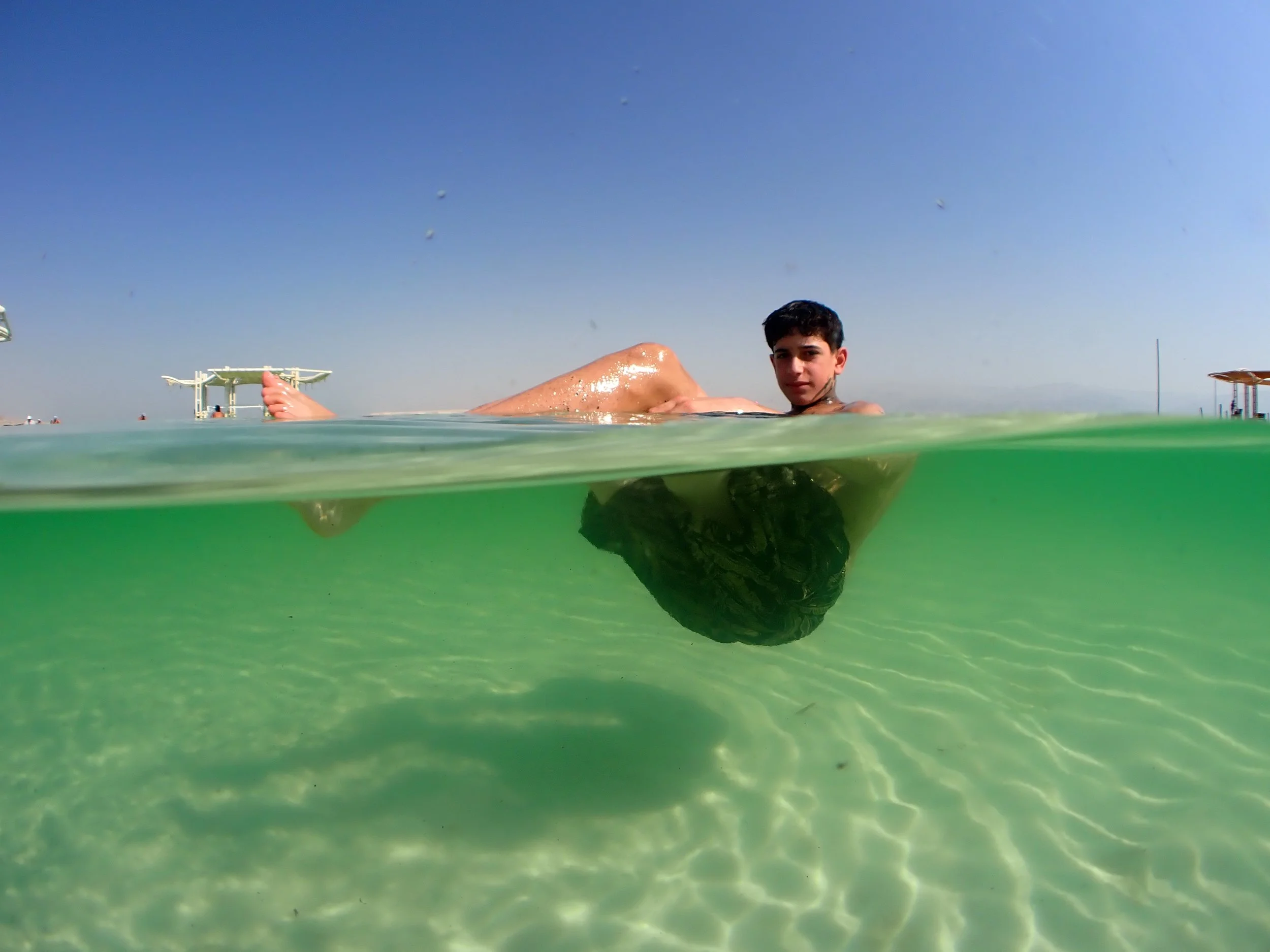
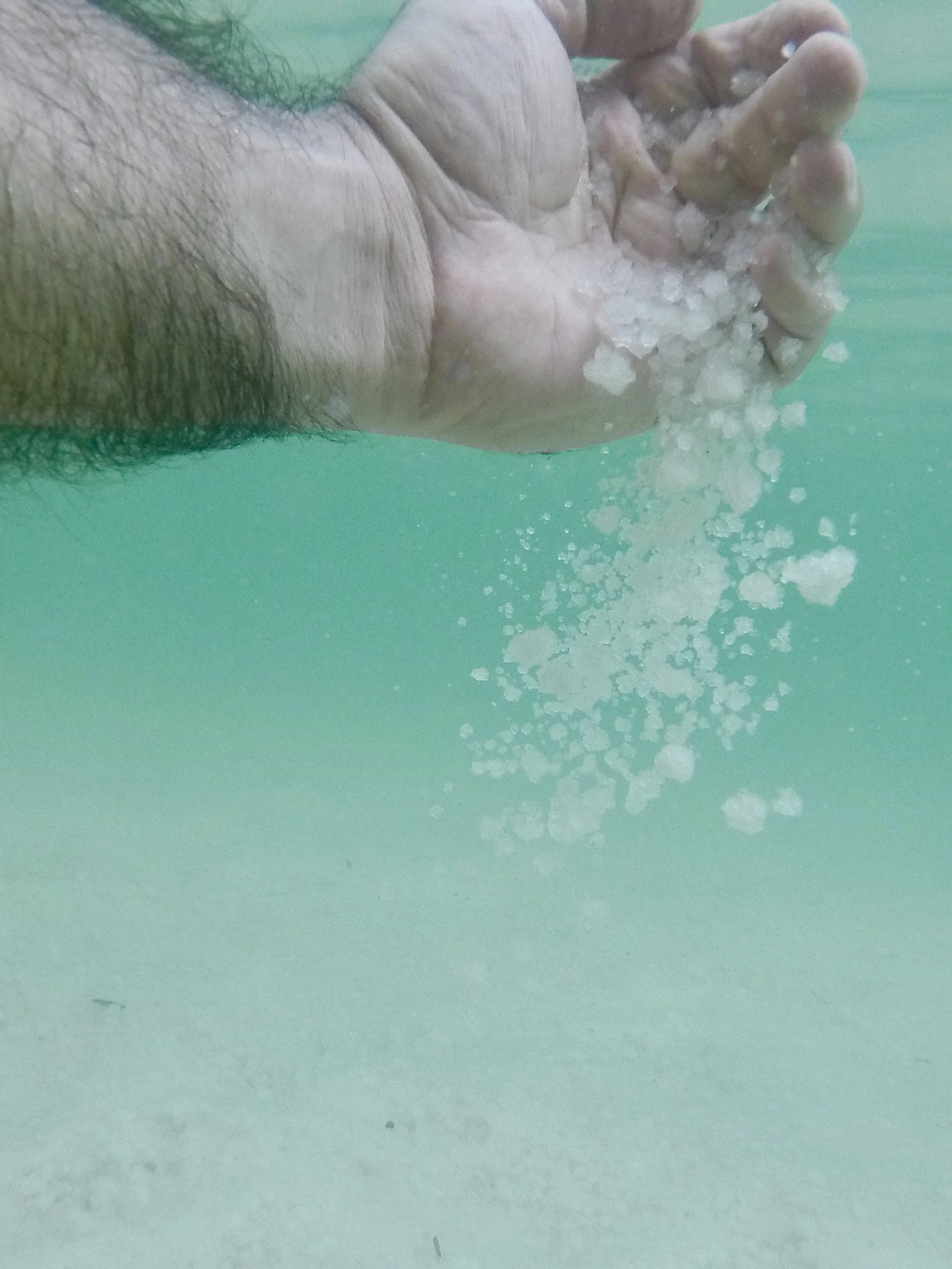
Salinity of 34,2%
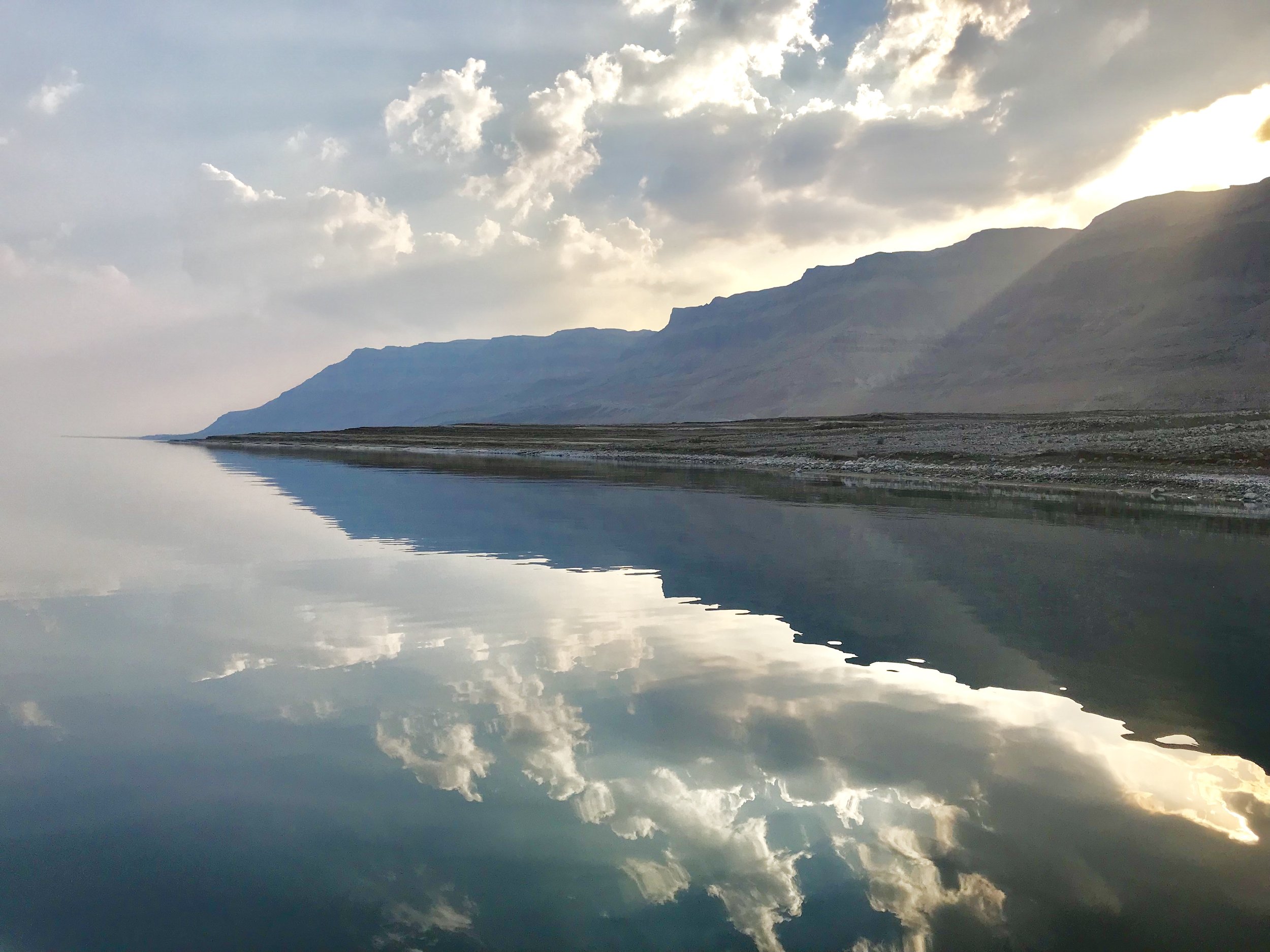
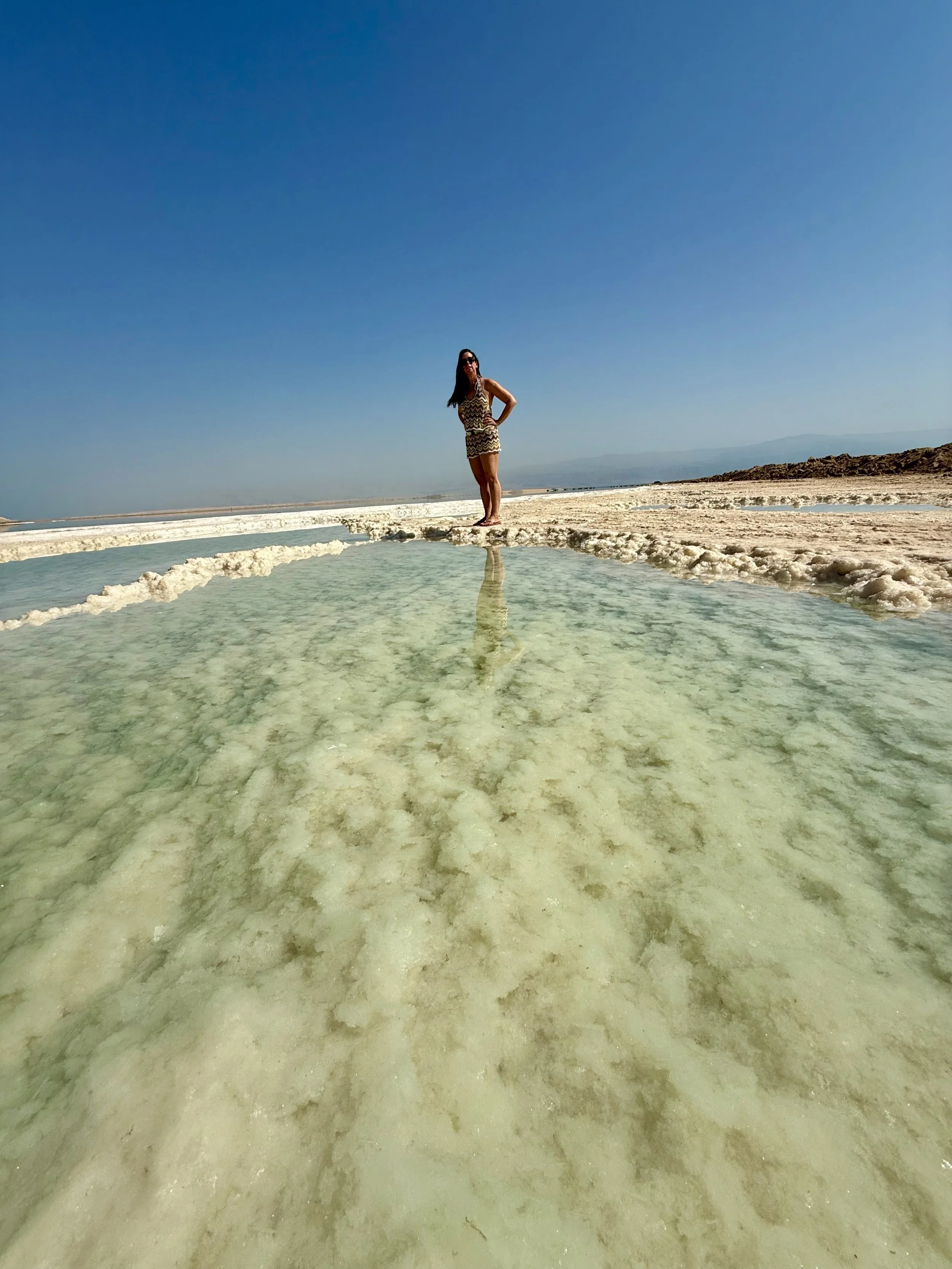
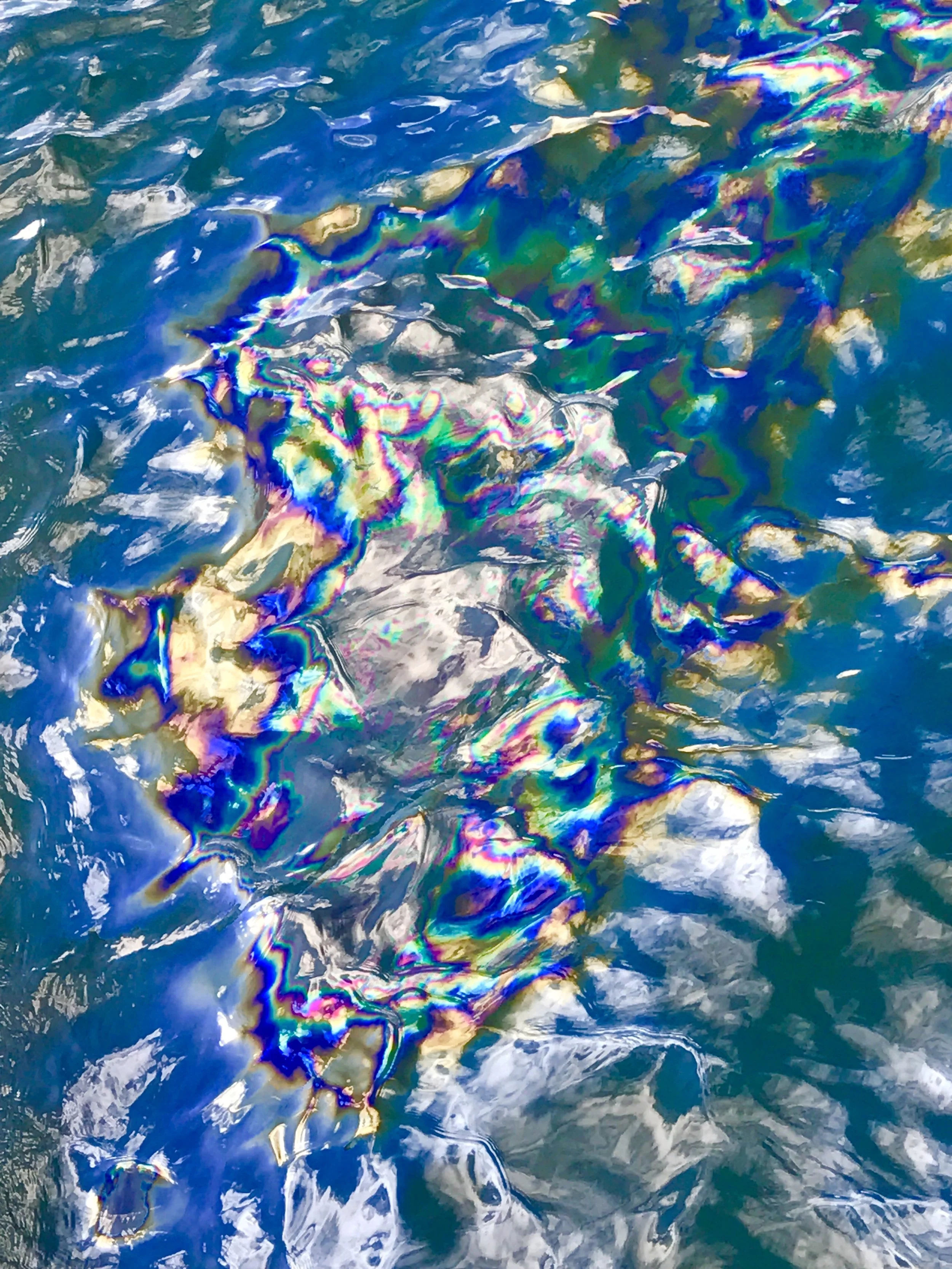
Some dive sites are unforgettable not because of the marine life they hold, but because of the extraordinary environments they offer. The Dead Sea is one of those truly unique places.
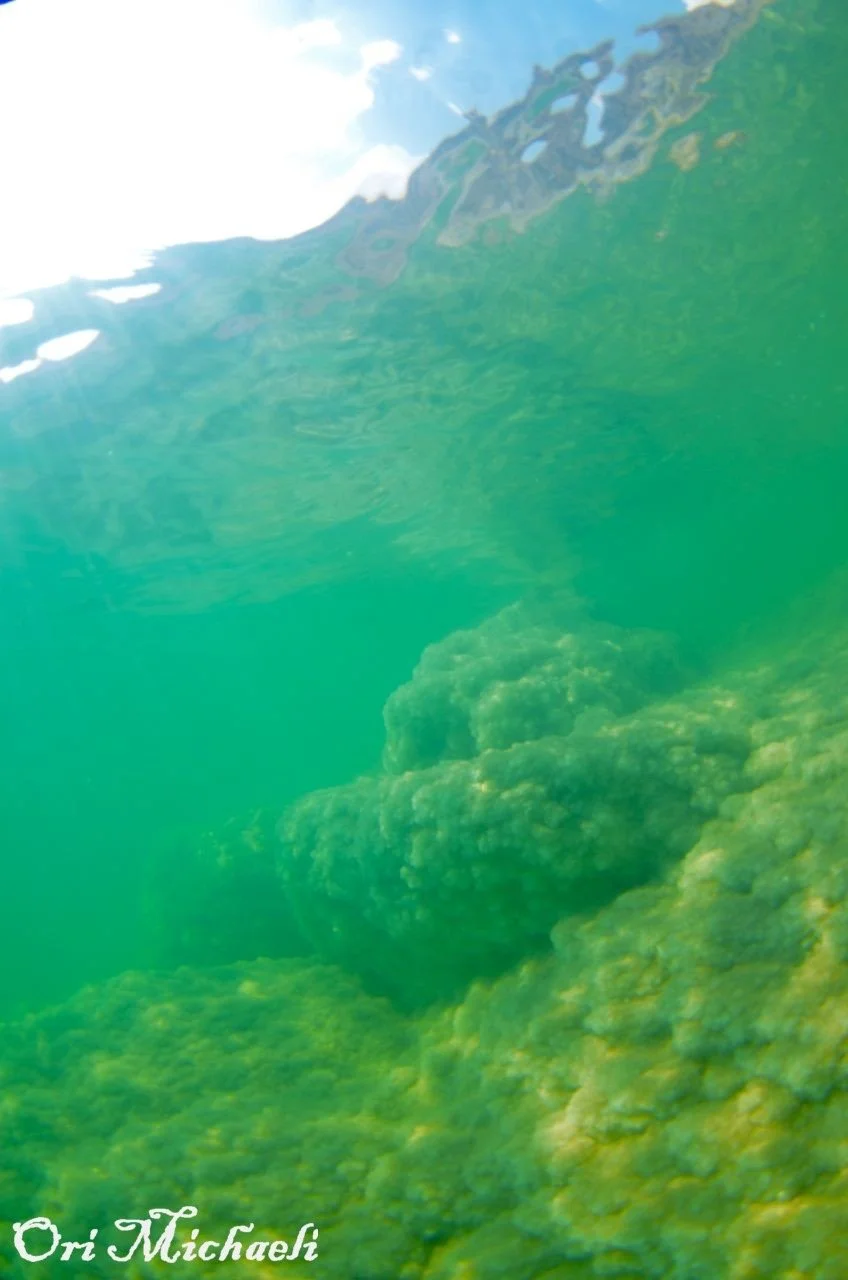
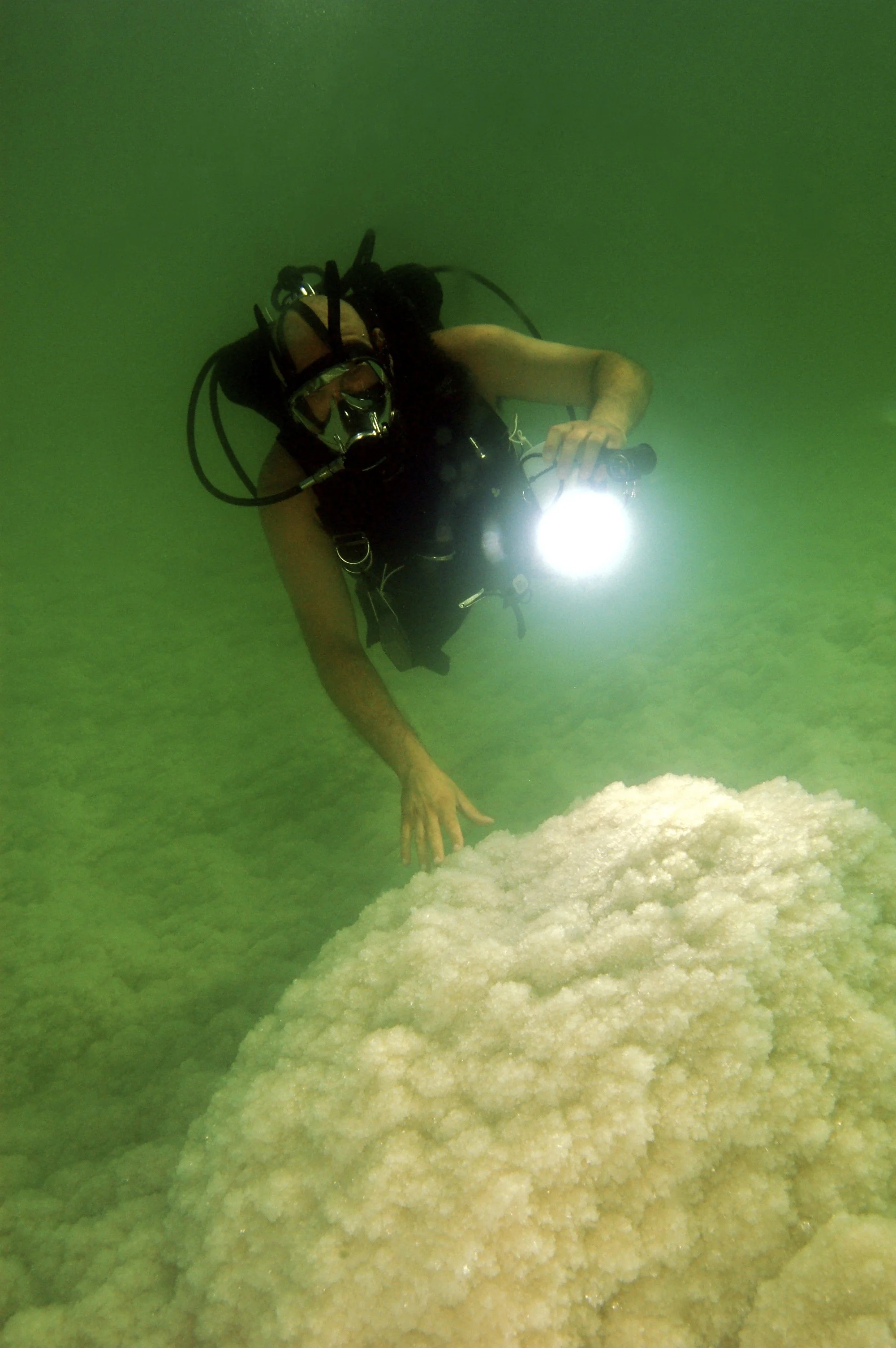
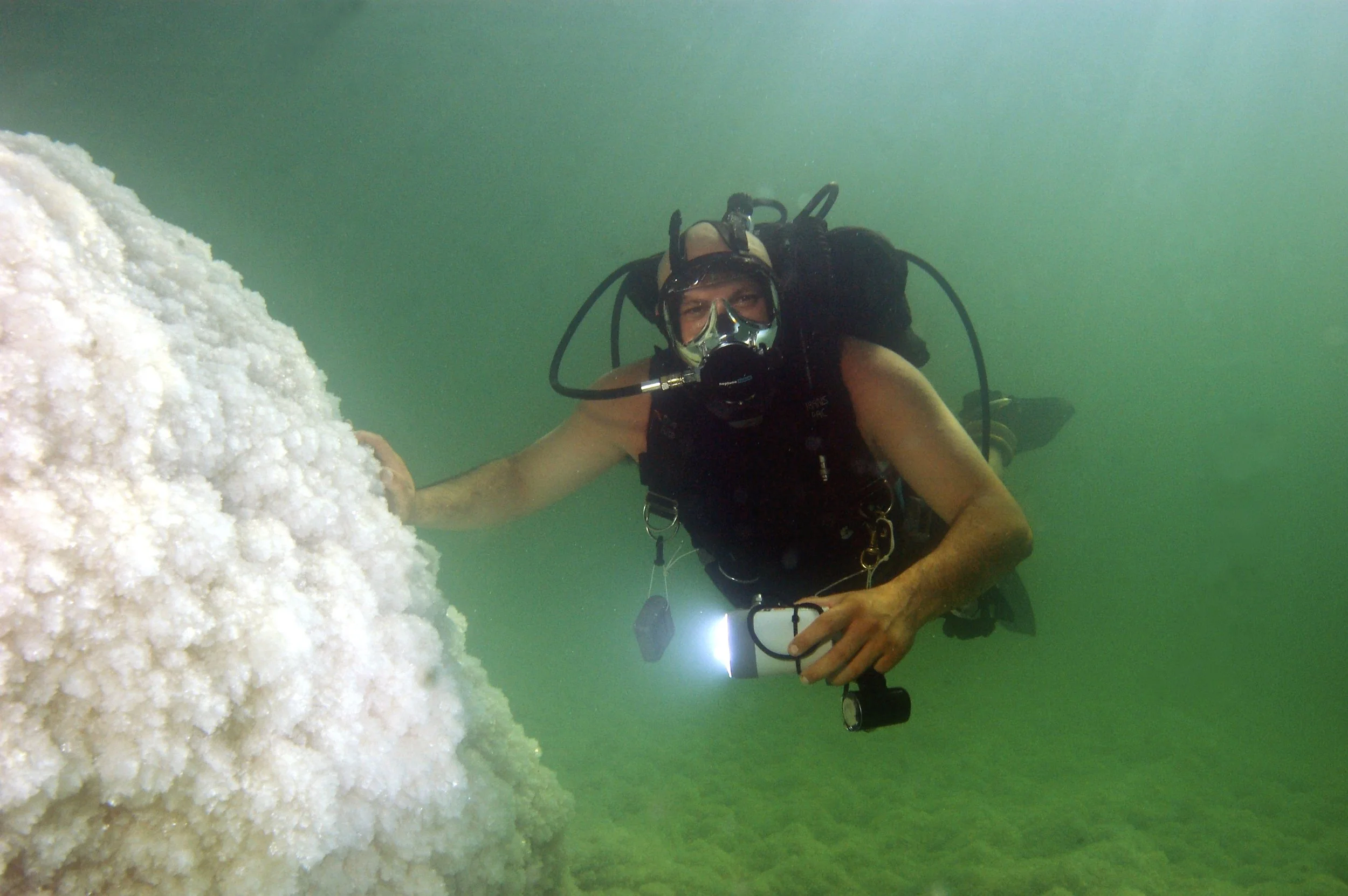
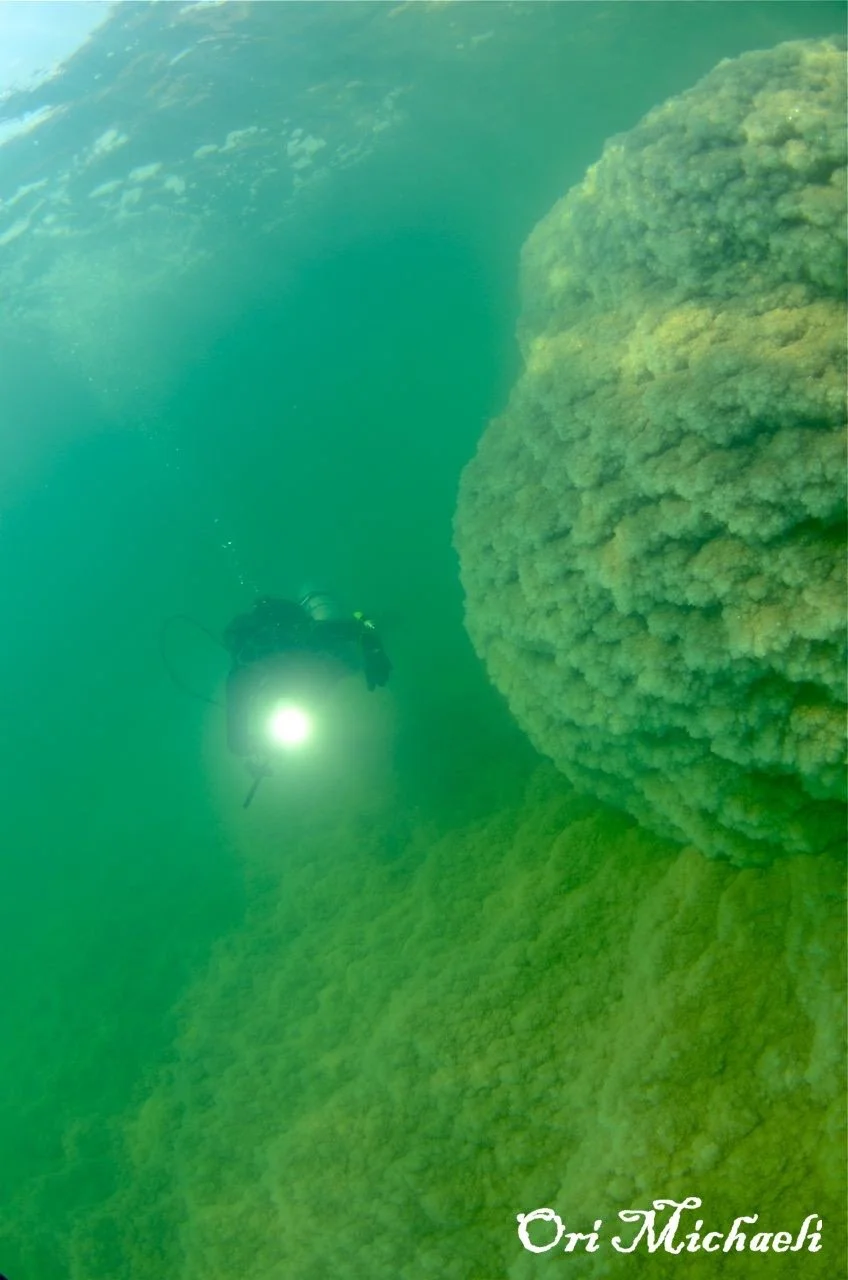
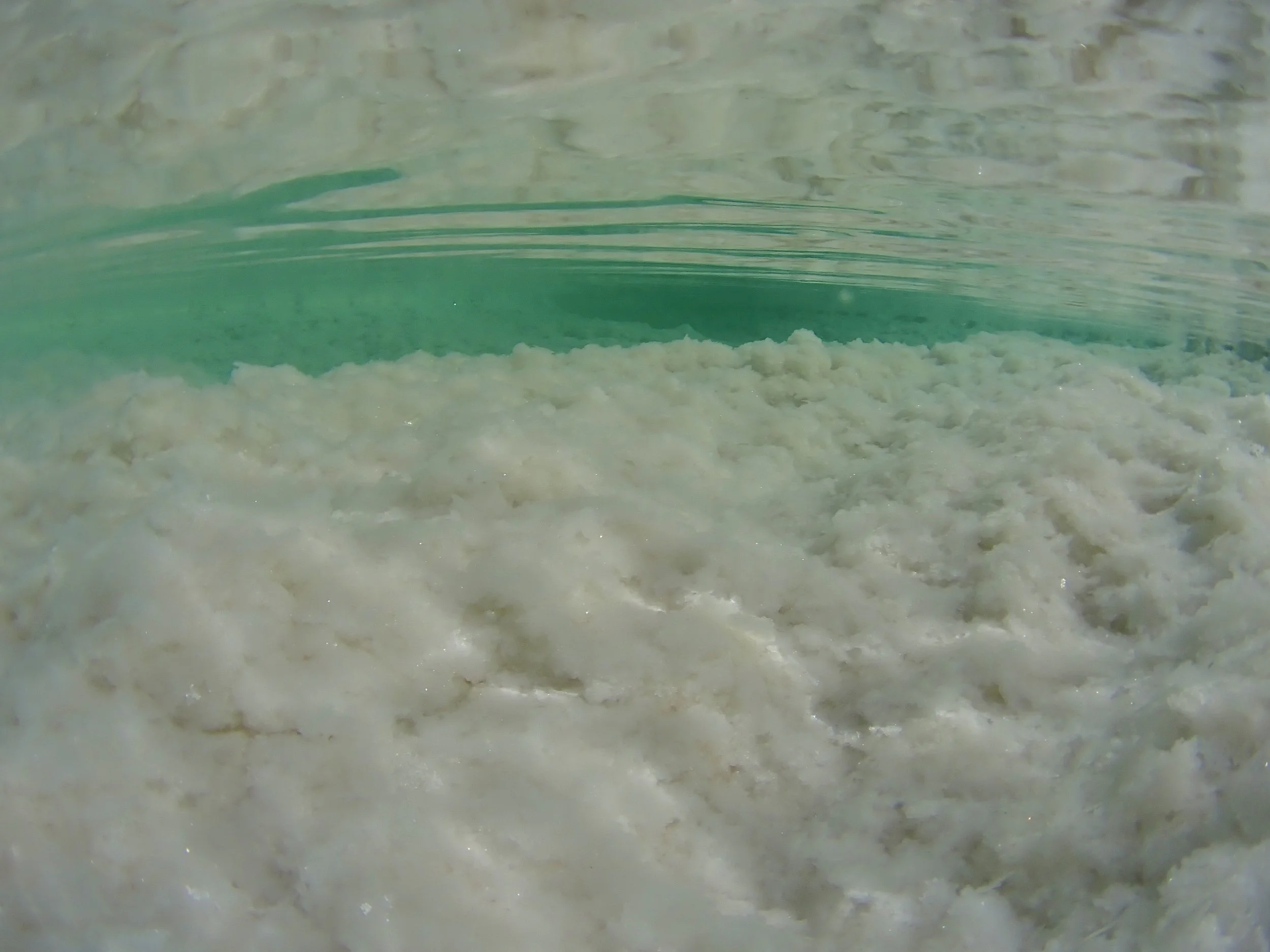
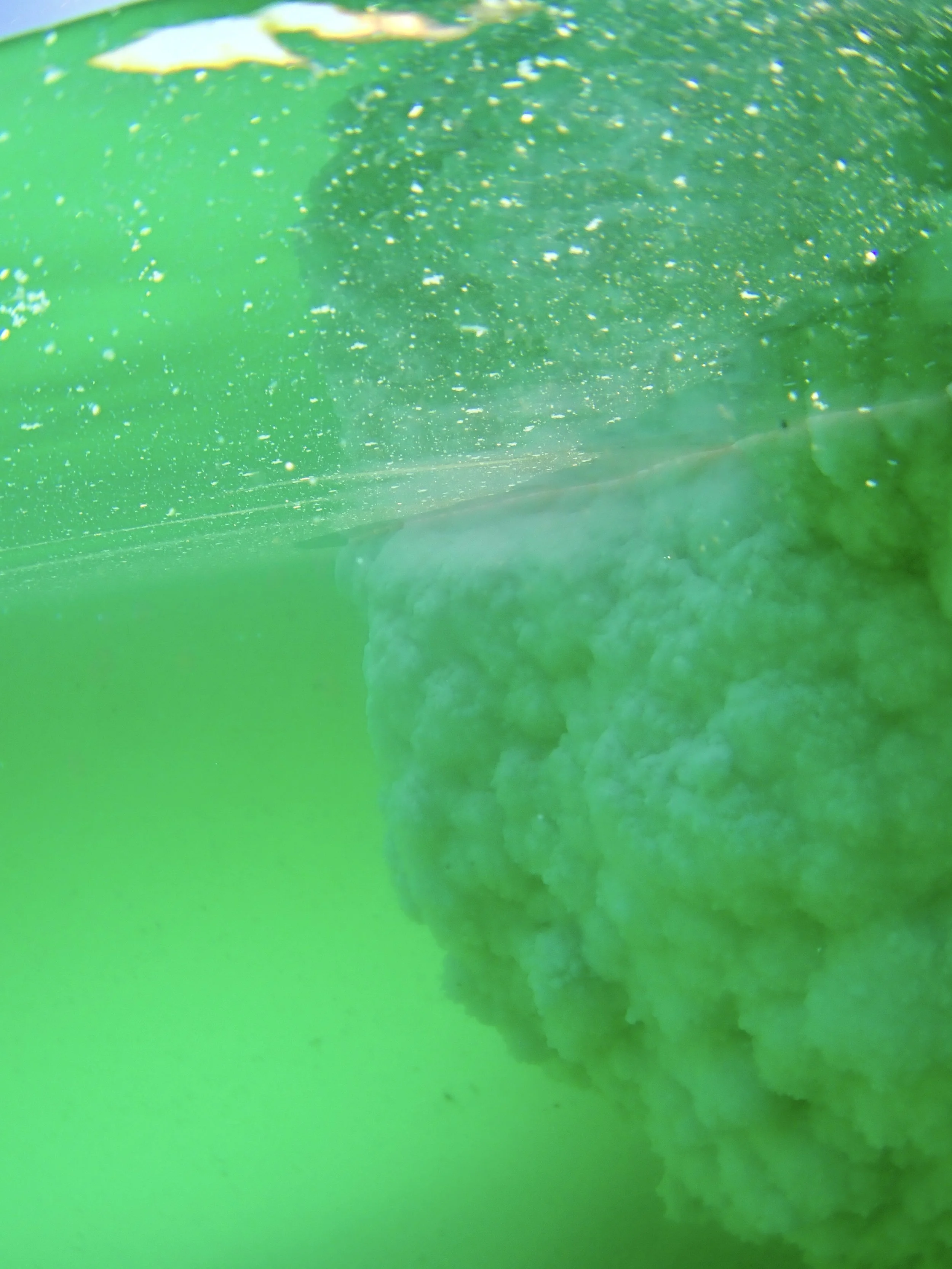
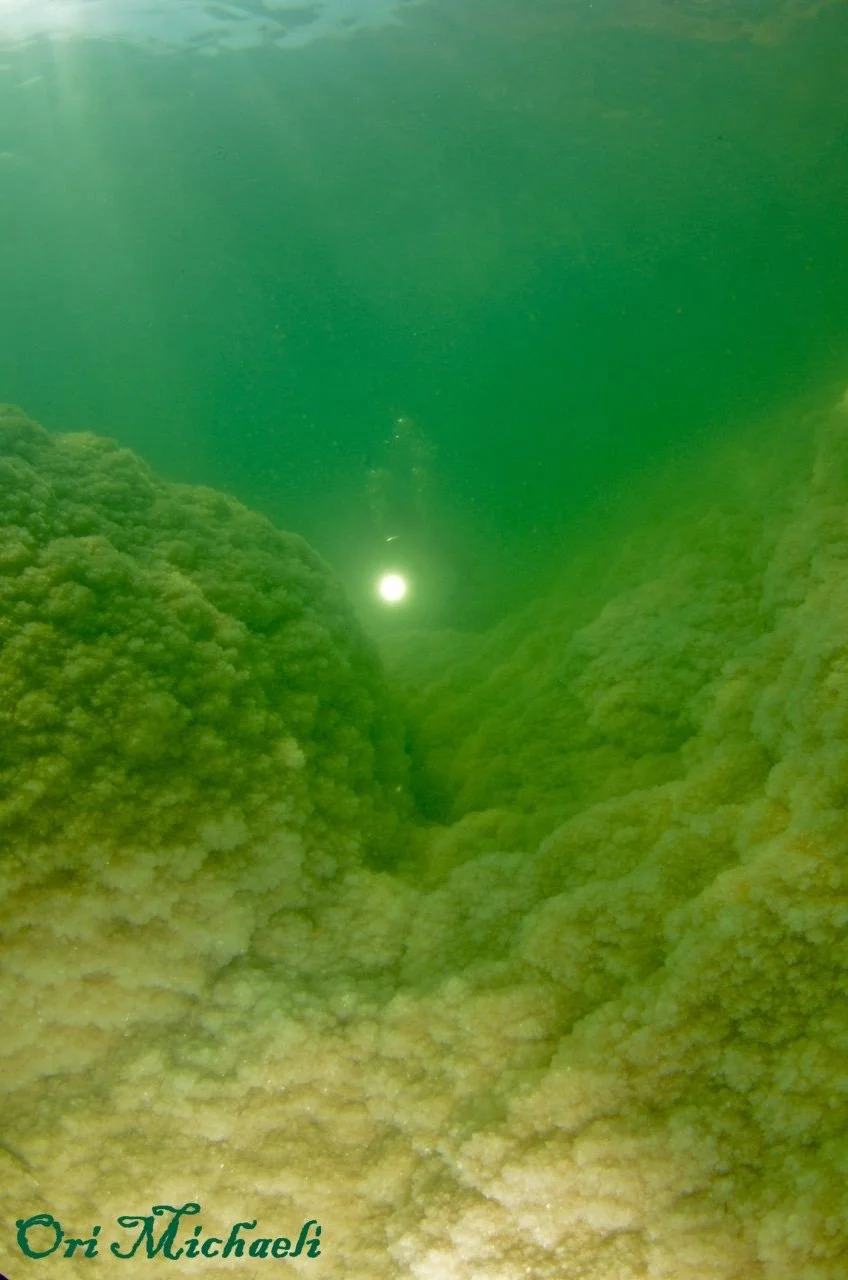
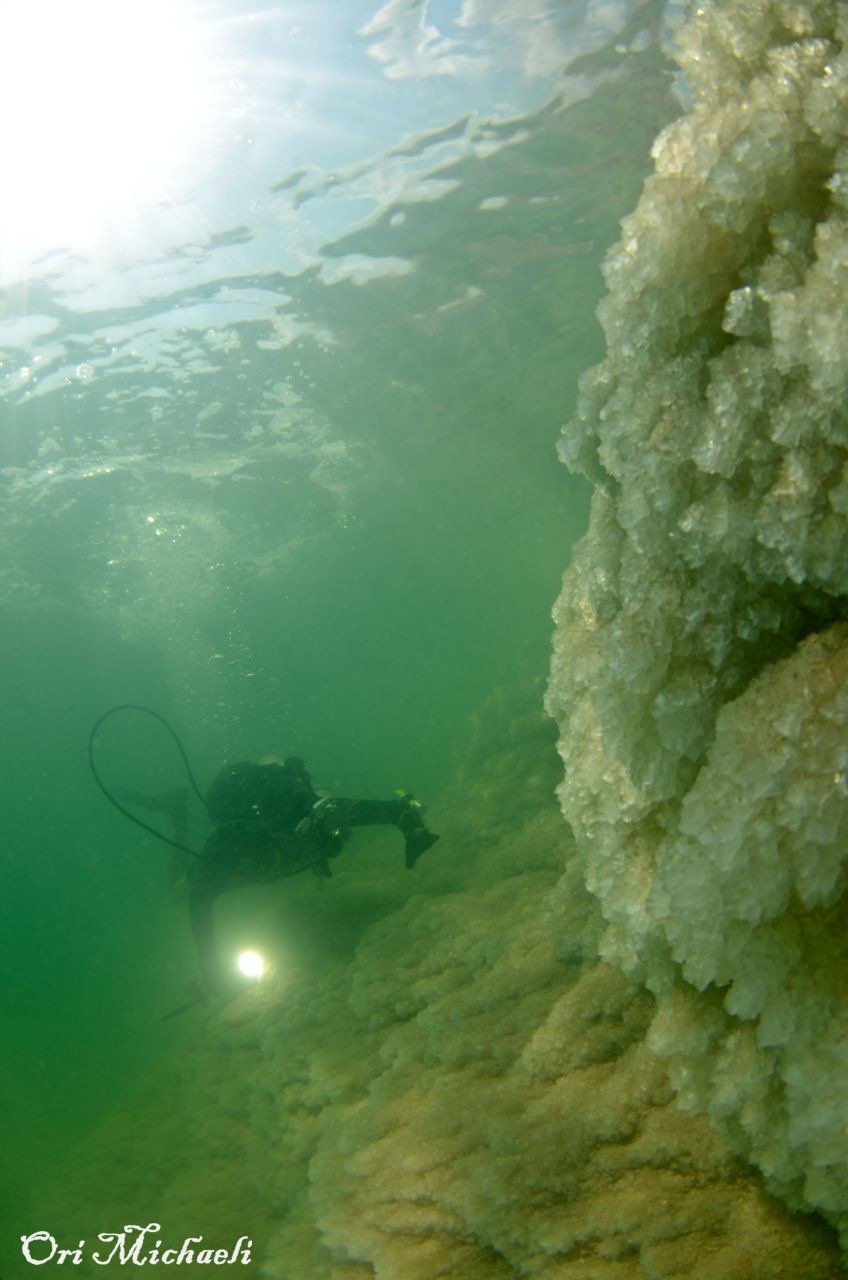
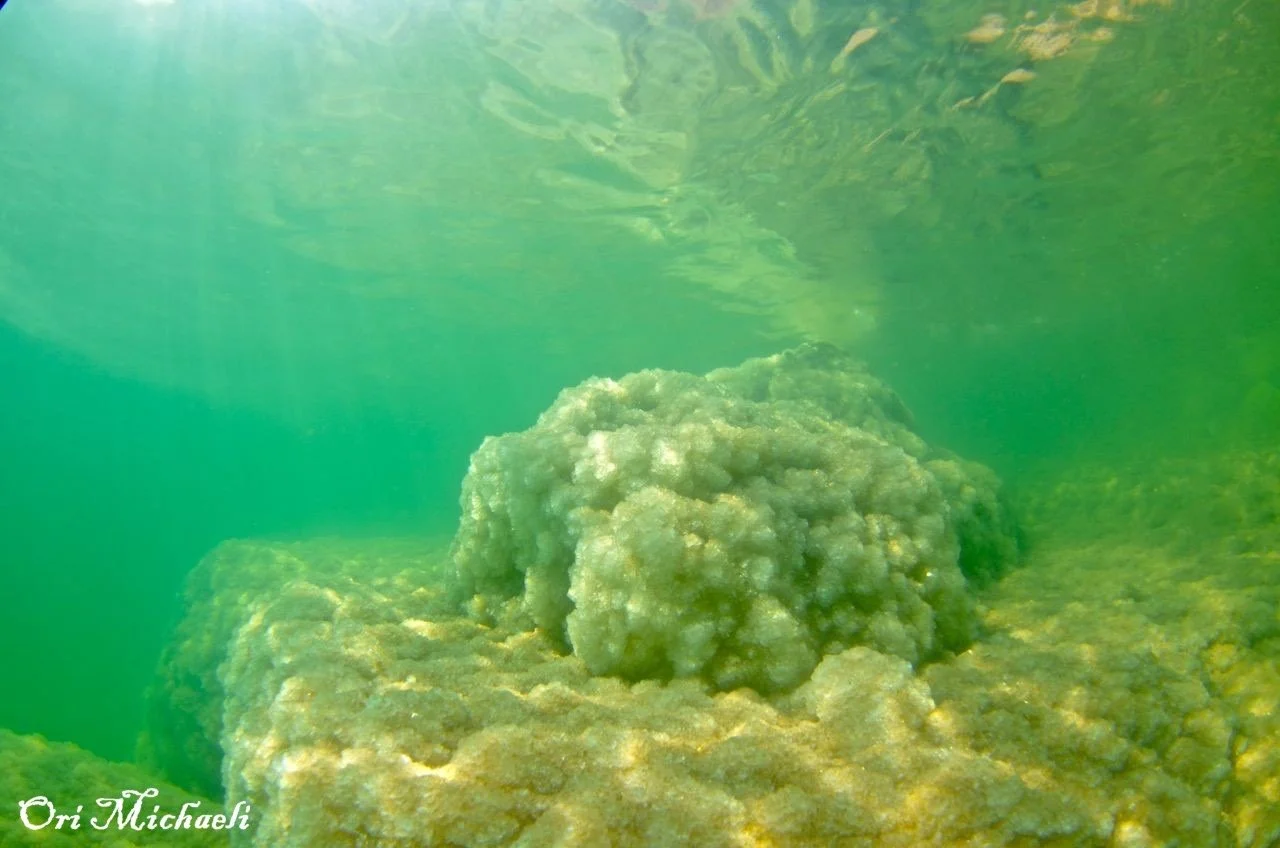
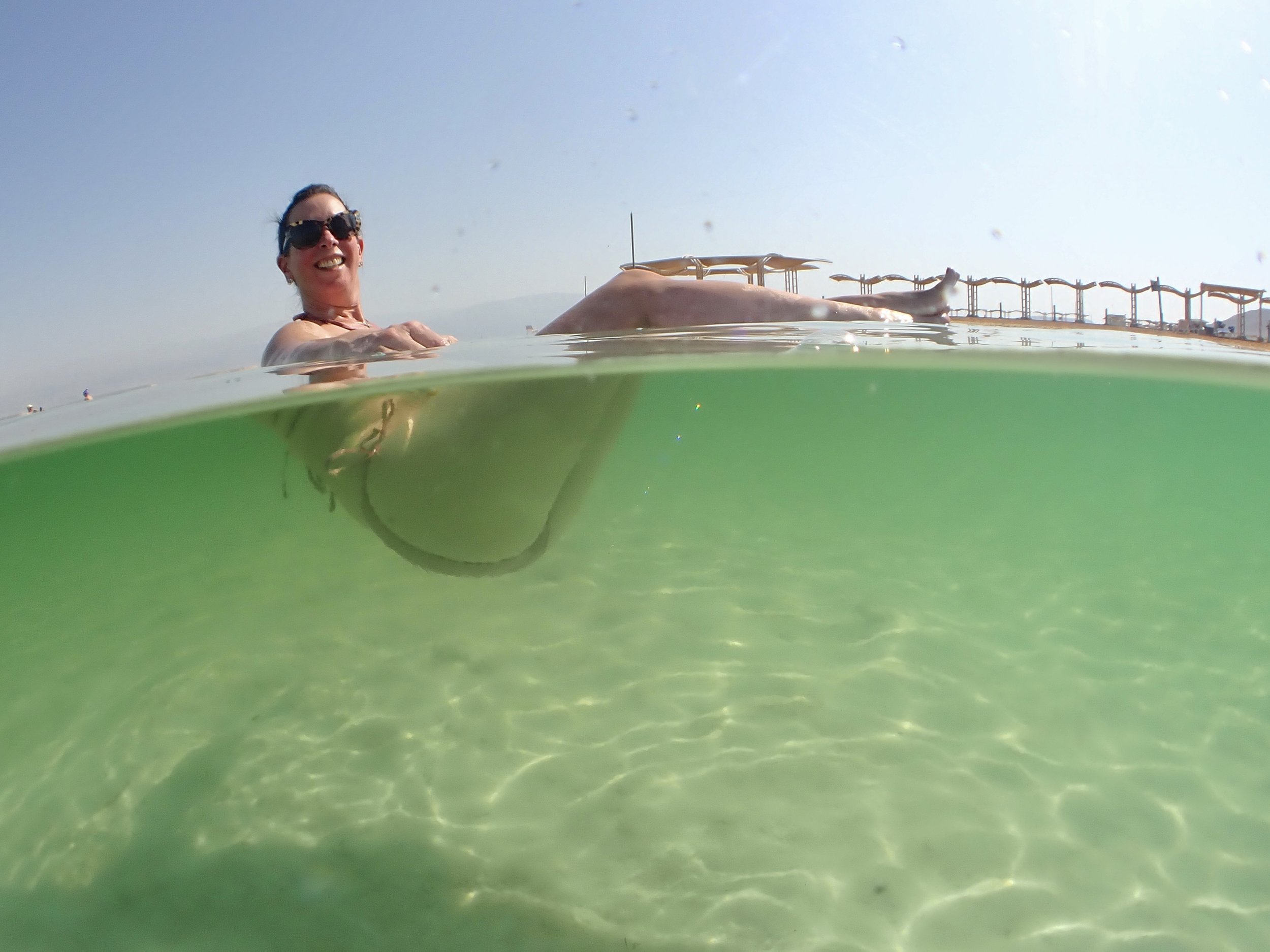
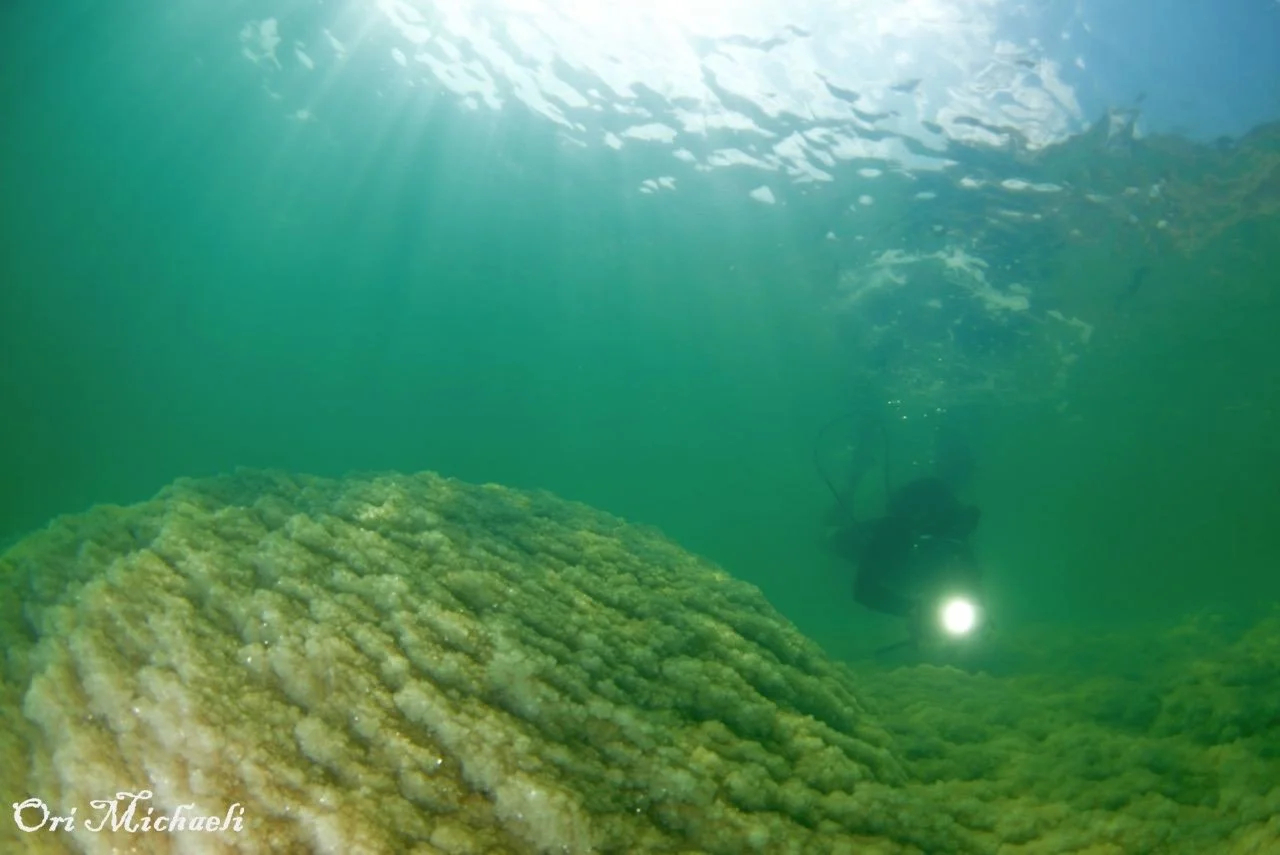
Over the years, I have organised and completed two dives in this remarkable body of water, the lowest point on Earth. With a salinity almost ten times greater than that of the ocean, diving here presents challenges found nowhere else. To descend beneath the surface requires almost twice your body weight in lead, a full-face mask to protect against the highly saline water, minimal exposure protection, and constant attention to hydration in the intense desert heat. Water temperatures ranged between 35–40°C, making it one of the warmest and most demanding dives I have experienced.
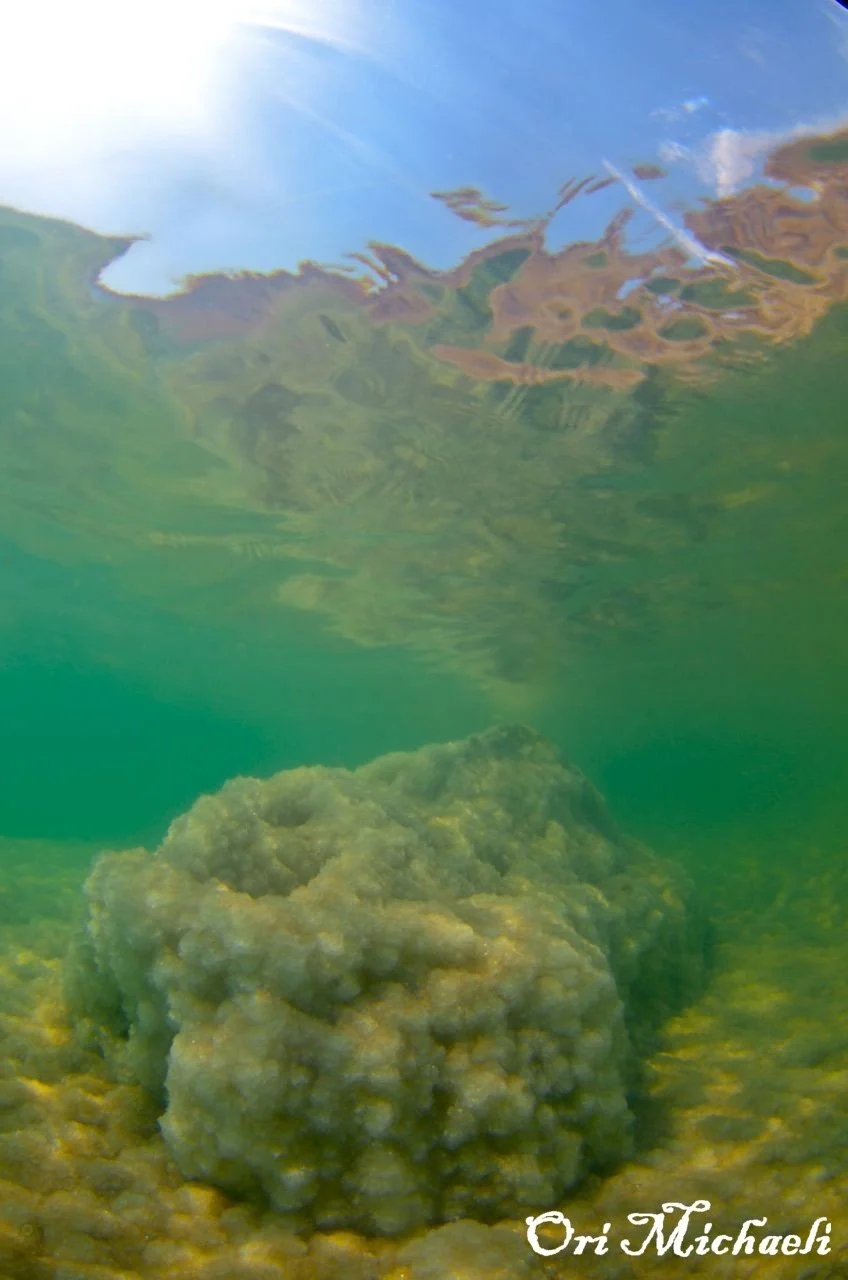
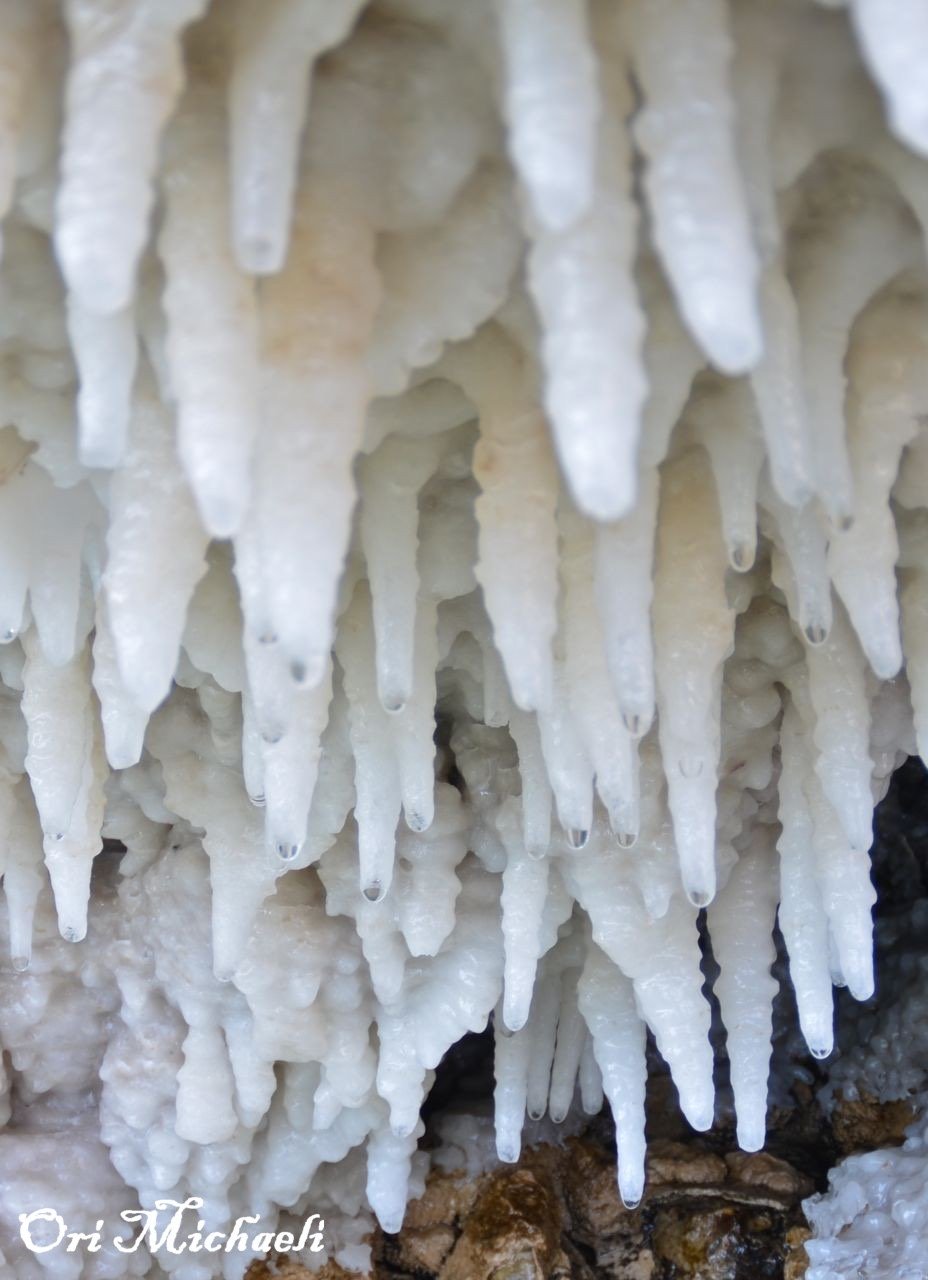
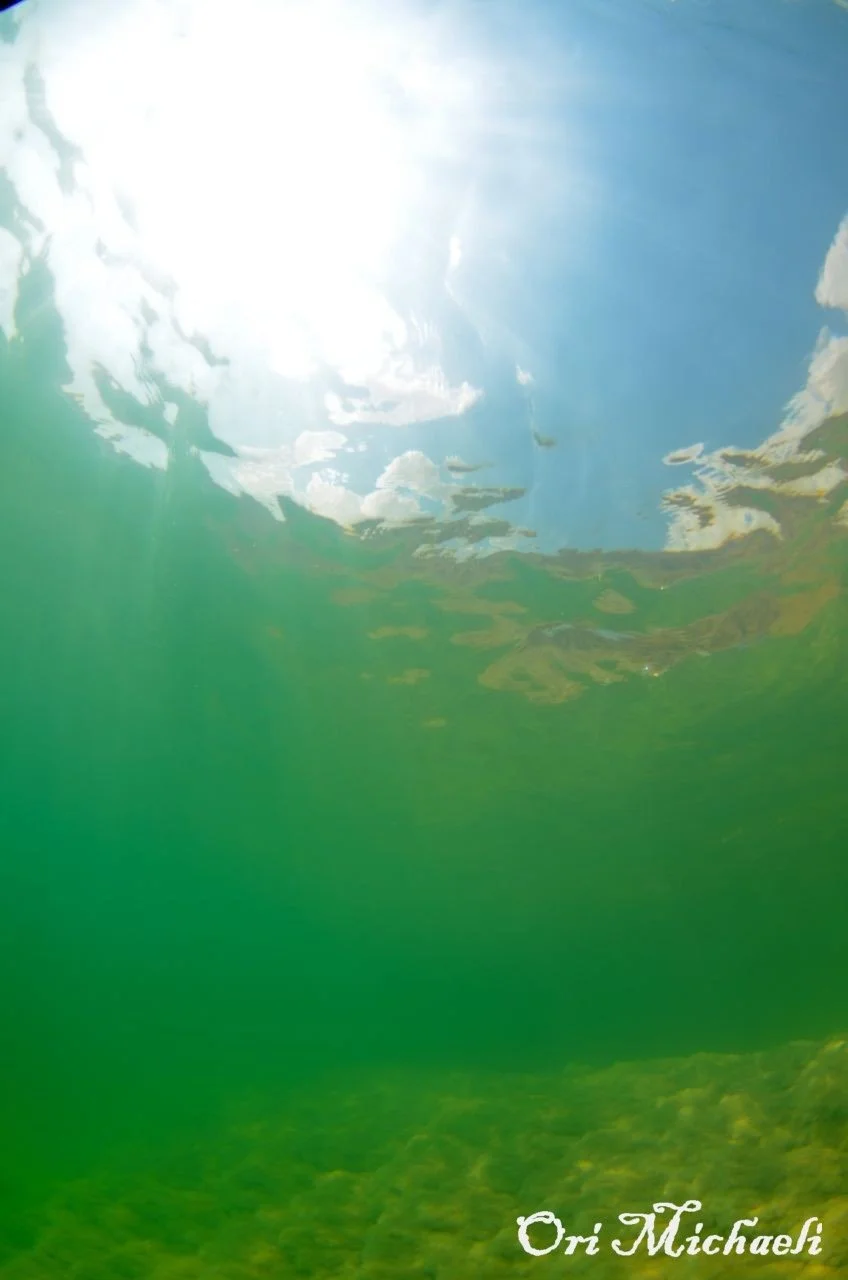
Although devoid of fish and underwater vegetation, the Dead Sea offers something equally captivating. Its crystal-clear, mineral-rich waters, surreal salt formations, and dramatic desert landscape create an underwater experience unlike any other. Combined with the rich history and timeless beauty of the surrounding region, it is a destination that leaves a lasting impression.
This gallery captures one of the world’s most extreme diving environments—a place where science, history, geology, and adventure come together beneath the surface.
Durdle Door, Dorset, UK 🇬🇧
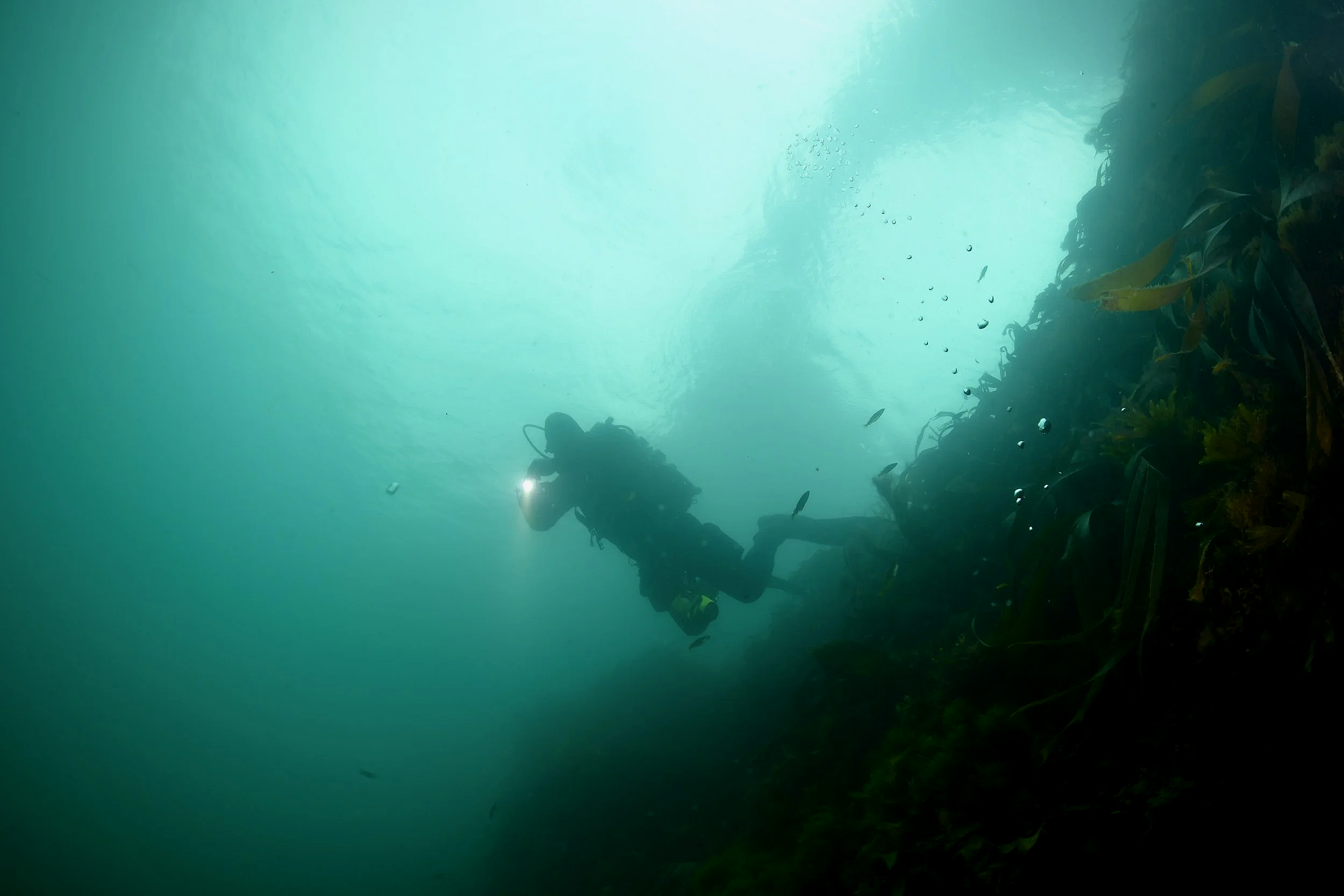
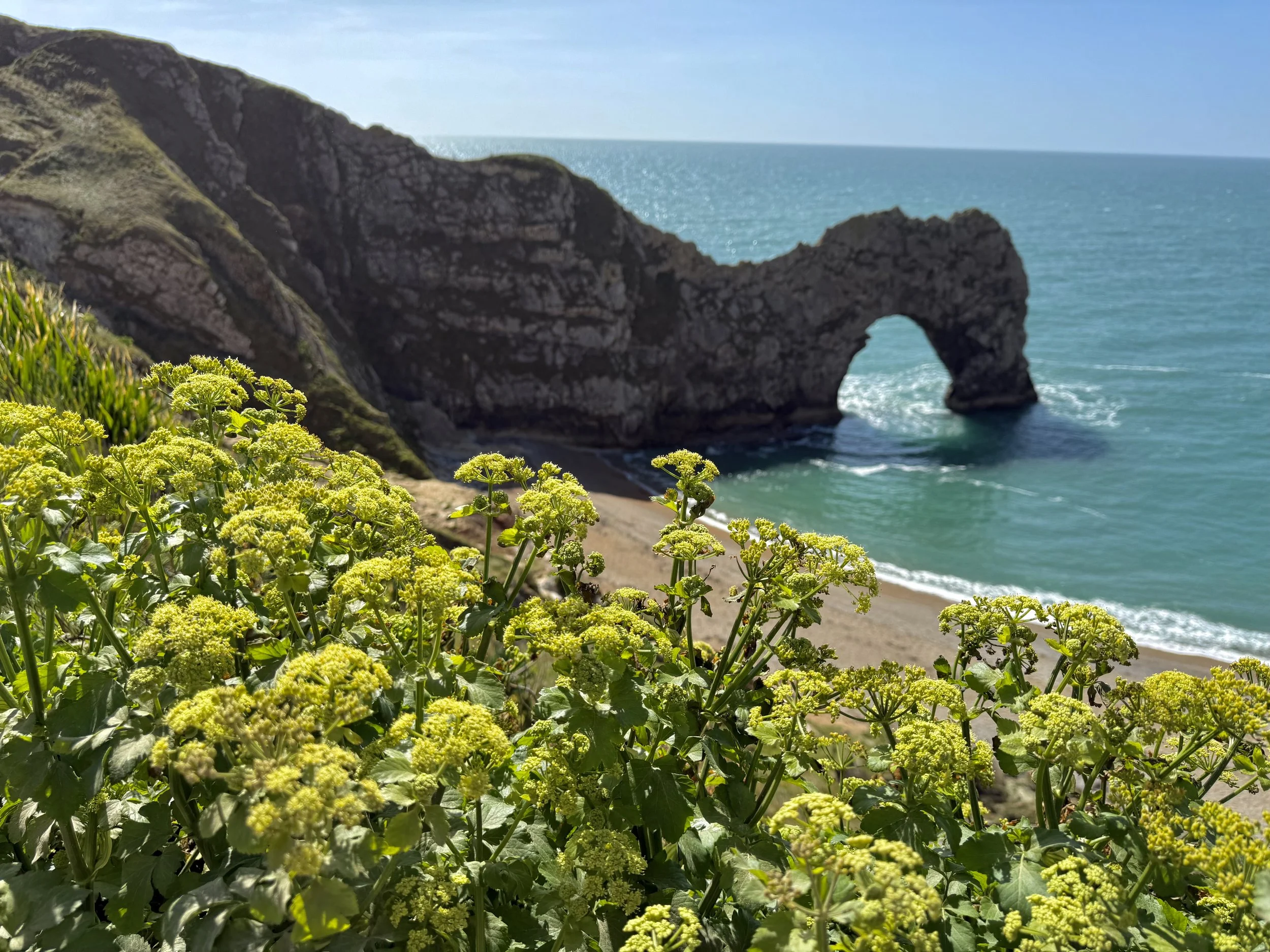
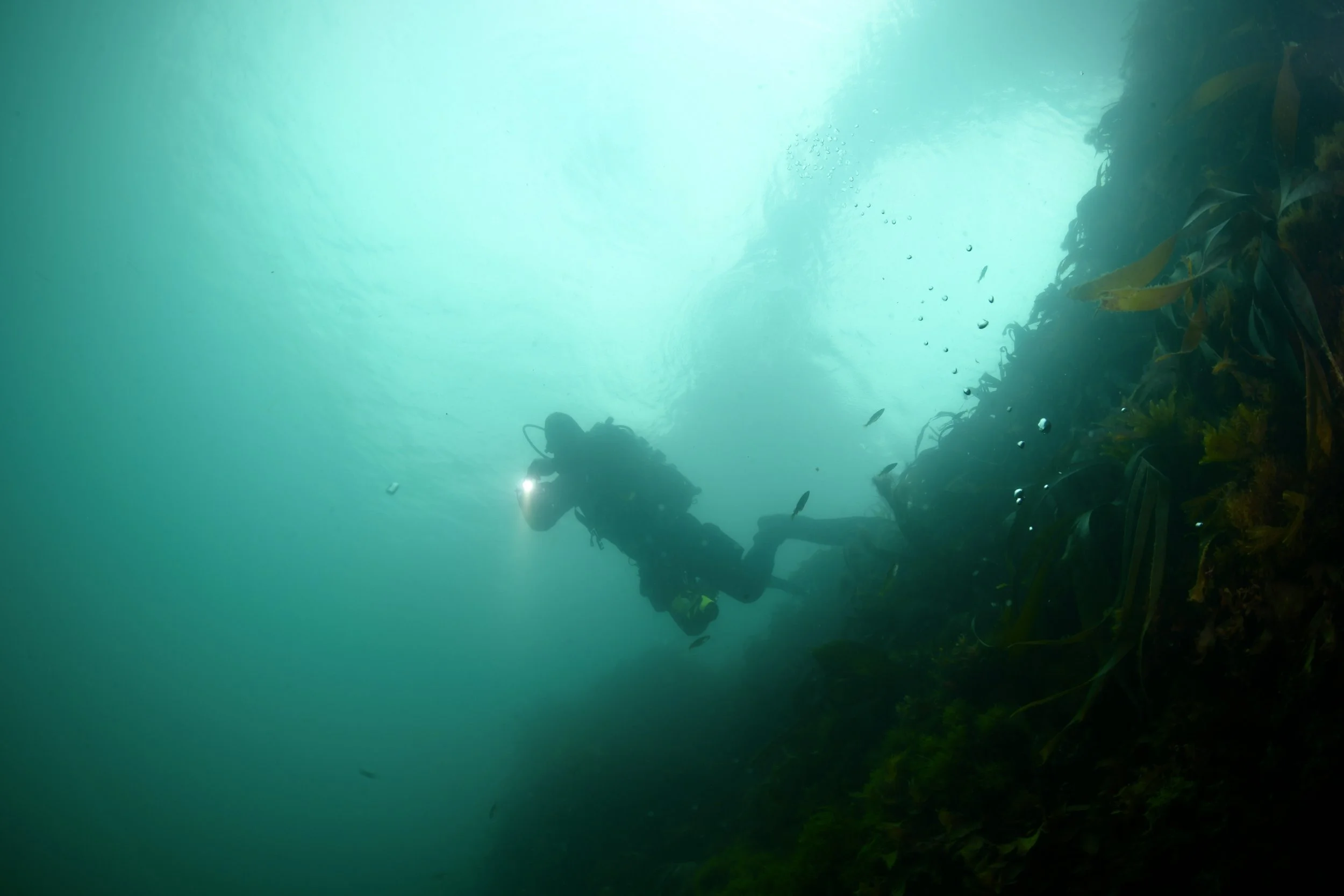
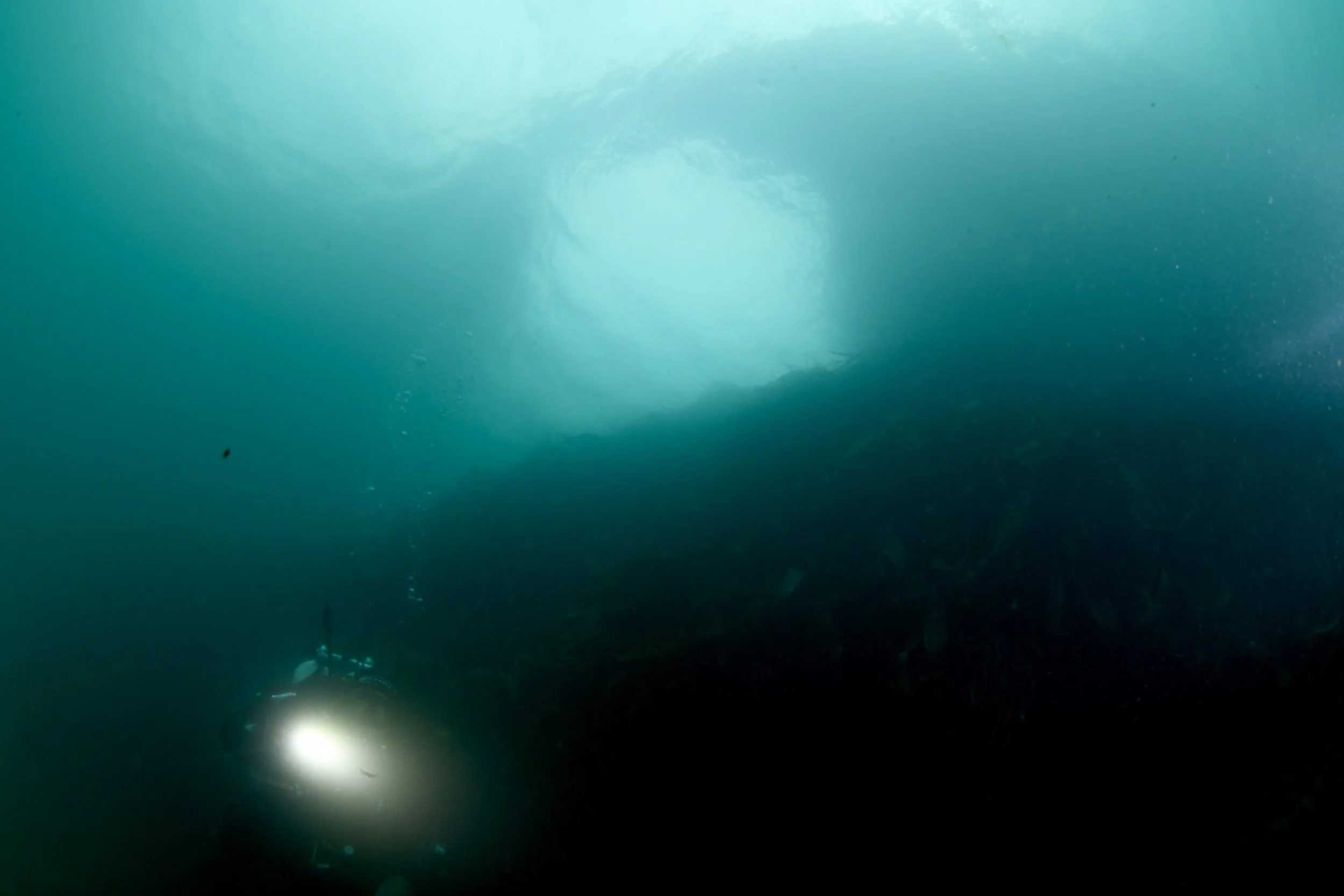
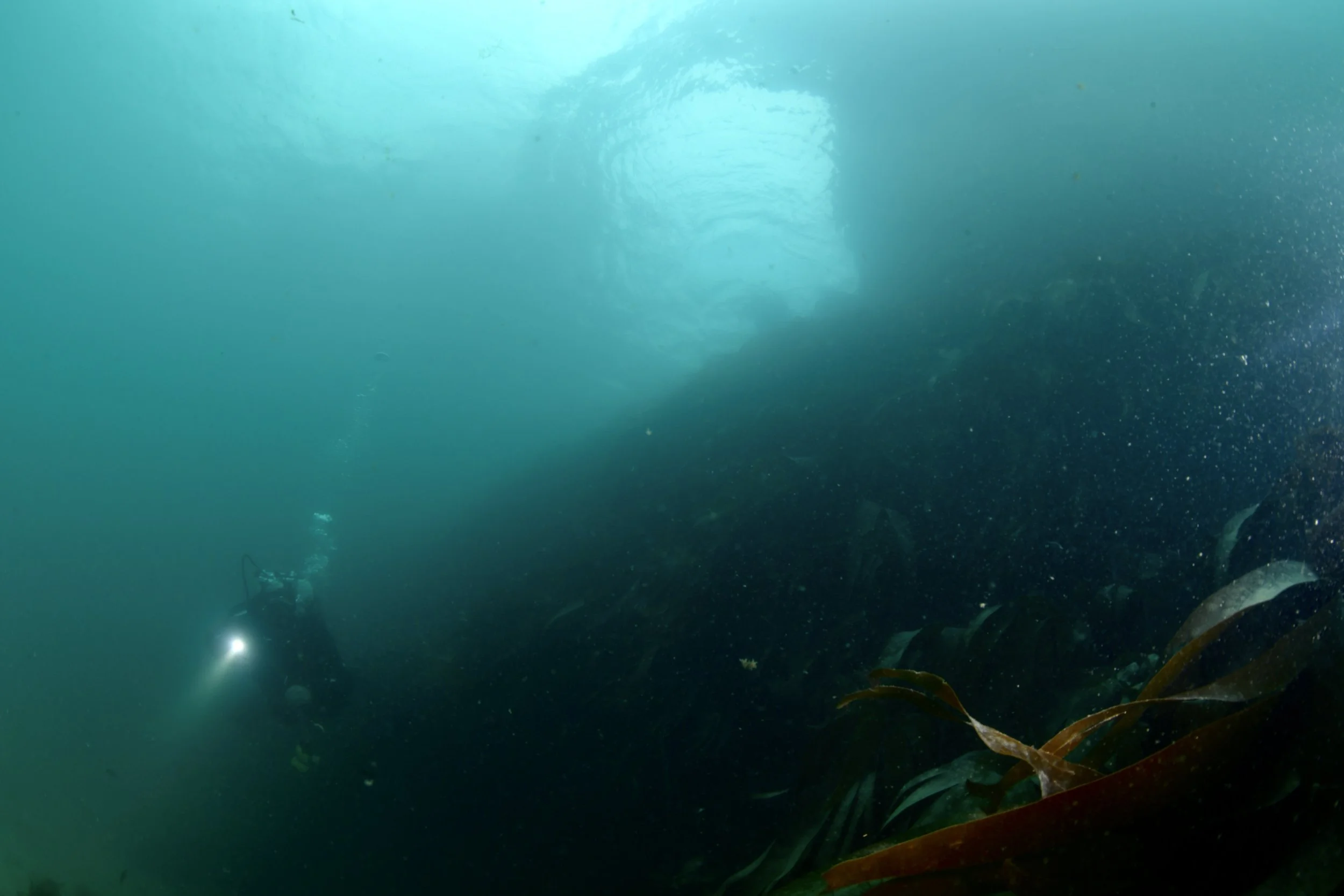
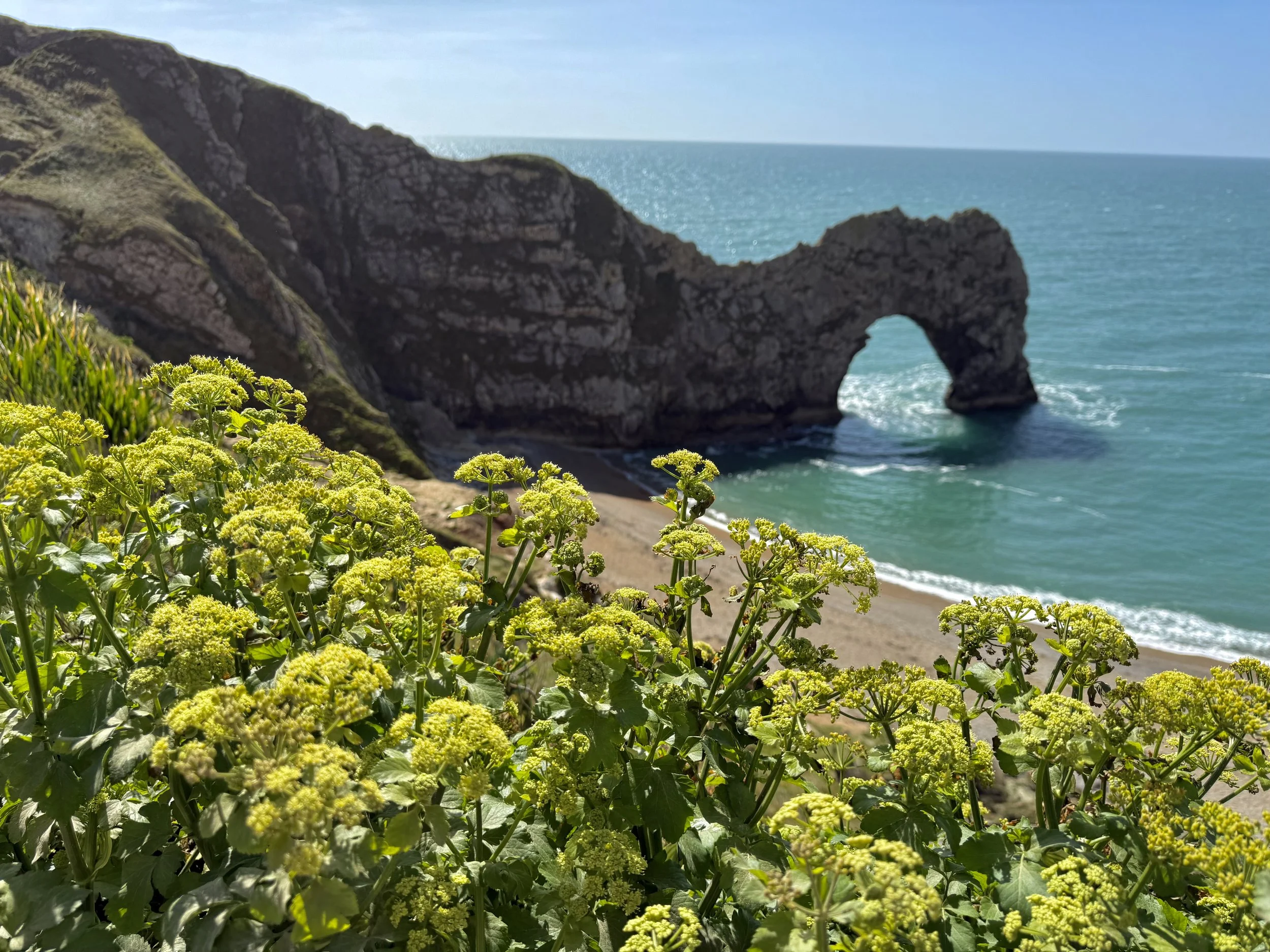
Few places along the British coastline are as iconic as Durdle Door. Famous for its magnificent natural limestone arch, this spectacular location is just as breathtaking beneath the surface as it is above.
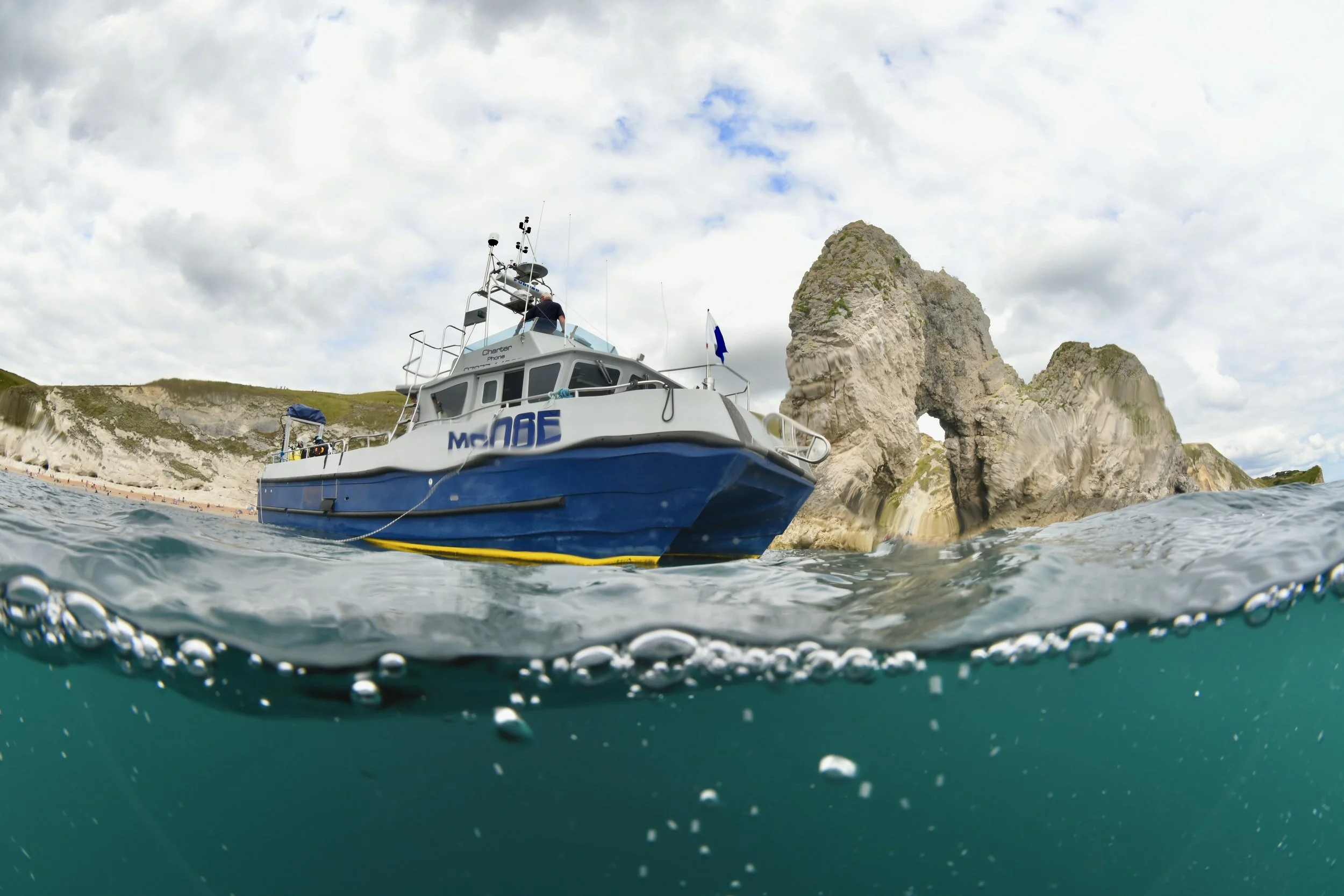
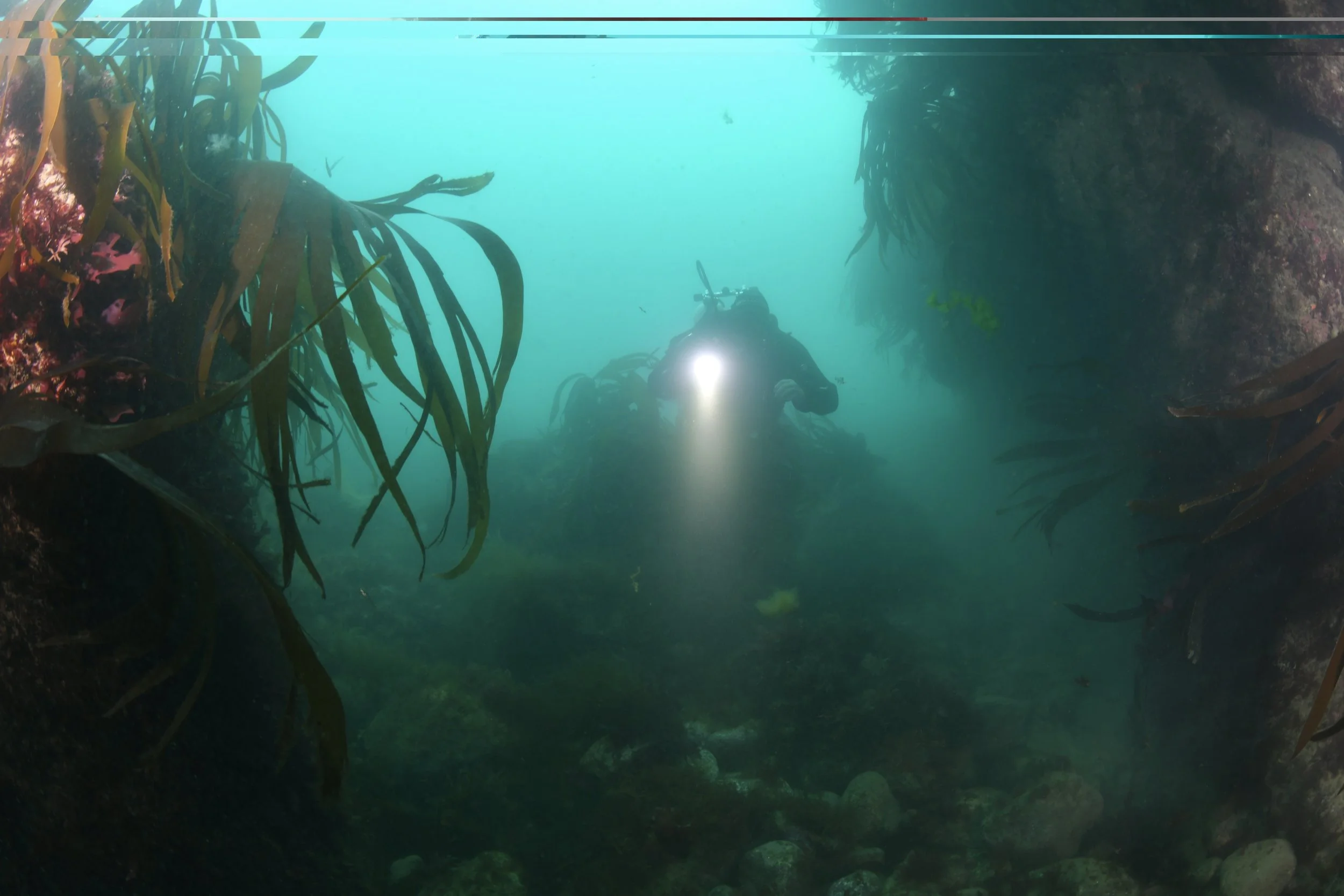
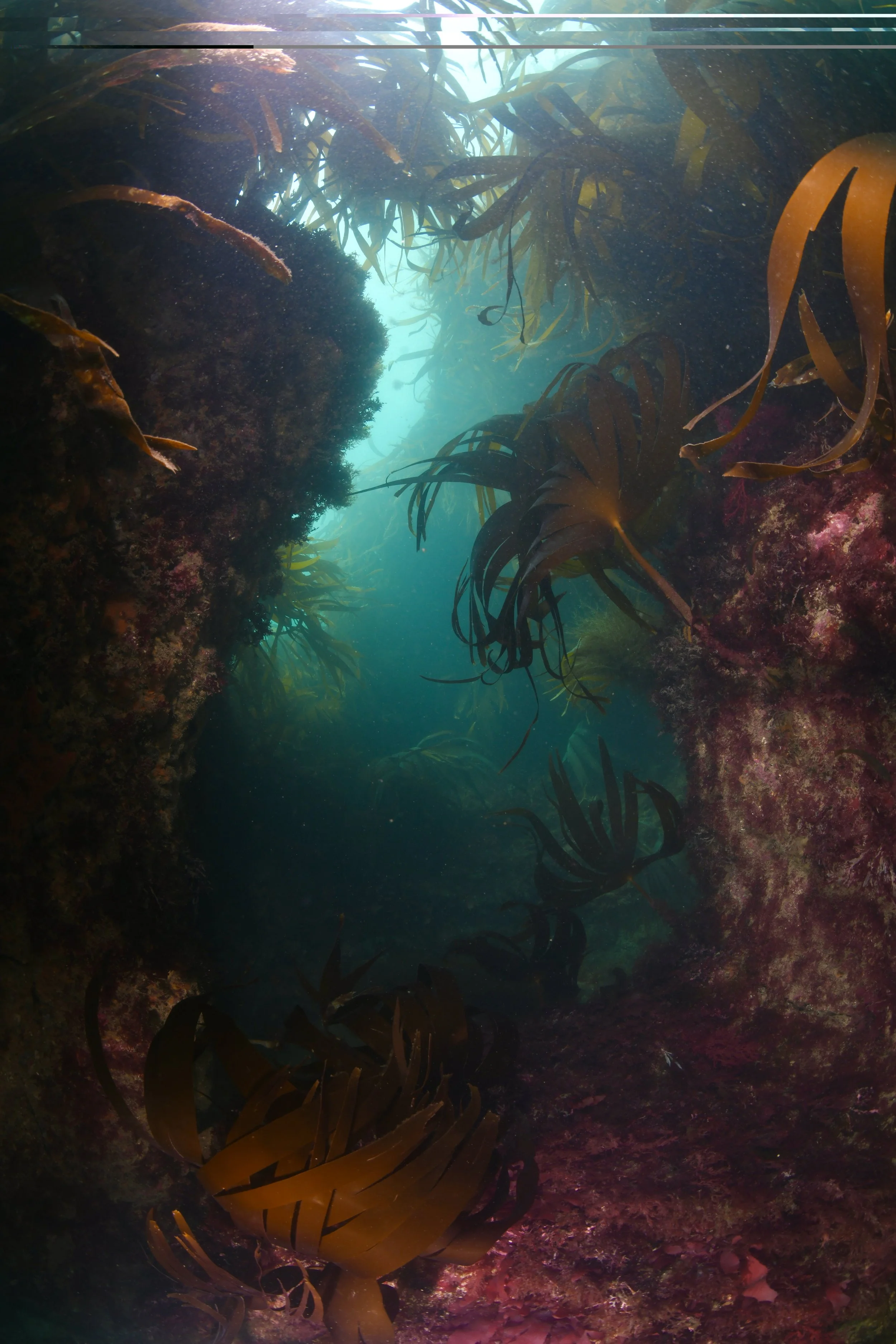
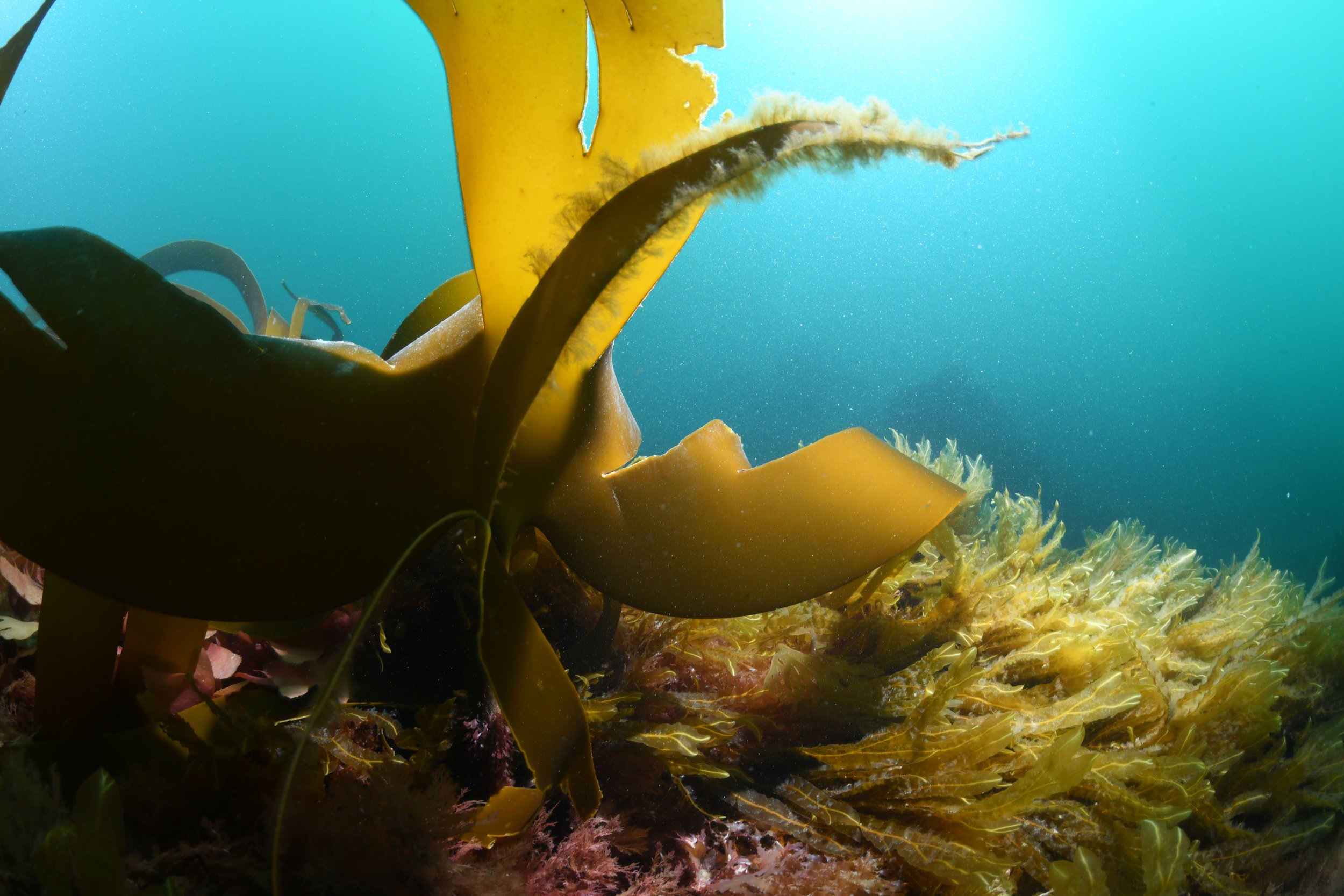
Living in Dorset, only a few miles from this remarkable site, has given me the privilege of exploring it frequently in every season. Beneath the waves, the arch creates a dramatic underwater landscape, while extensive kelp forests provide shelter for a rich variety of fish and marine life. Hidden among the rocks are small caves, gullies, and swim-throughs, making every dive a rewarding experience with something new to discover.
Whether admired from the cliffs above or explored beneath the sea, Durdle Door is a place where geology, marine life, and natural beauty come together in perfect harmony. It remains one of my favourite local dive sites and a constant reminder that some of the world’s most extraordinary underwater landscapes can be found right on our doorstep.
The Straits of Gibraltar 🇬🇮
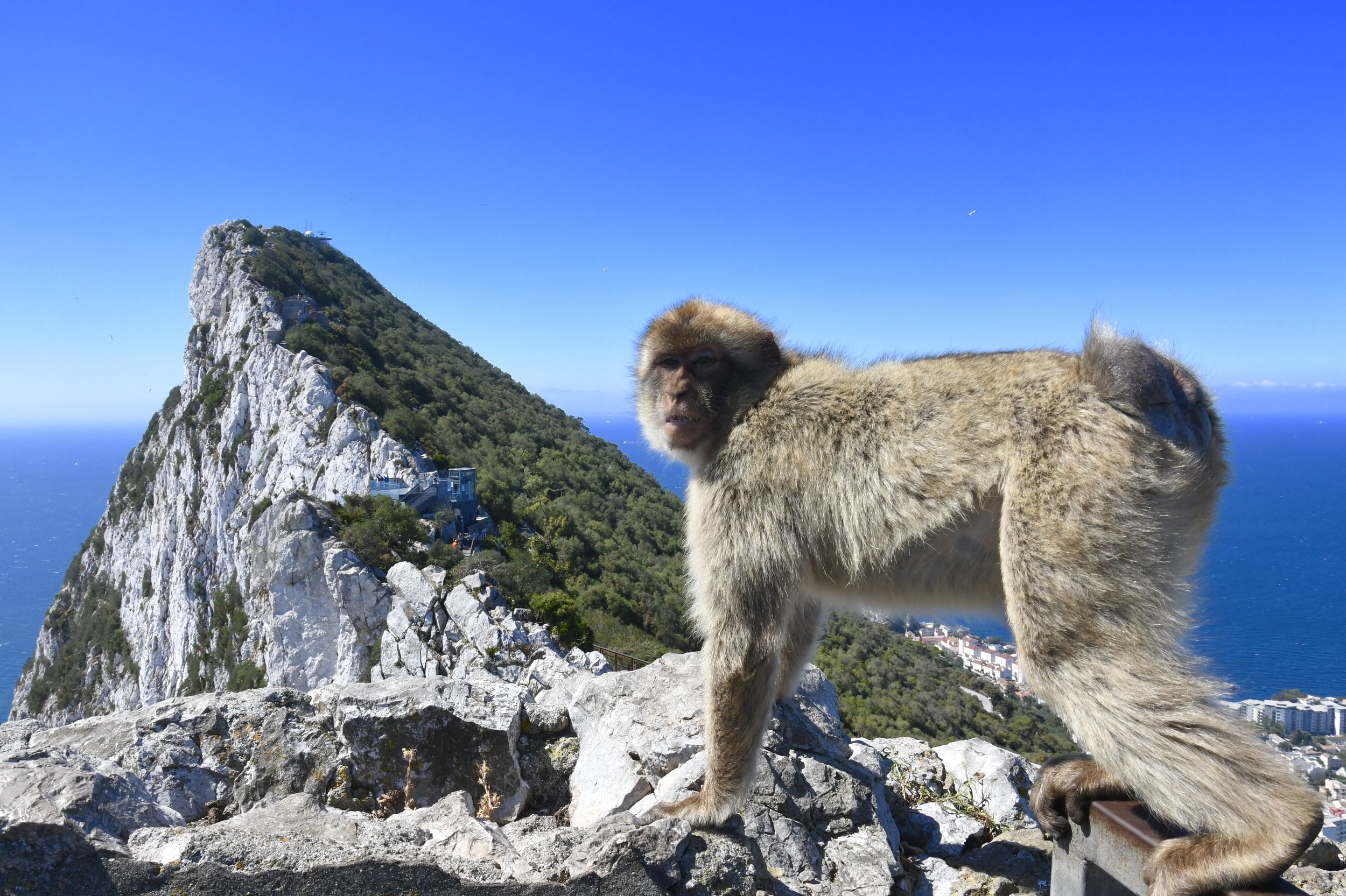
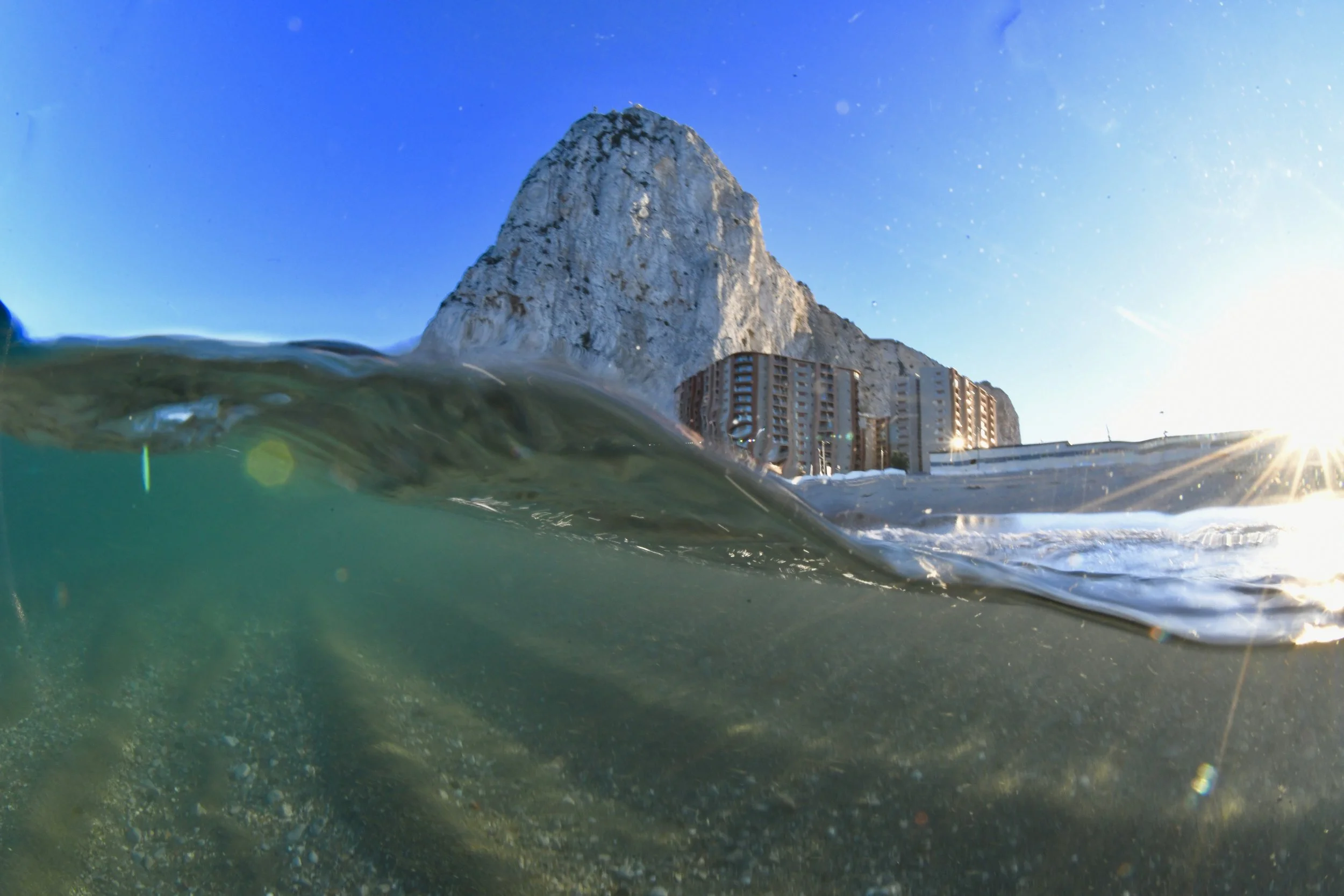
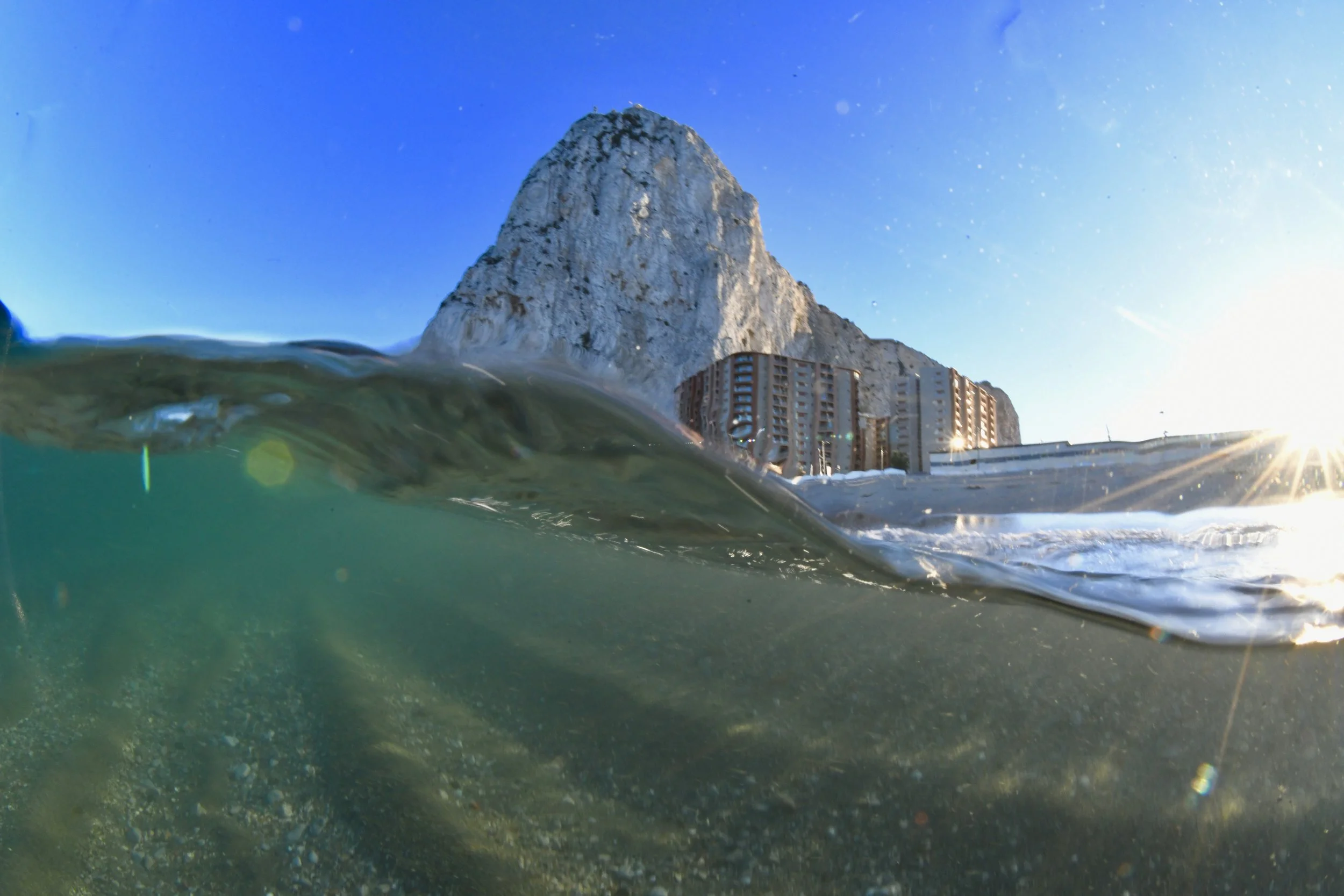
The Strait of Gibraltar, the narrow gateway between the Atlantic Ocean and the Mediterranean Sea, is one of the world’s most iconic and historically significant waterways. For thousands of years, it has served as a crossroads of civilizations, trade, exploration, and strategic control. Dominated by the imposing Rock of Gibraltar, this remarkable landscape is instantly recognisable and rich in both natural beauty and history.
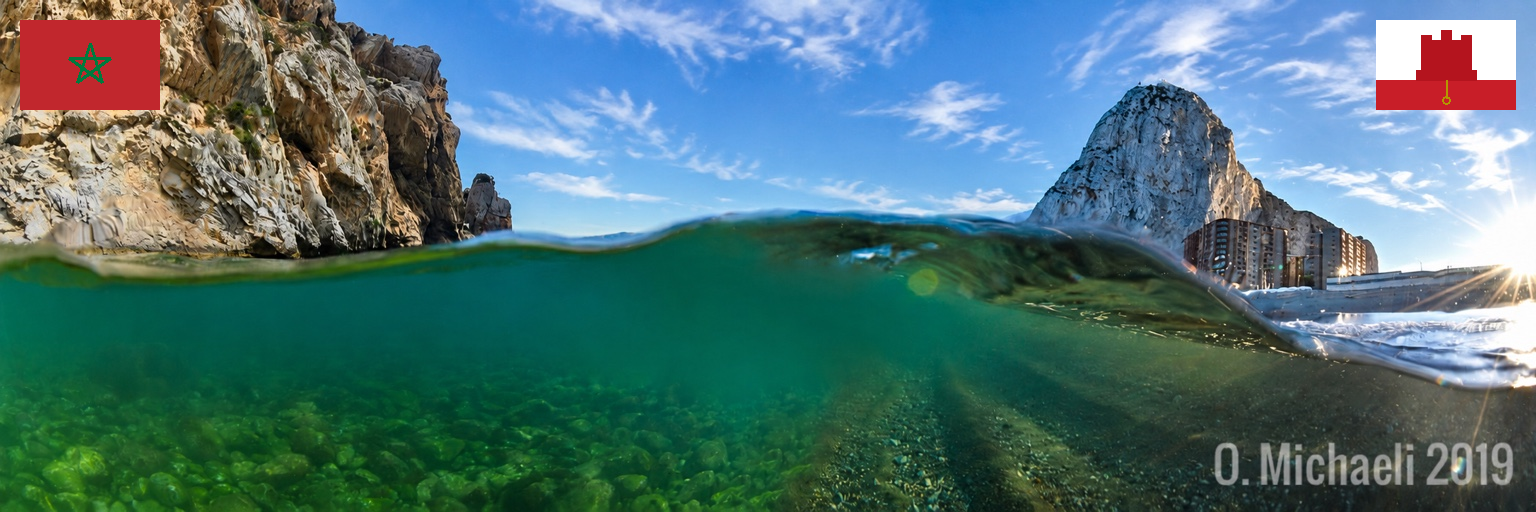
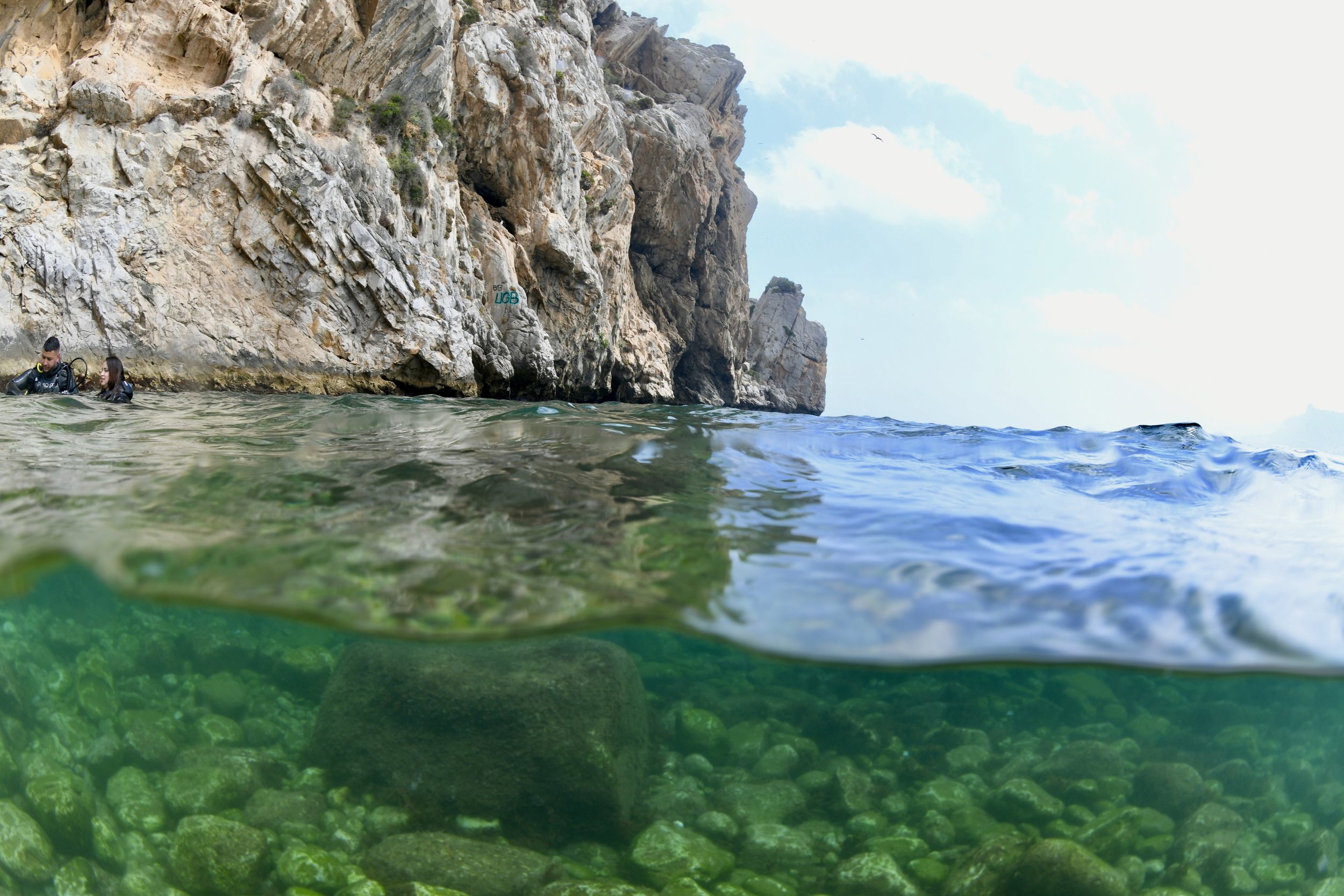
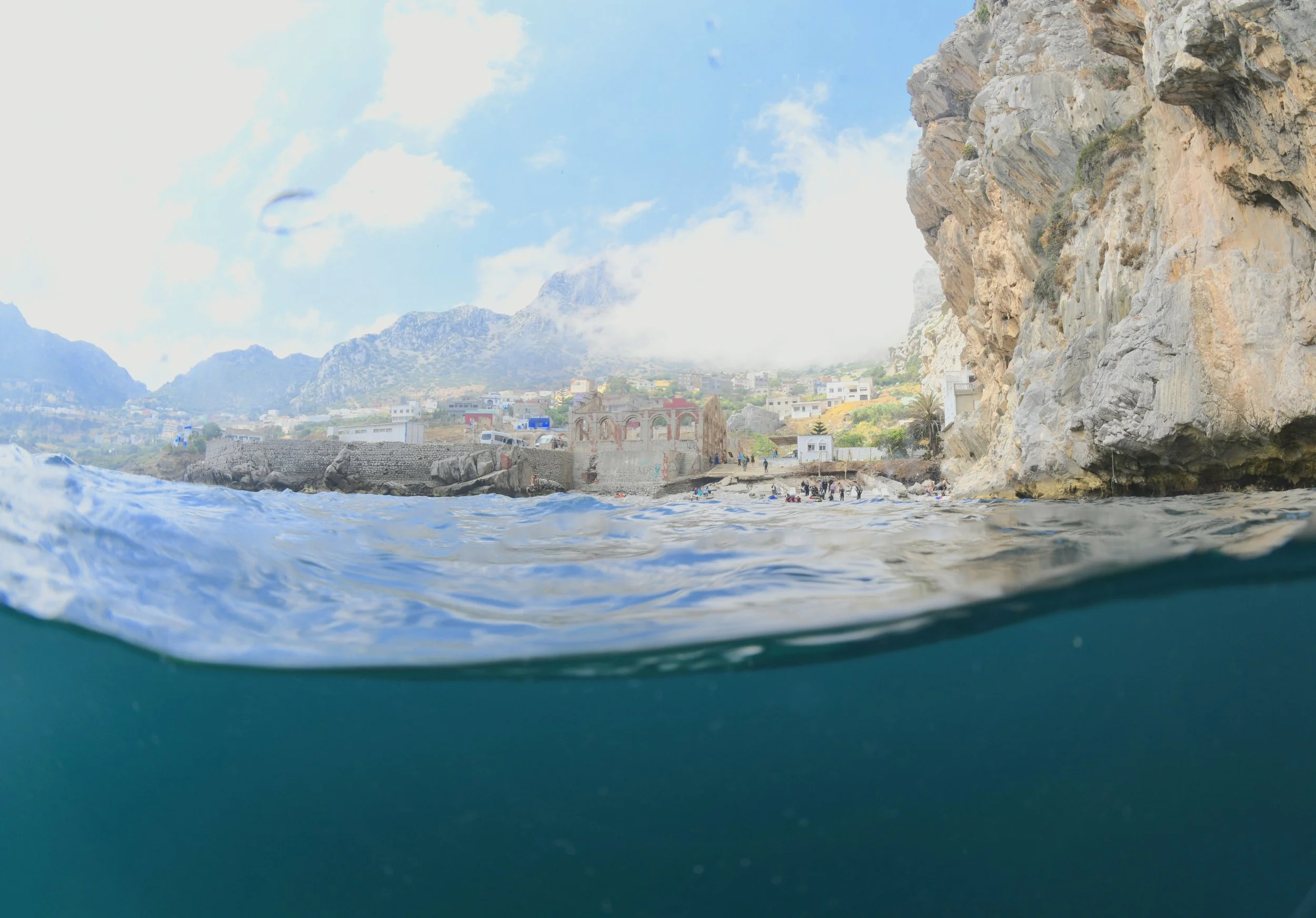
One of my personal photographic ambitions was to capture the Strait in a way that had never been attempted before. Rather than photographing it from a single location, I travelled to both shores—first to Gibraltar, where I created a split-level image overlooking the Rock, and then crossed to the Moroccan coastline to produce a matching image from the opposite side. The two photographs were carefully stitched together to create the illusion that the European and African coastlines exist within a single frame, separated only by the waters of the Strait.
This unique composition is more than a photograph; it is a visual representation of two continents connected by one of the world’s most famous stretches of water. It reflects not only the beauty of this extraordinary place but also the creativity, planning, and determination required to transform an idea into reality.
Silfra, Iceland 🇮🇸
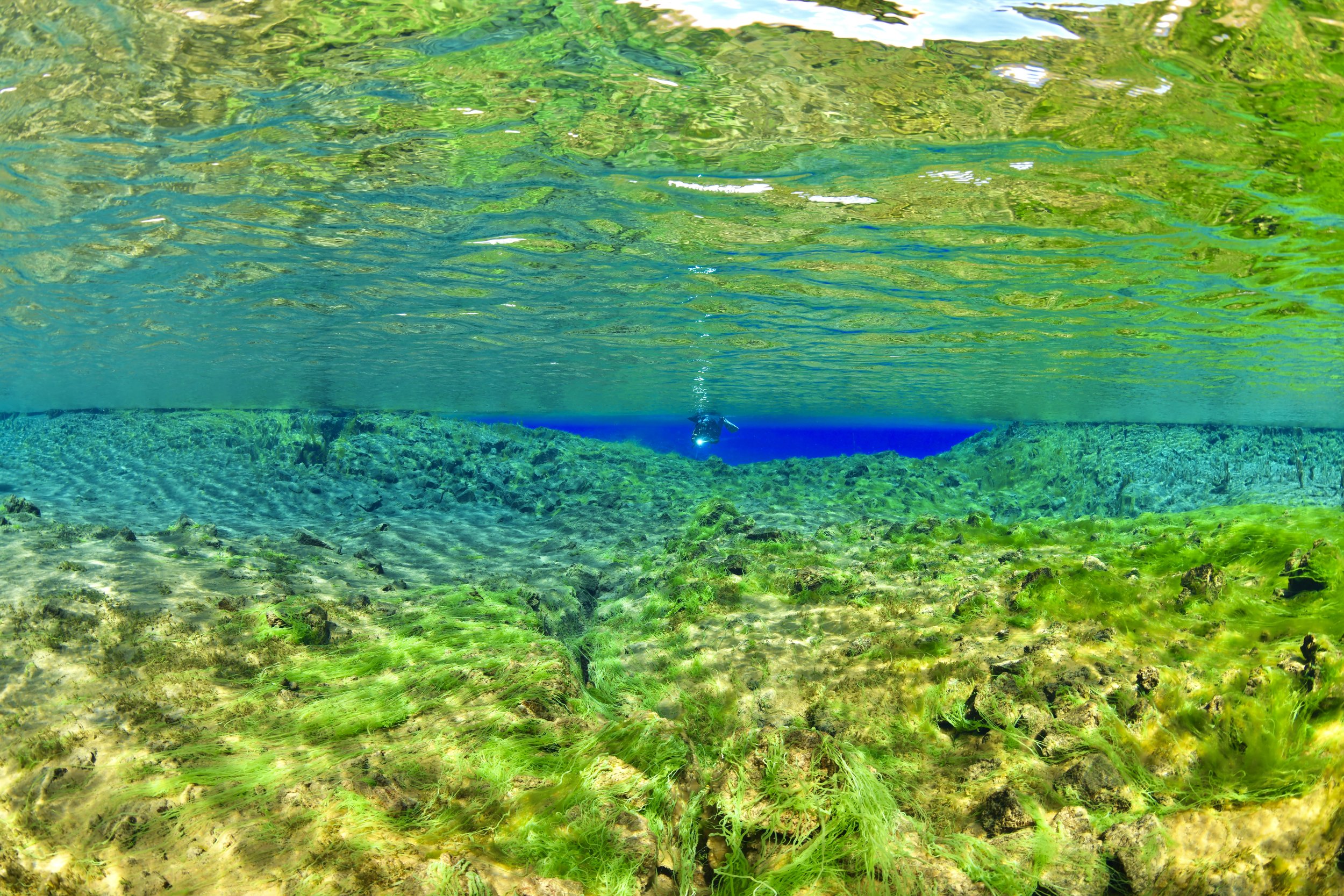
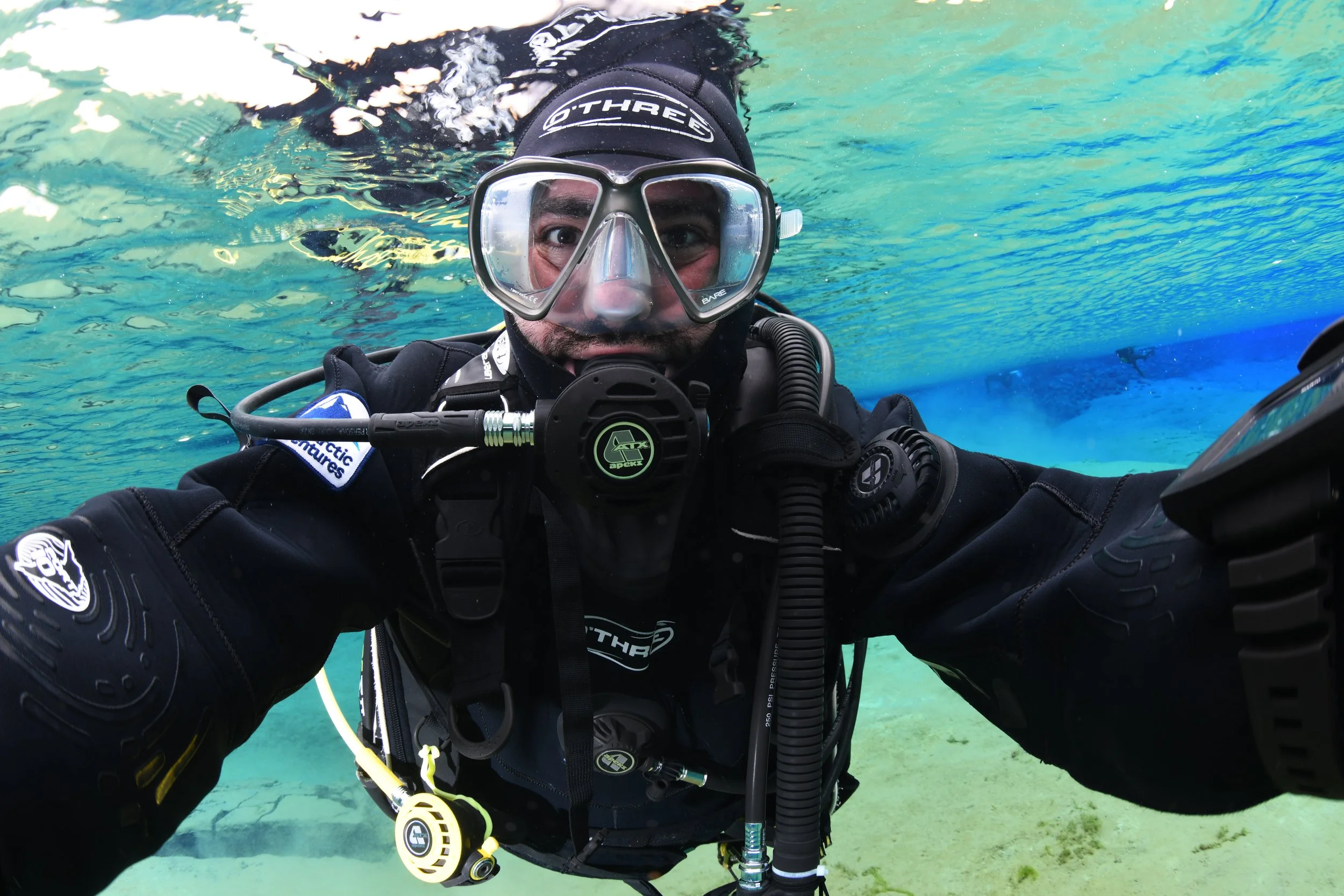
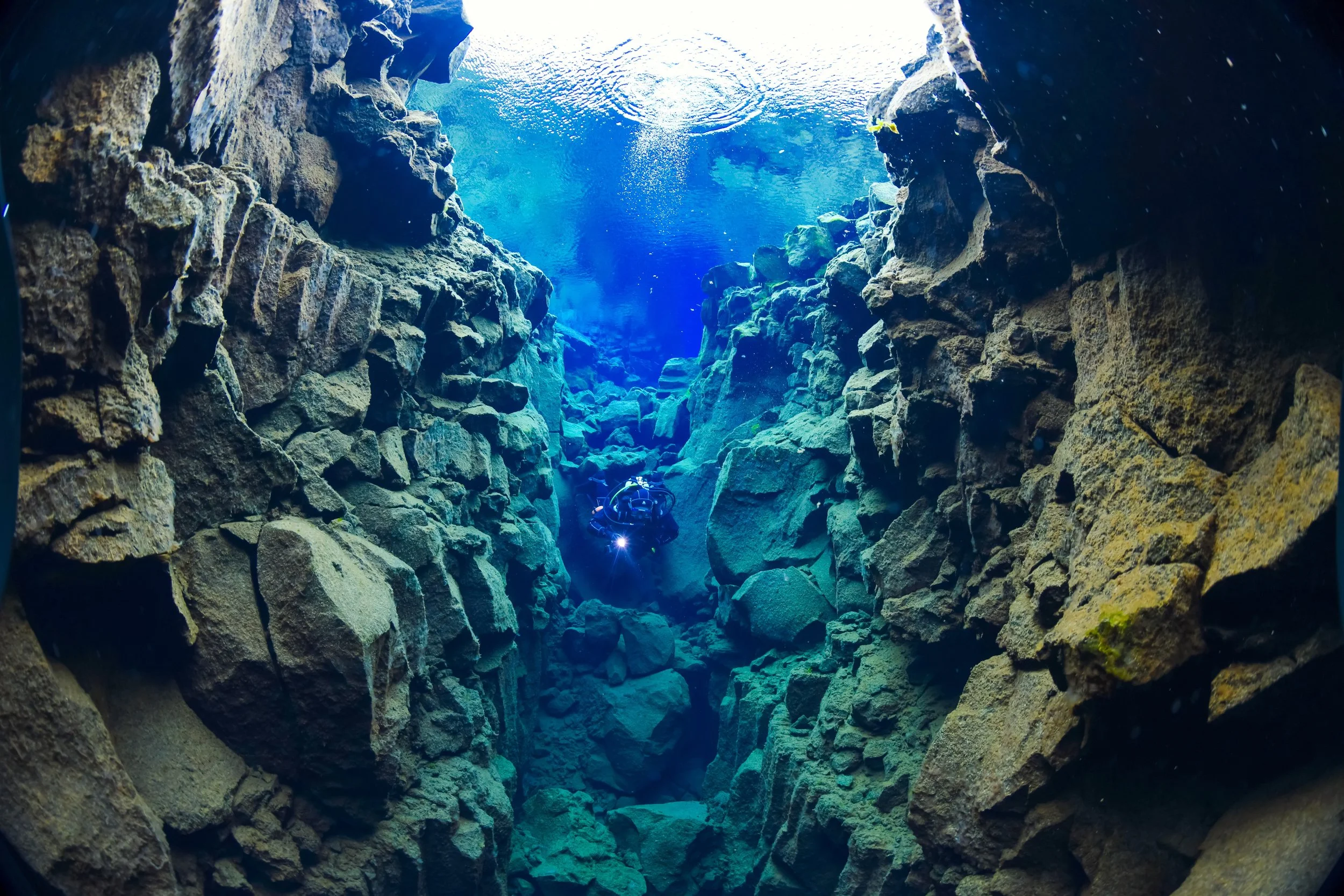
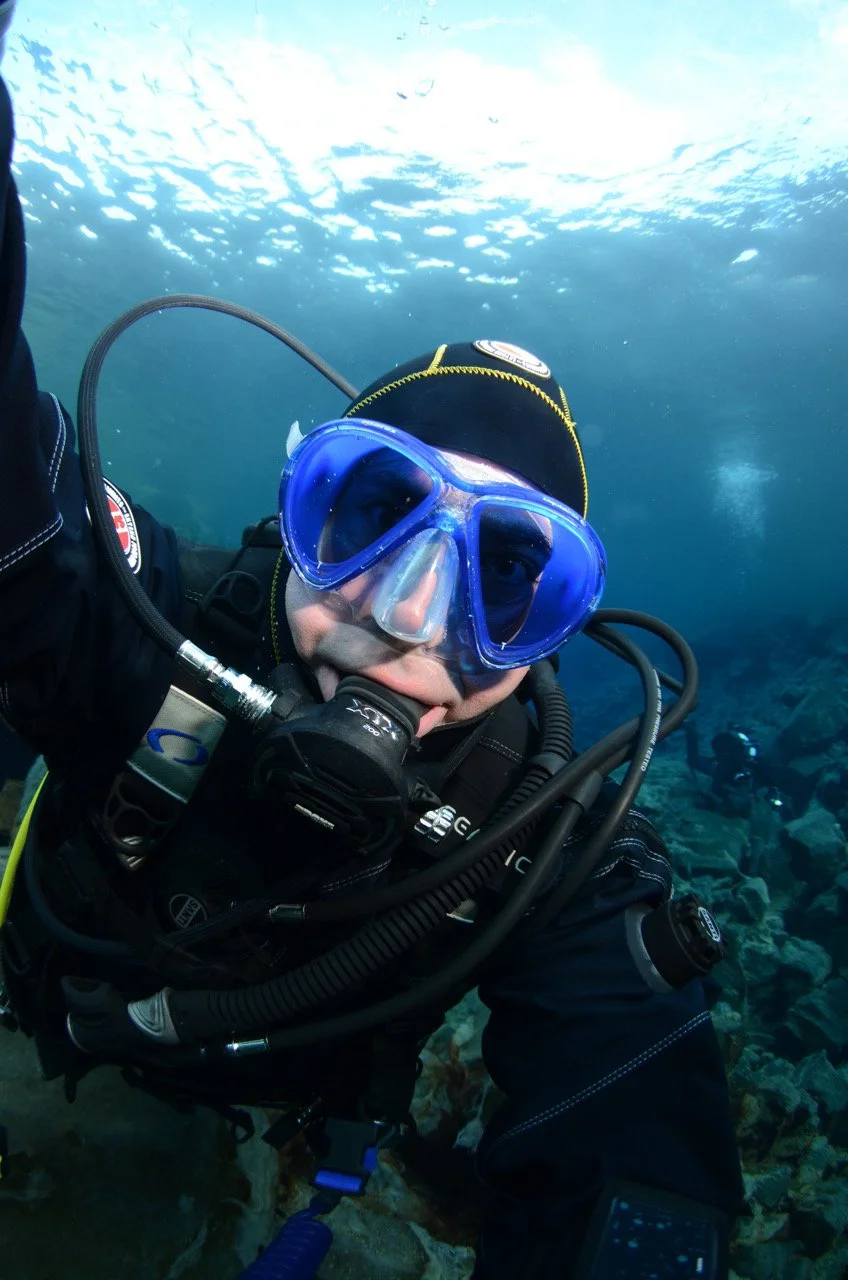
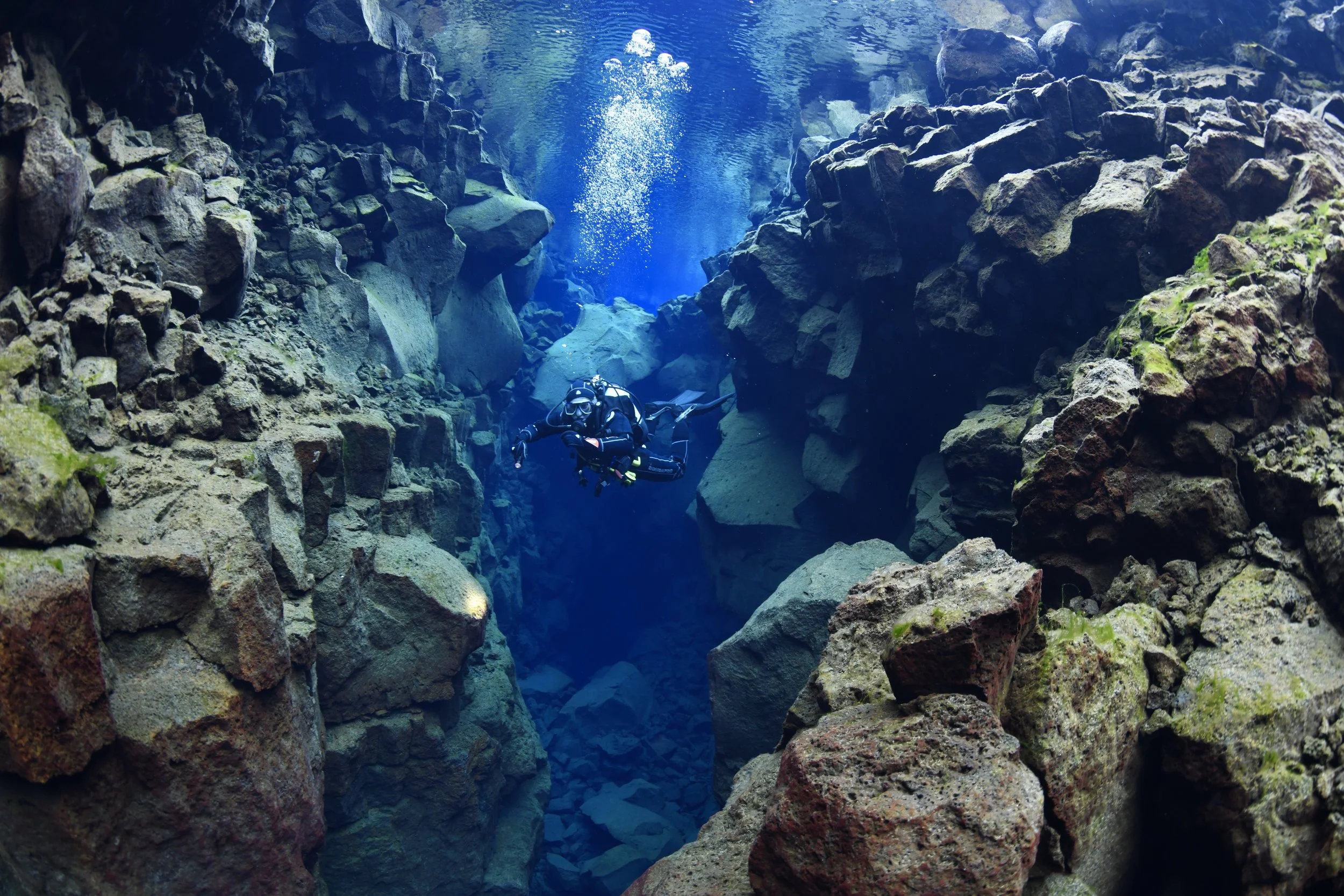
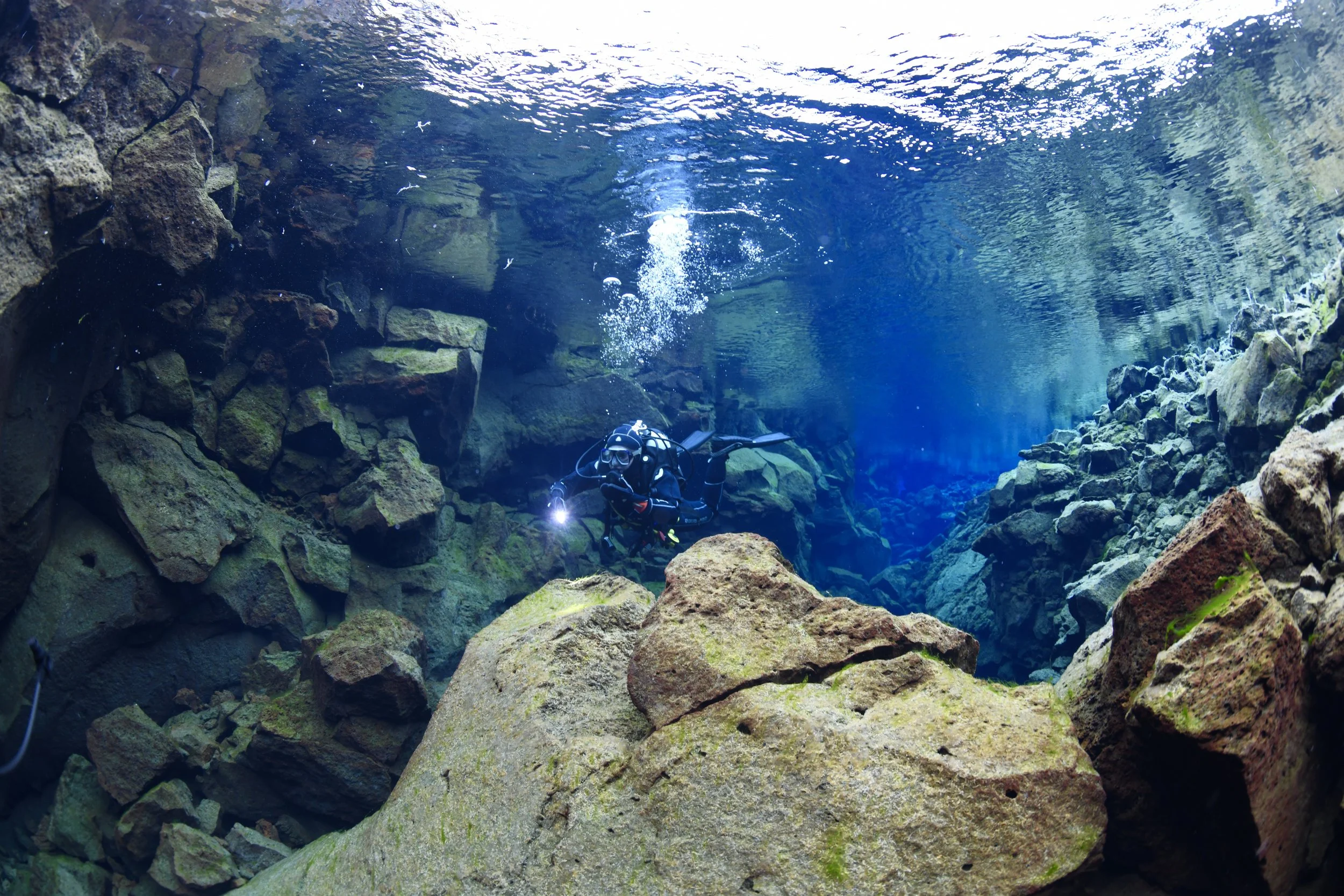
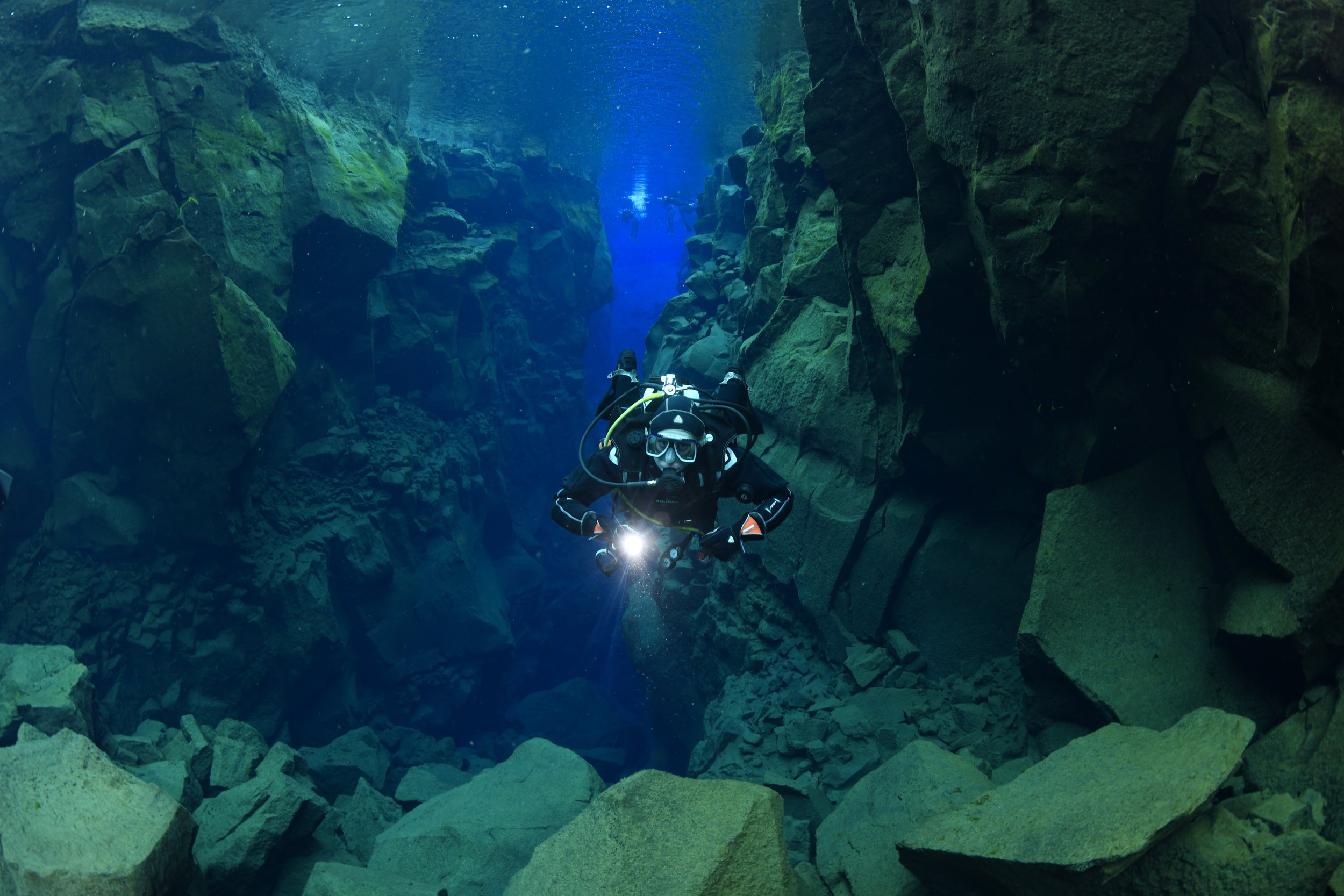
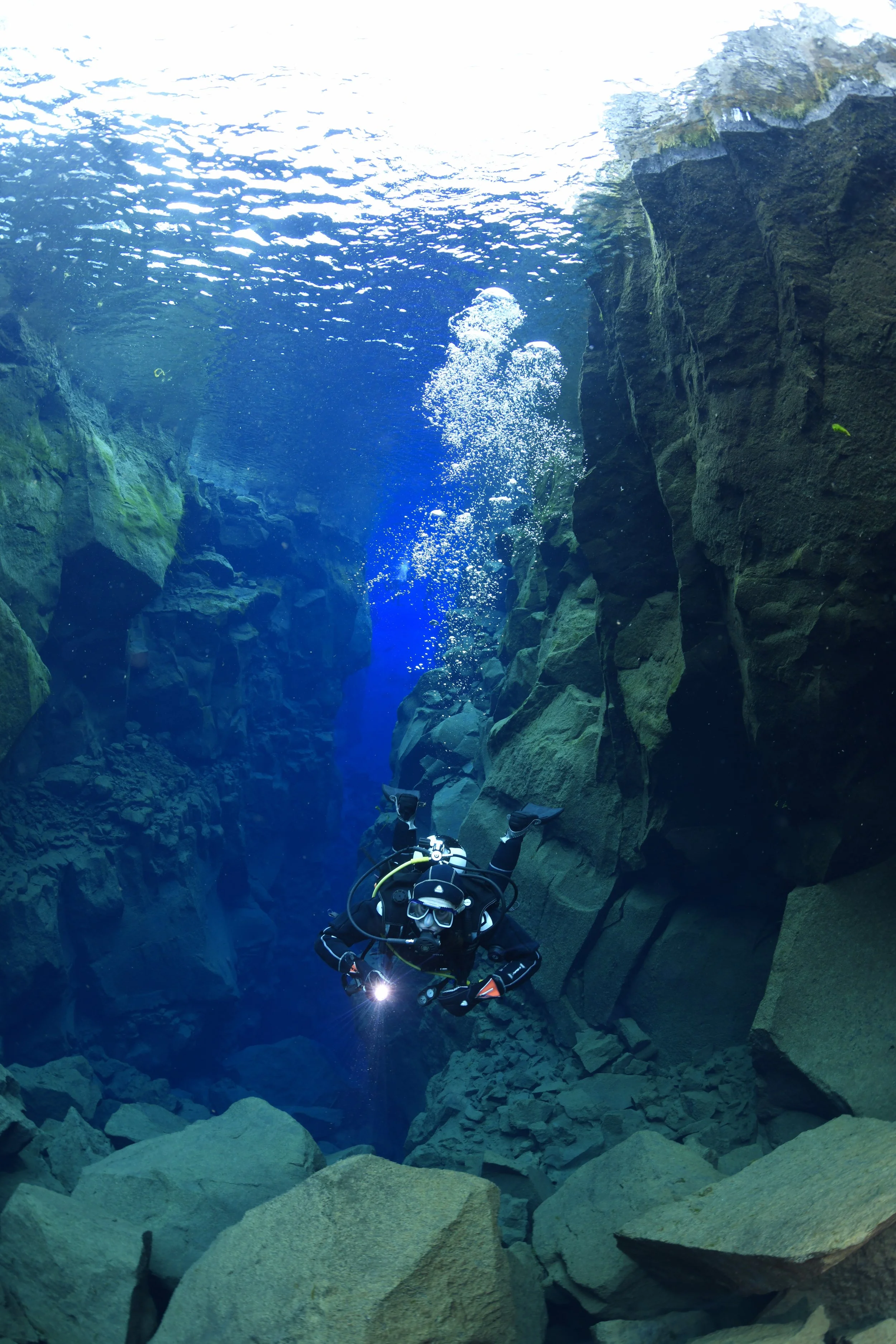
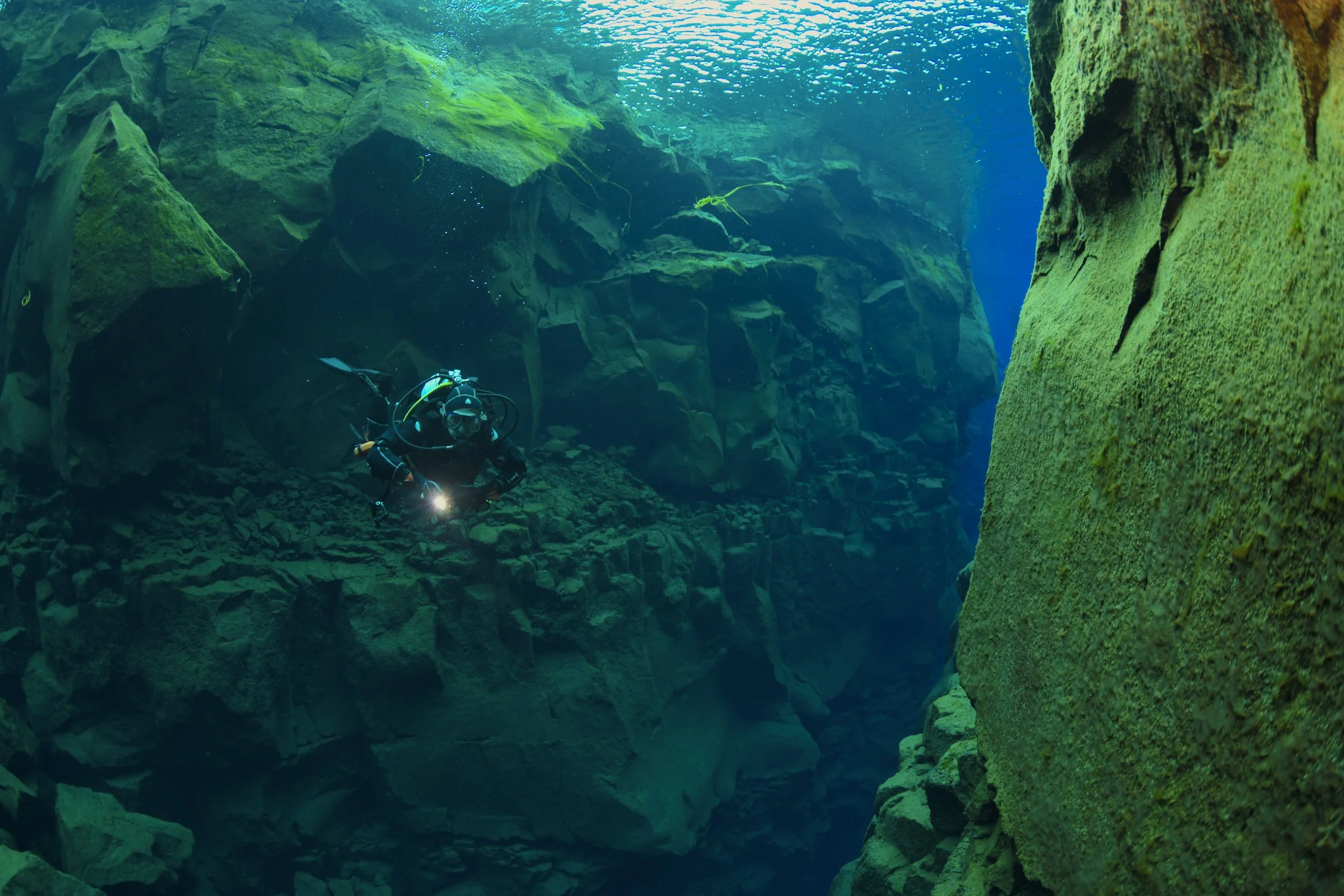
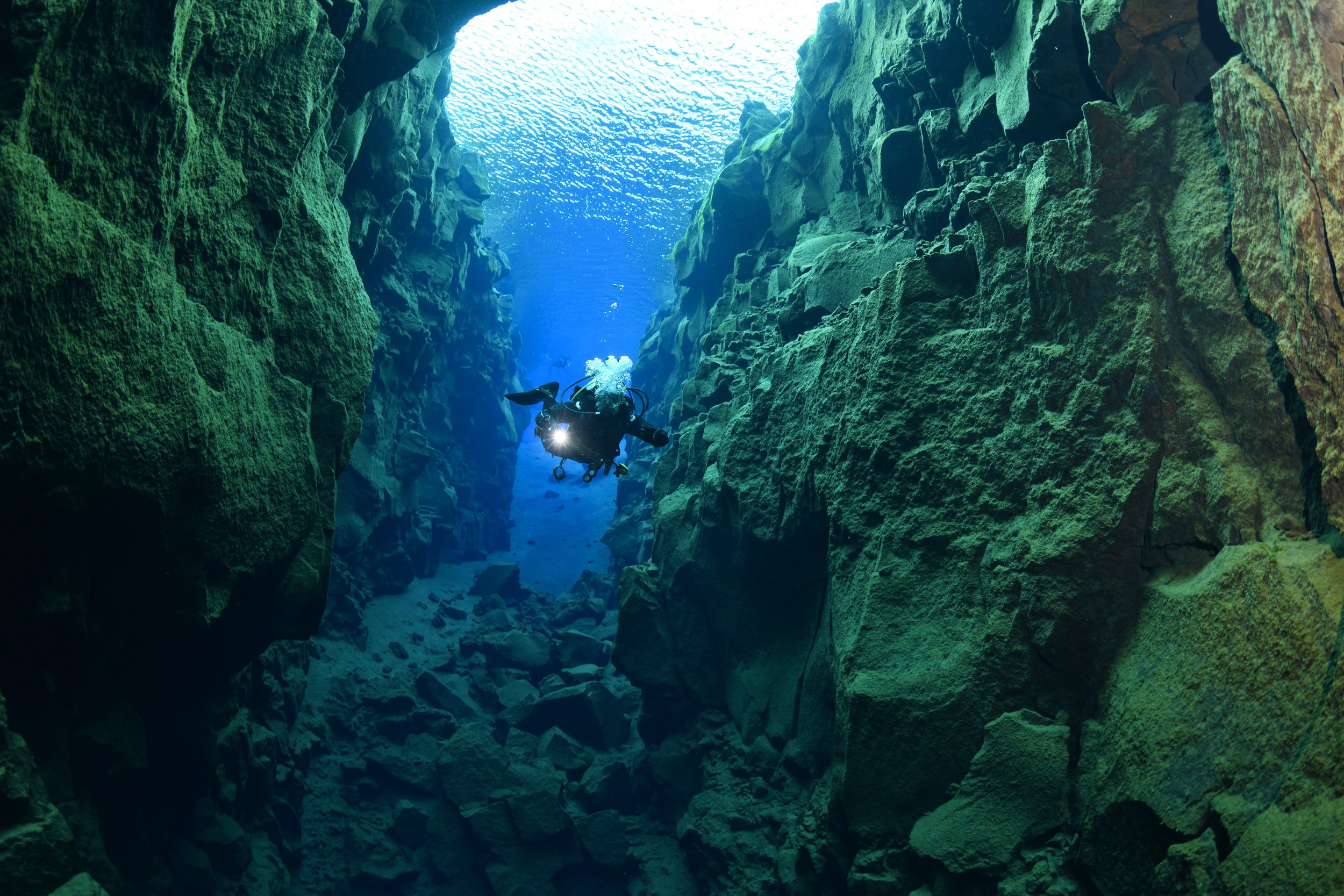
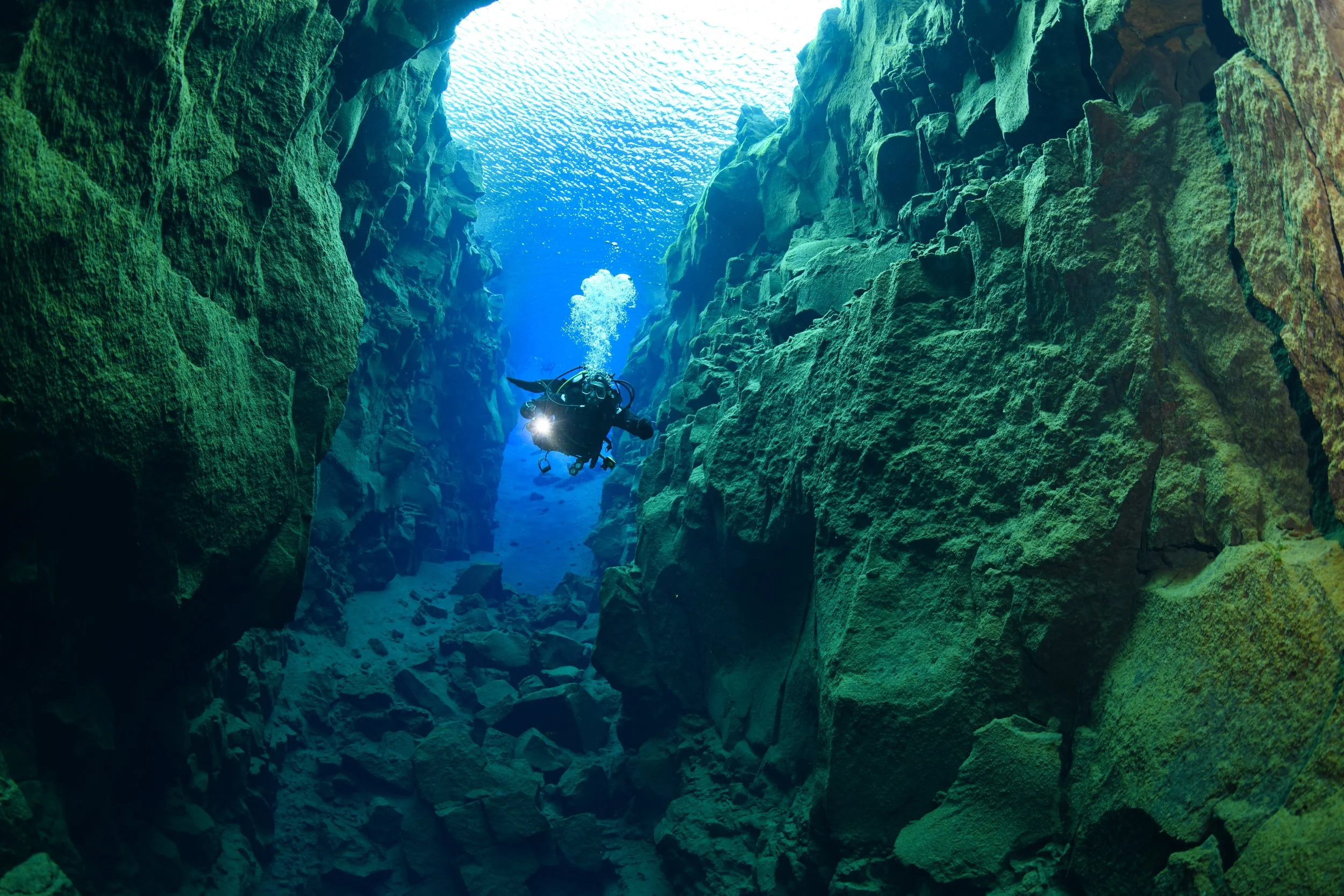
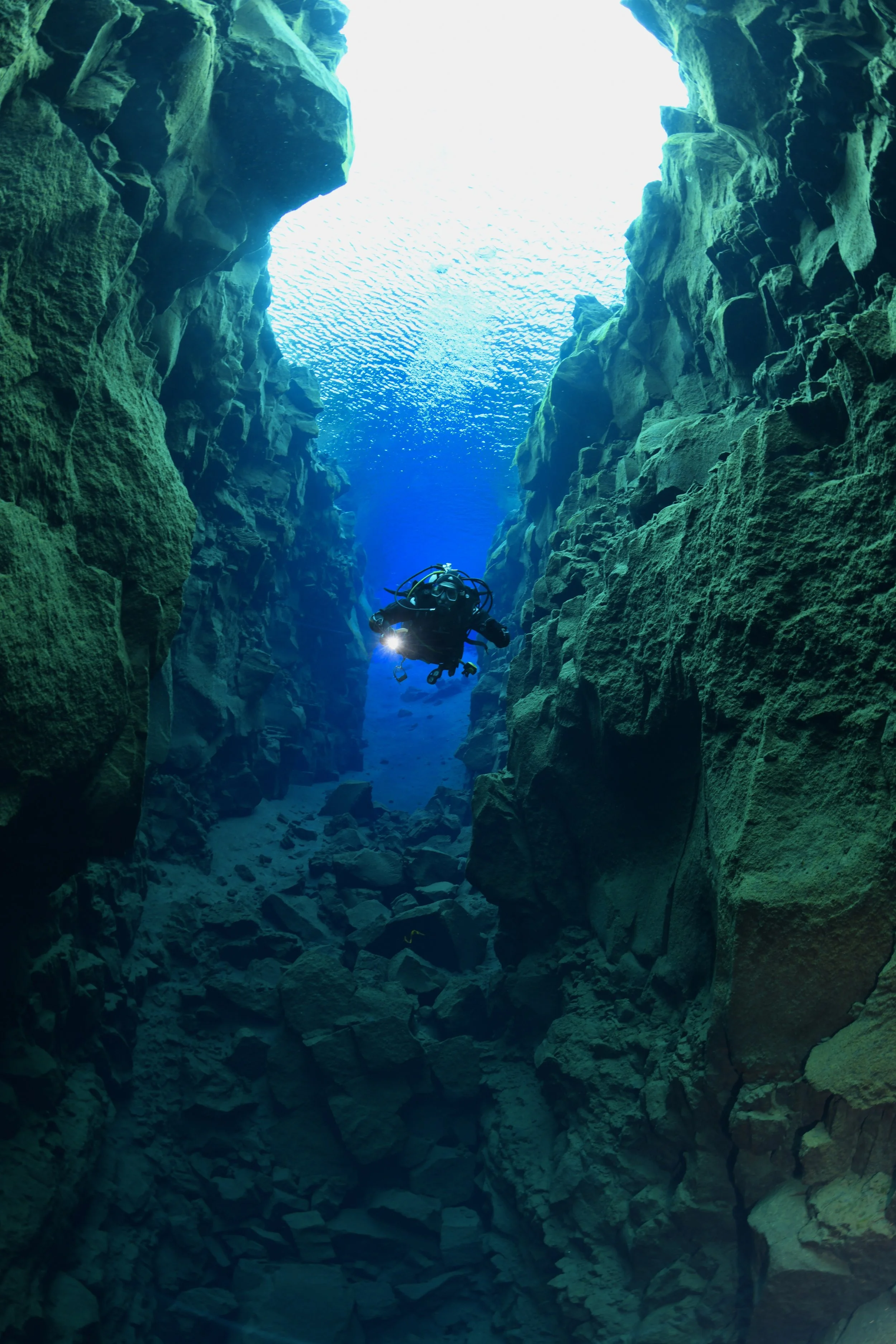
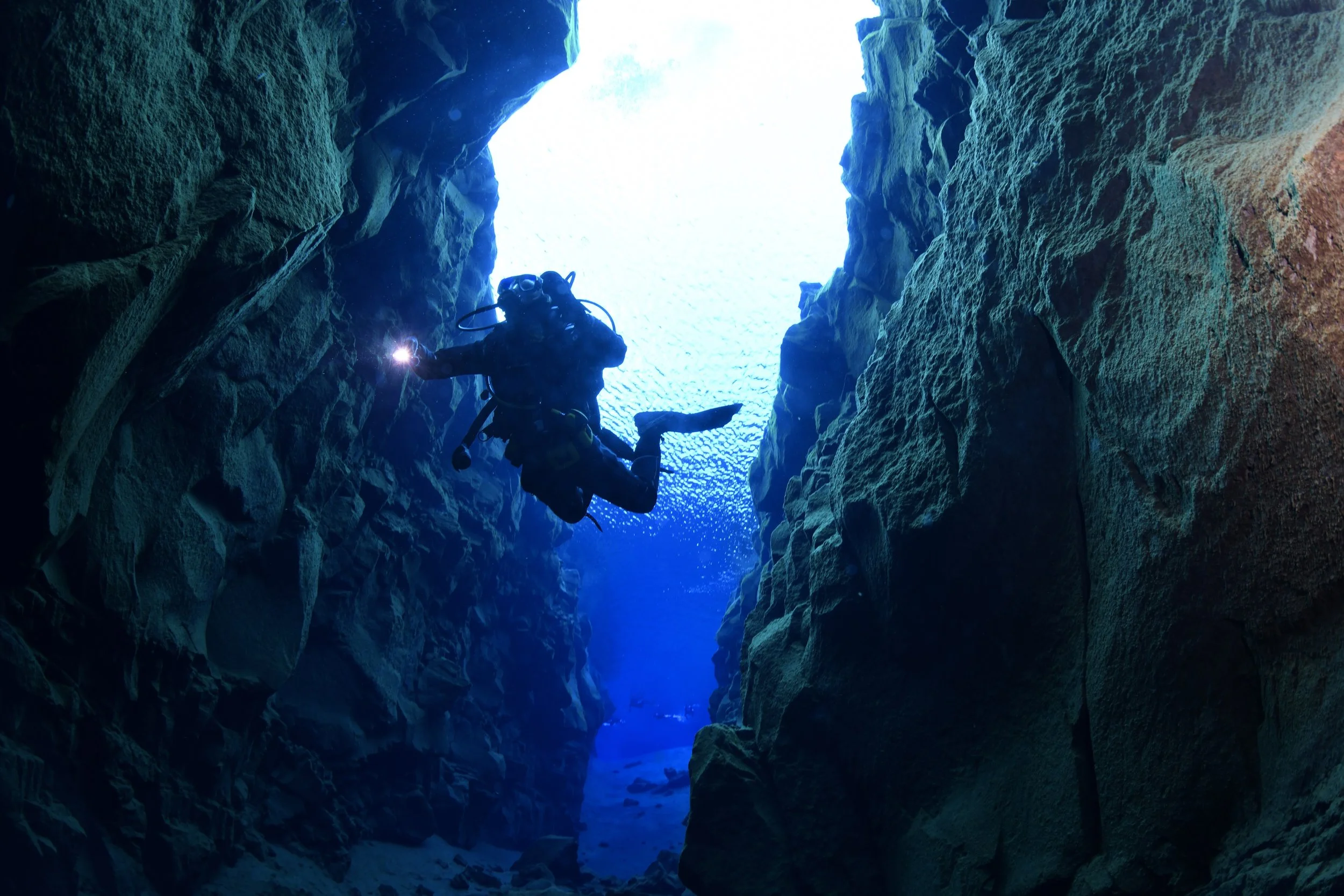
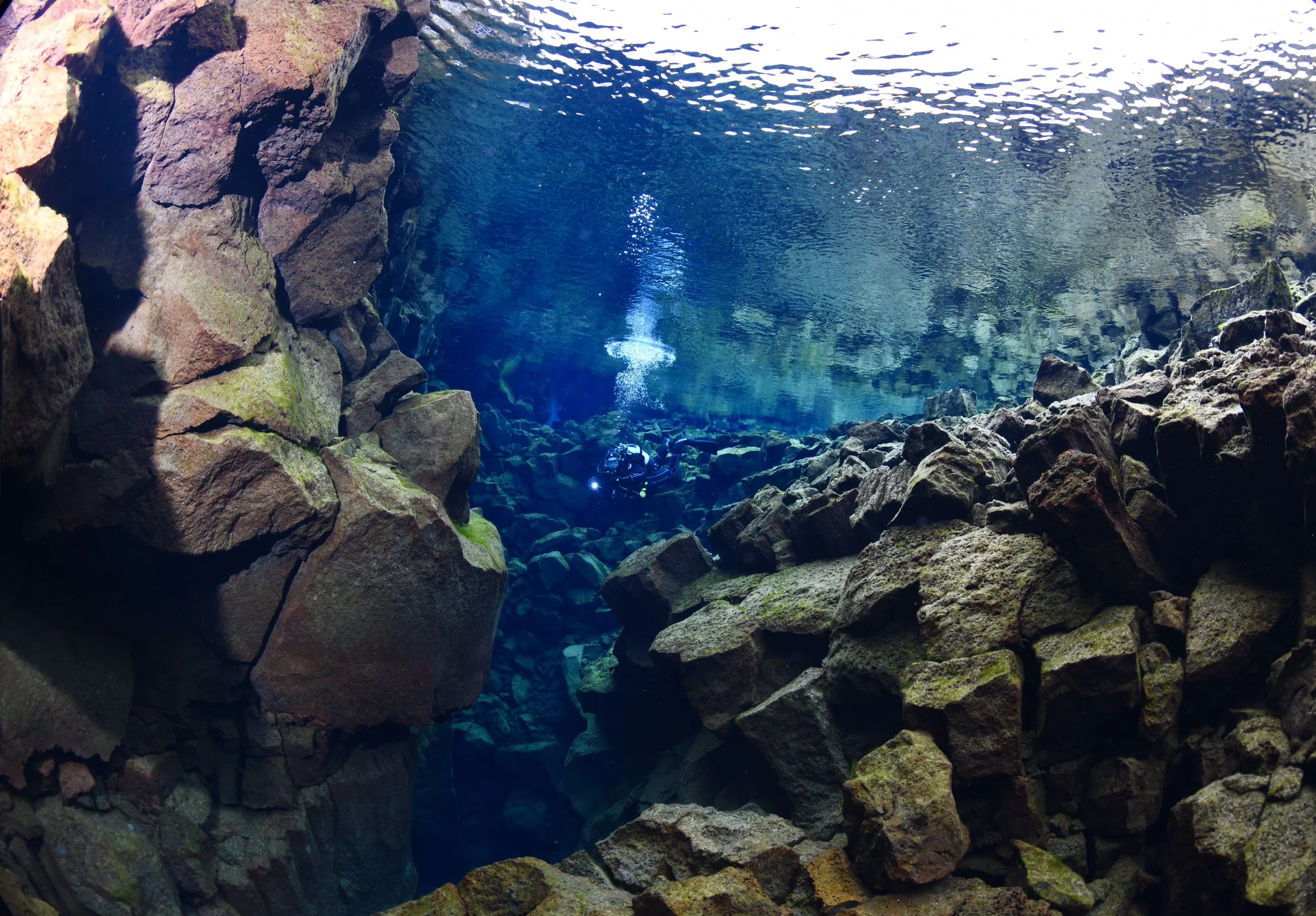
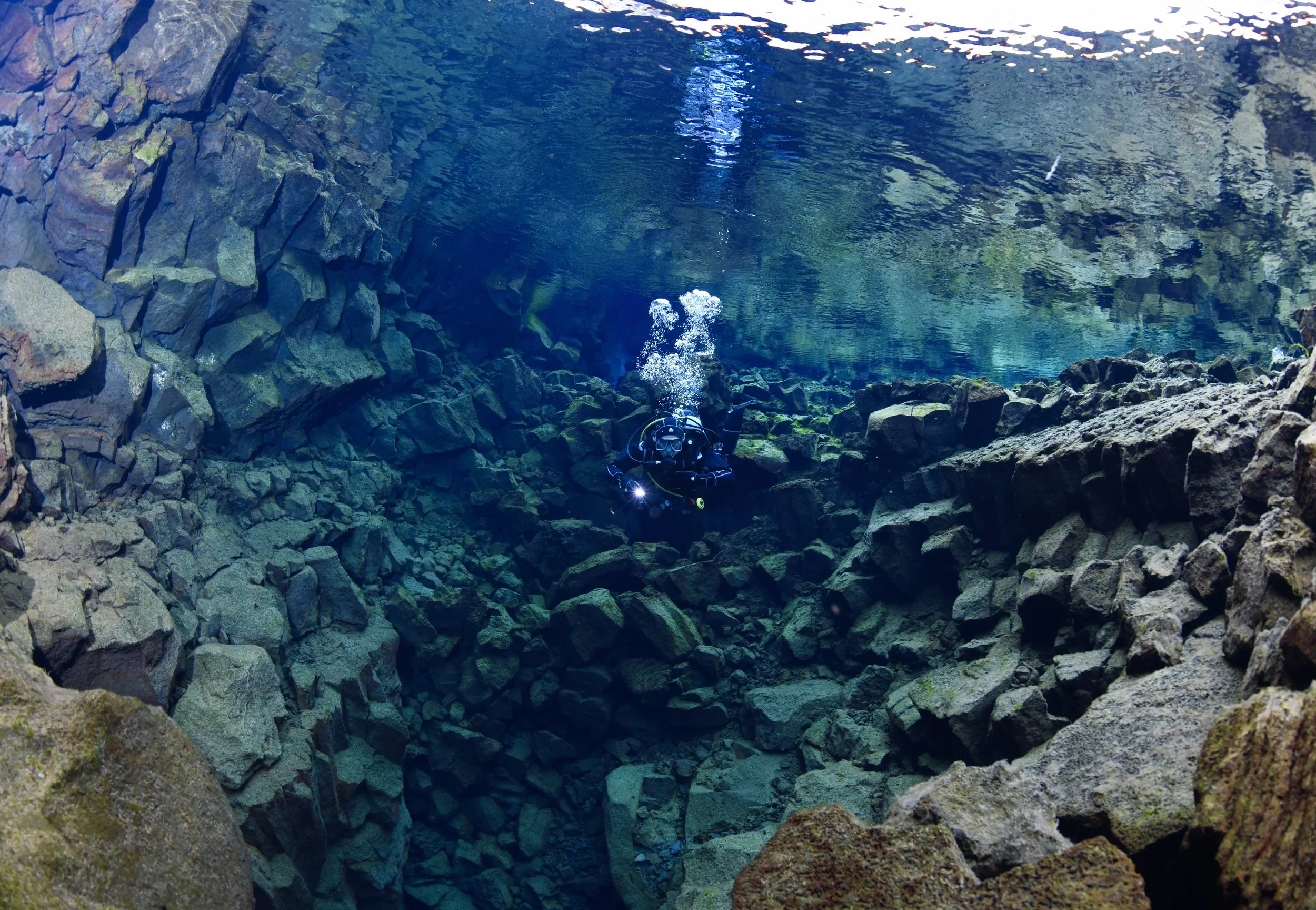
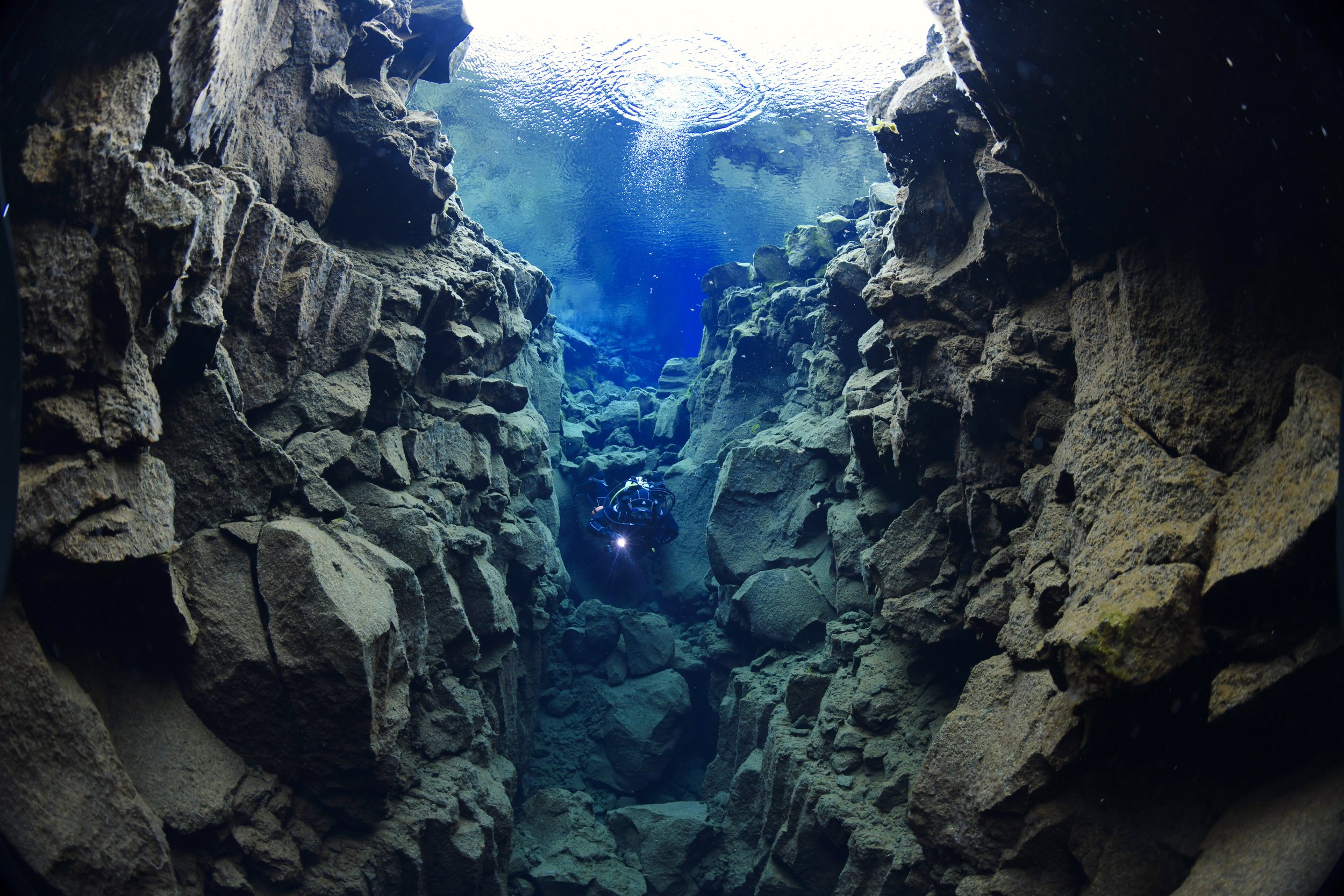
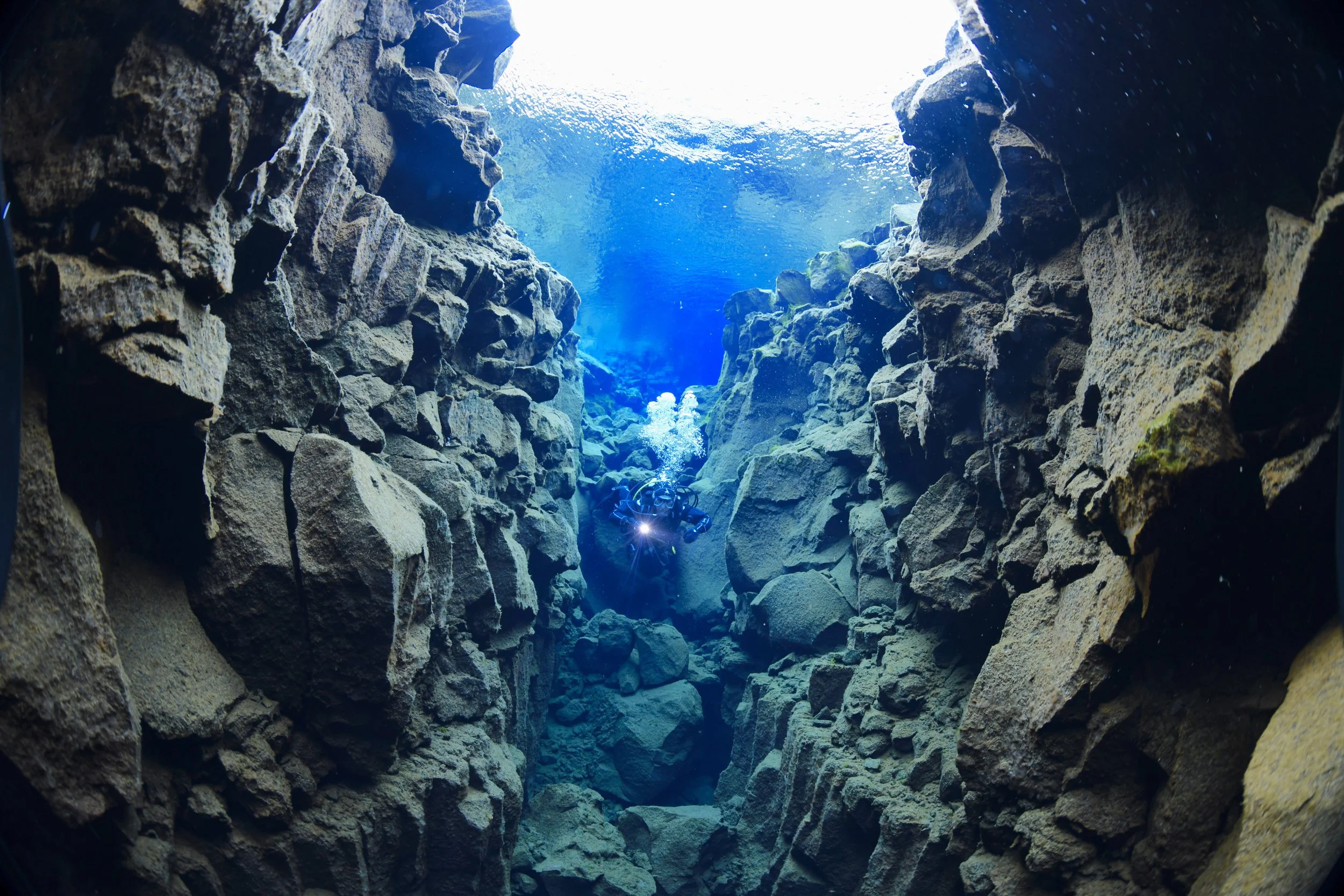
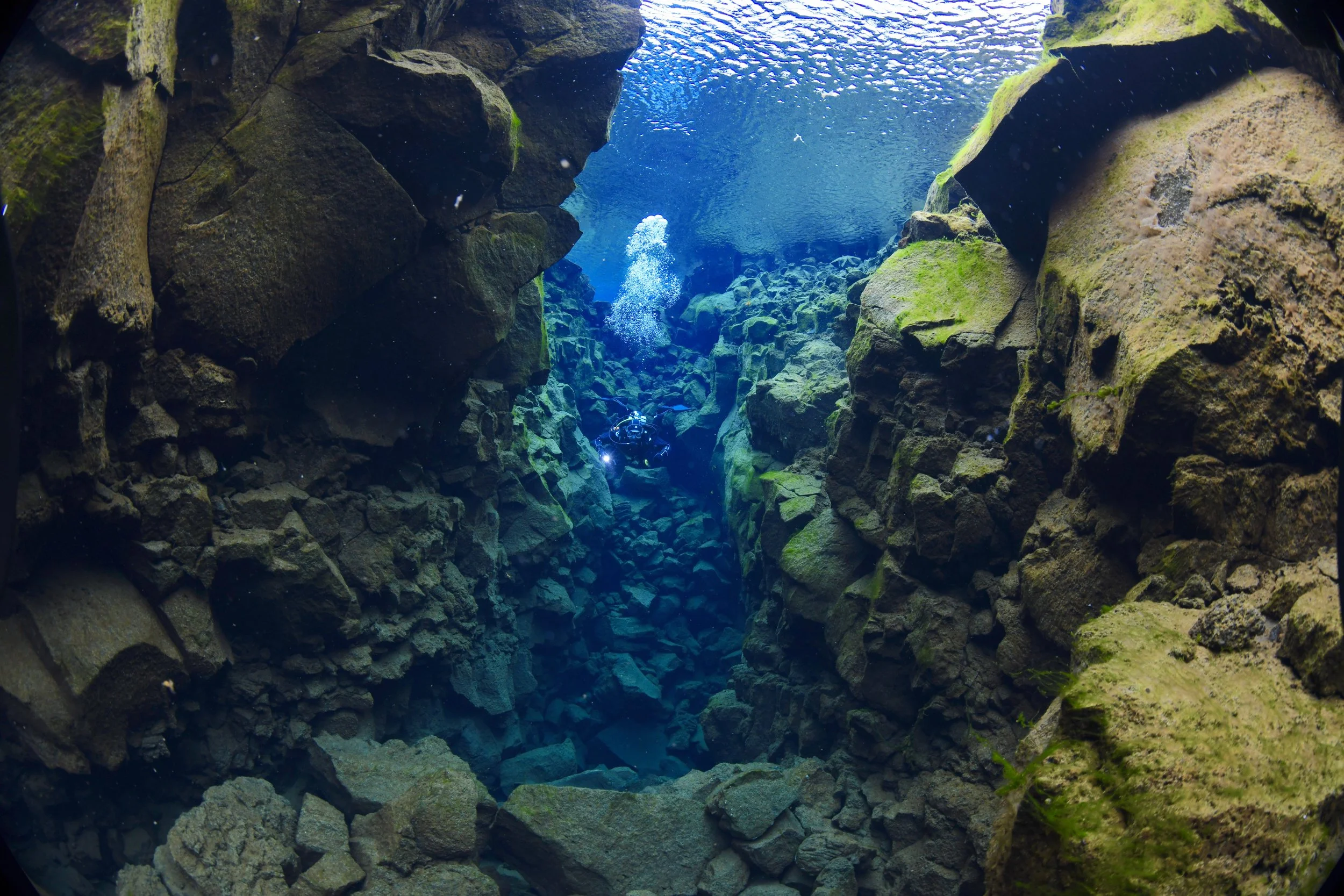
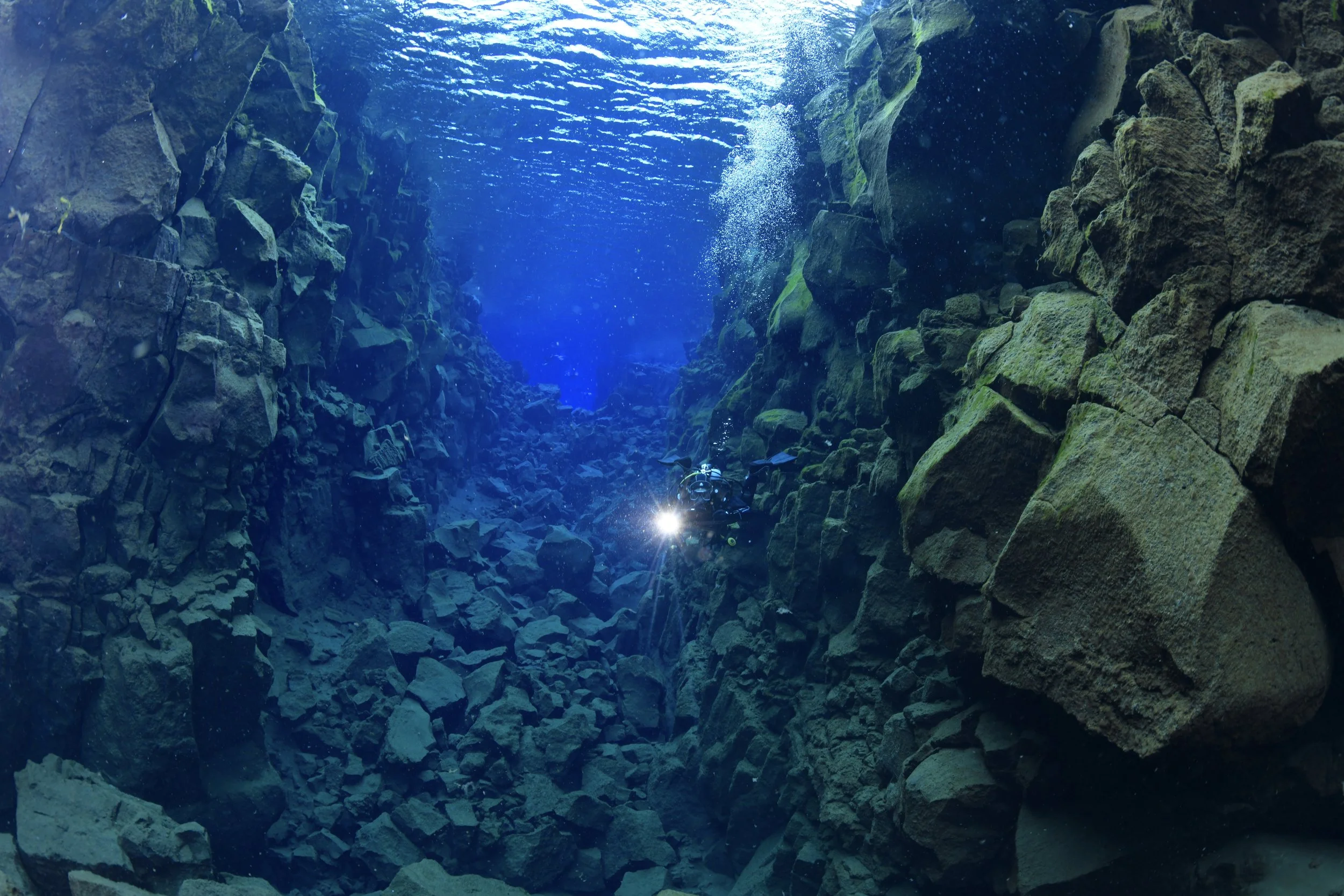
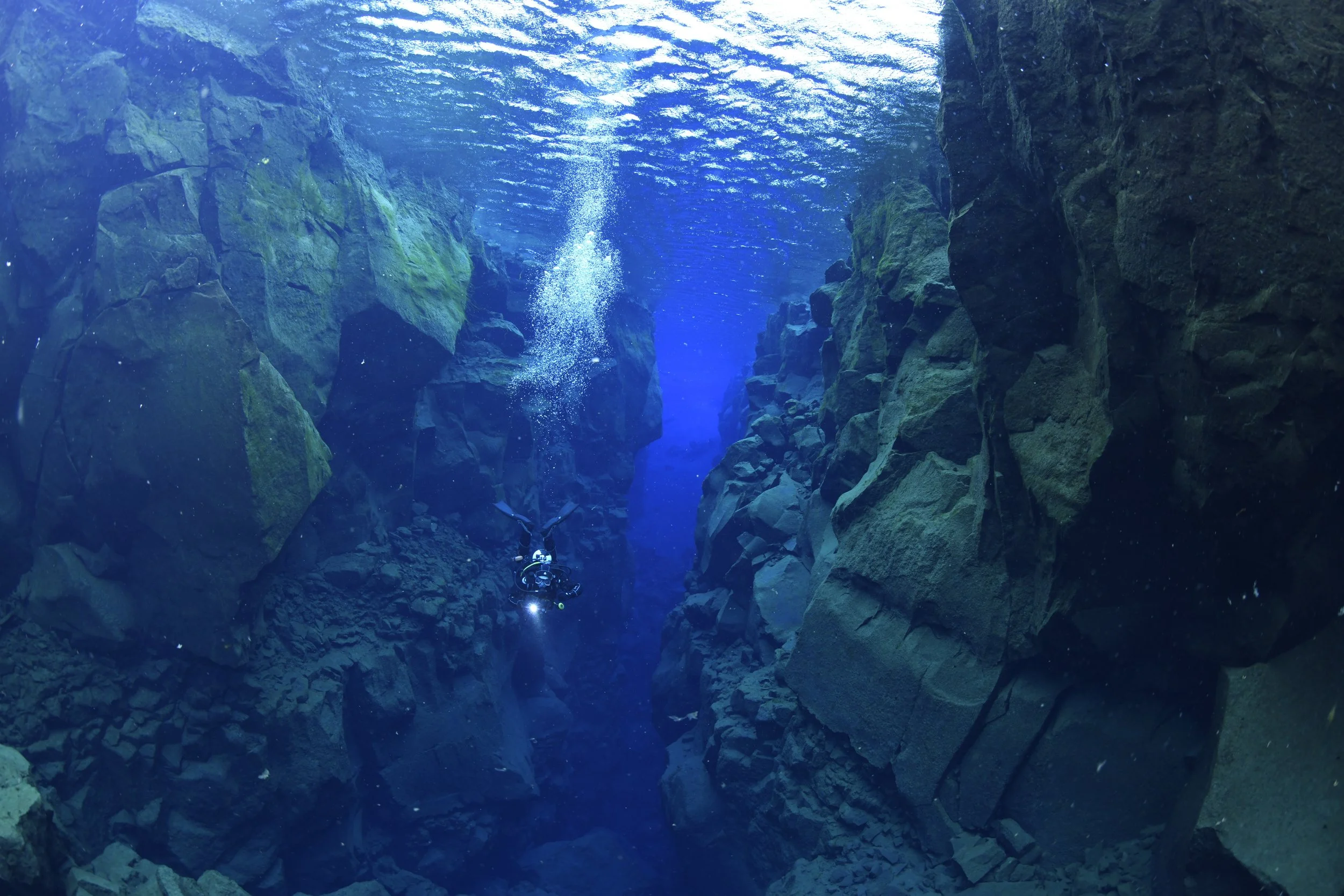
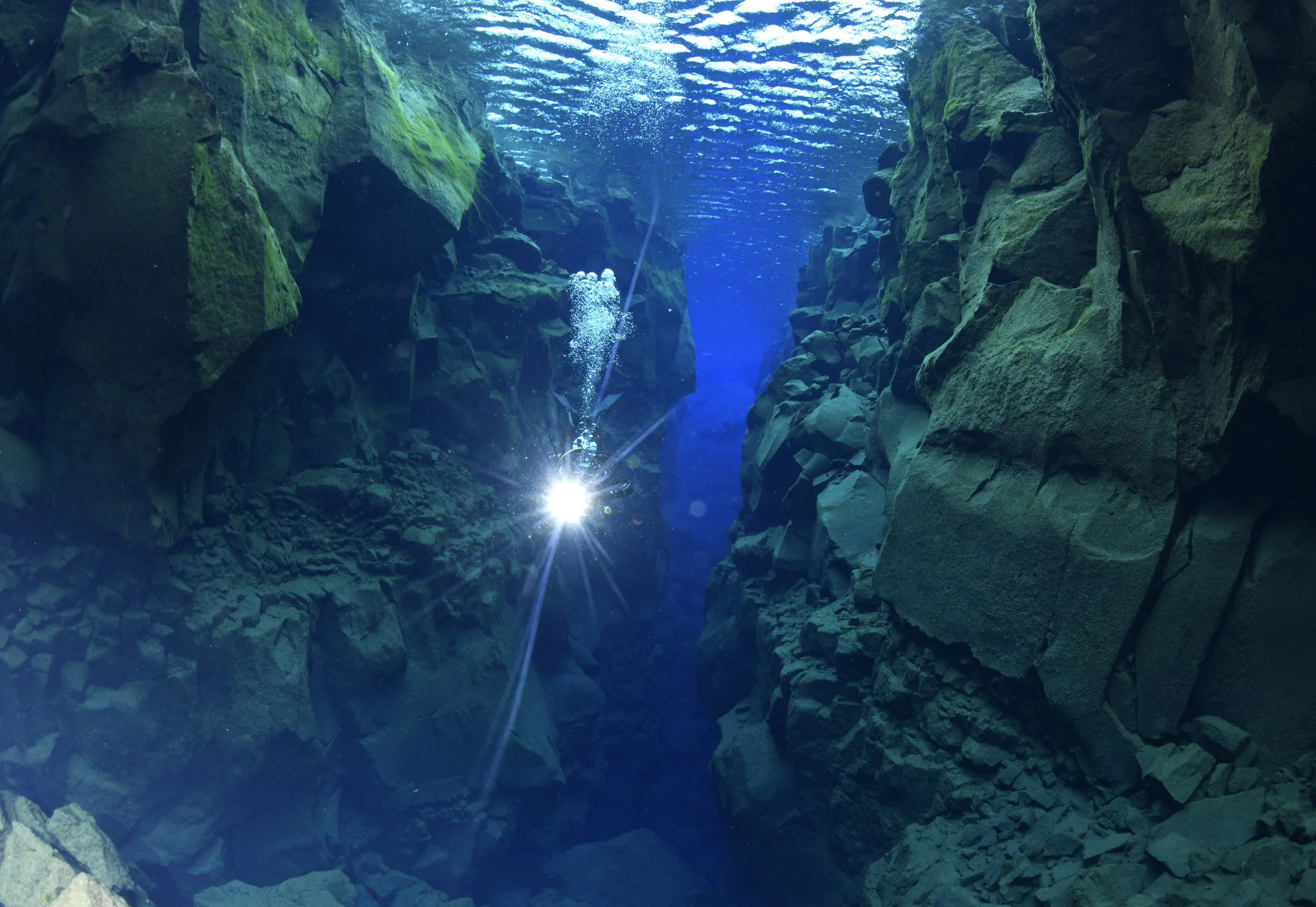
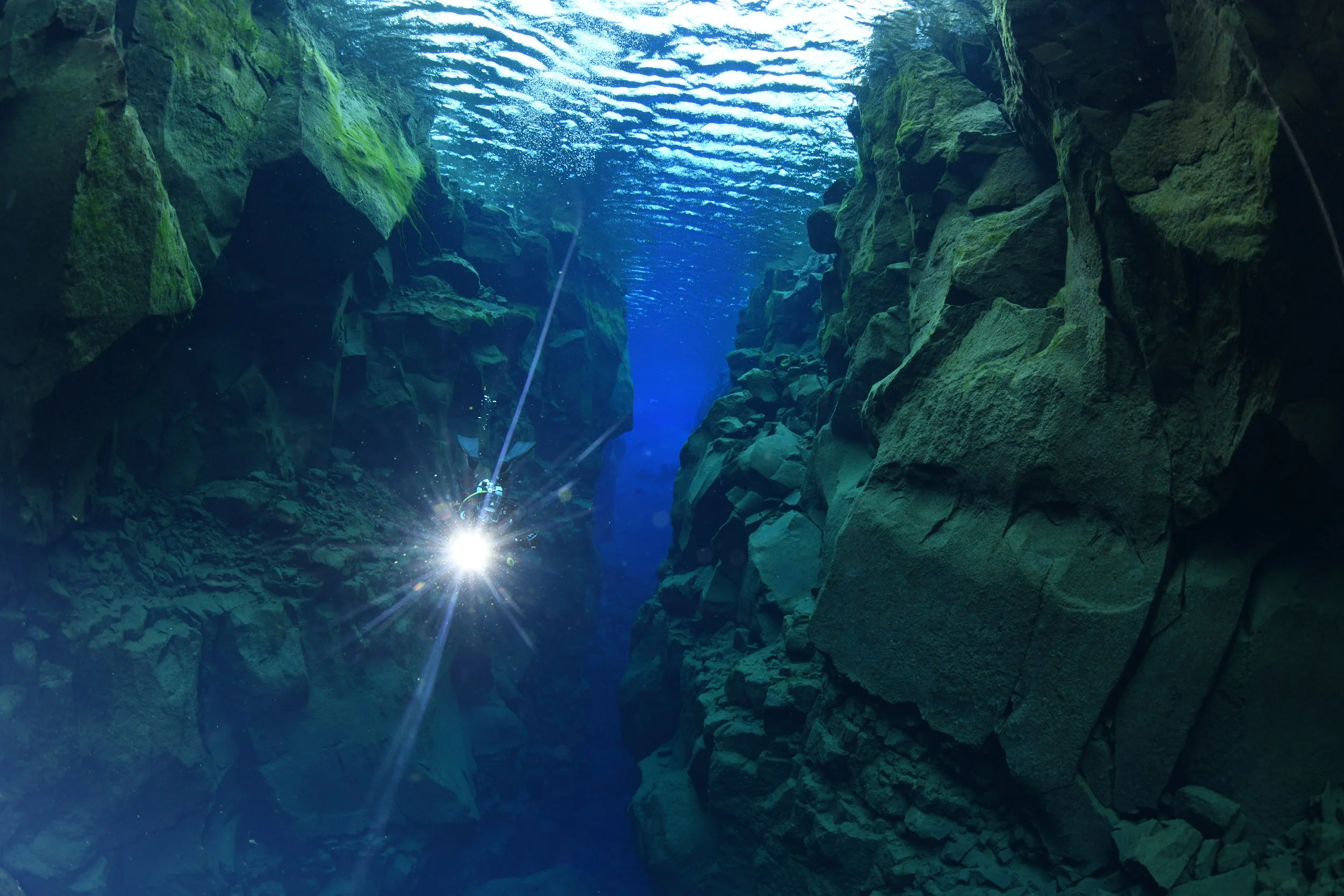
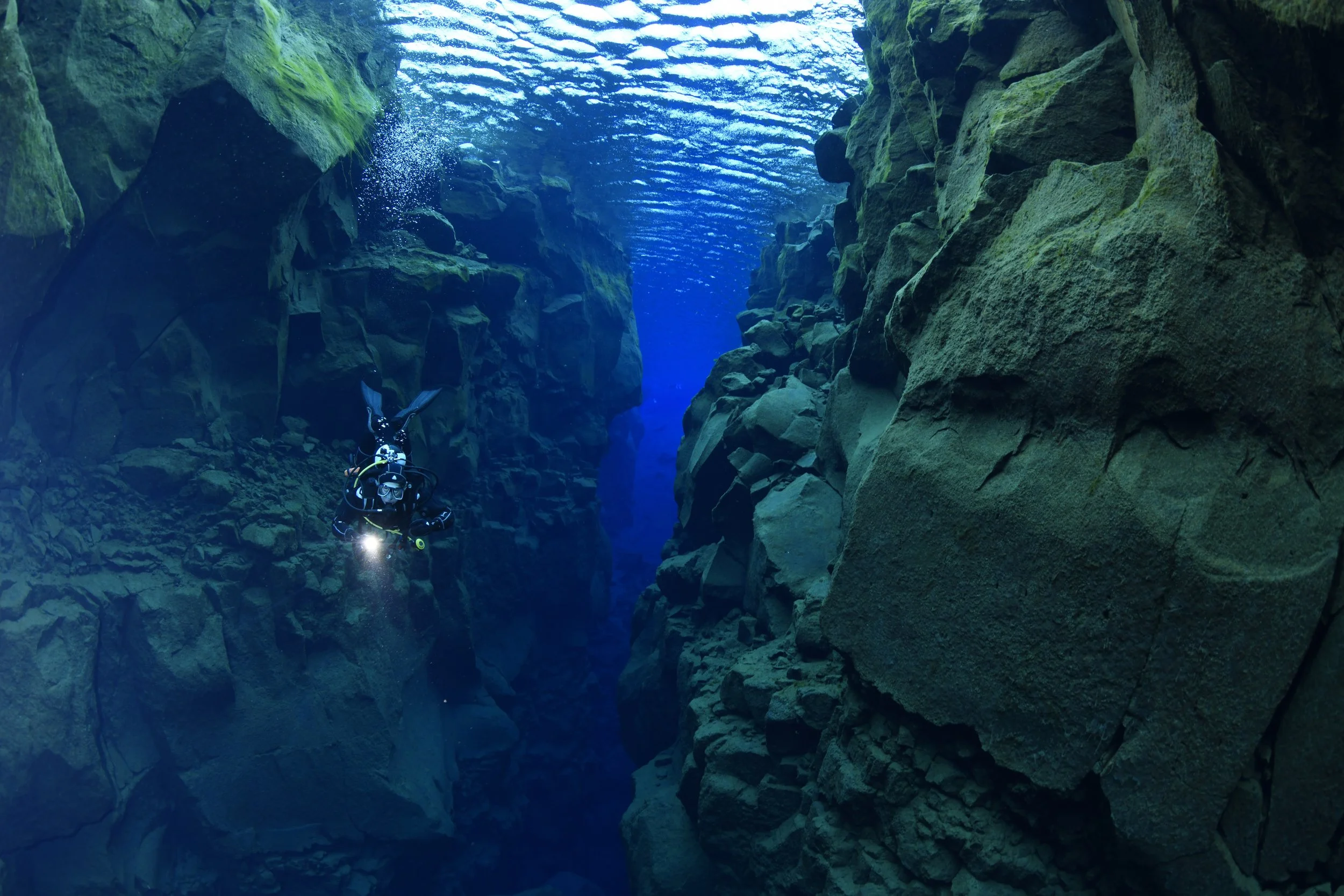
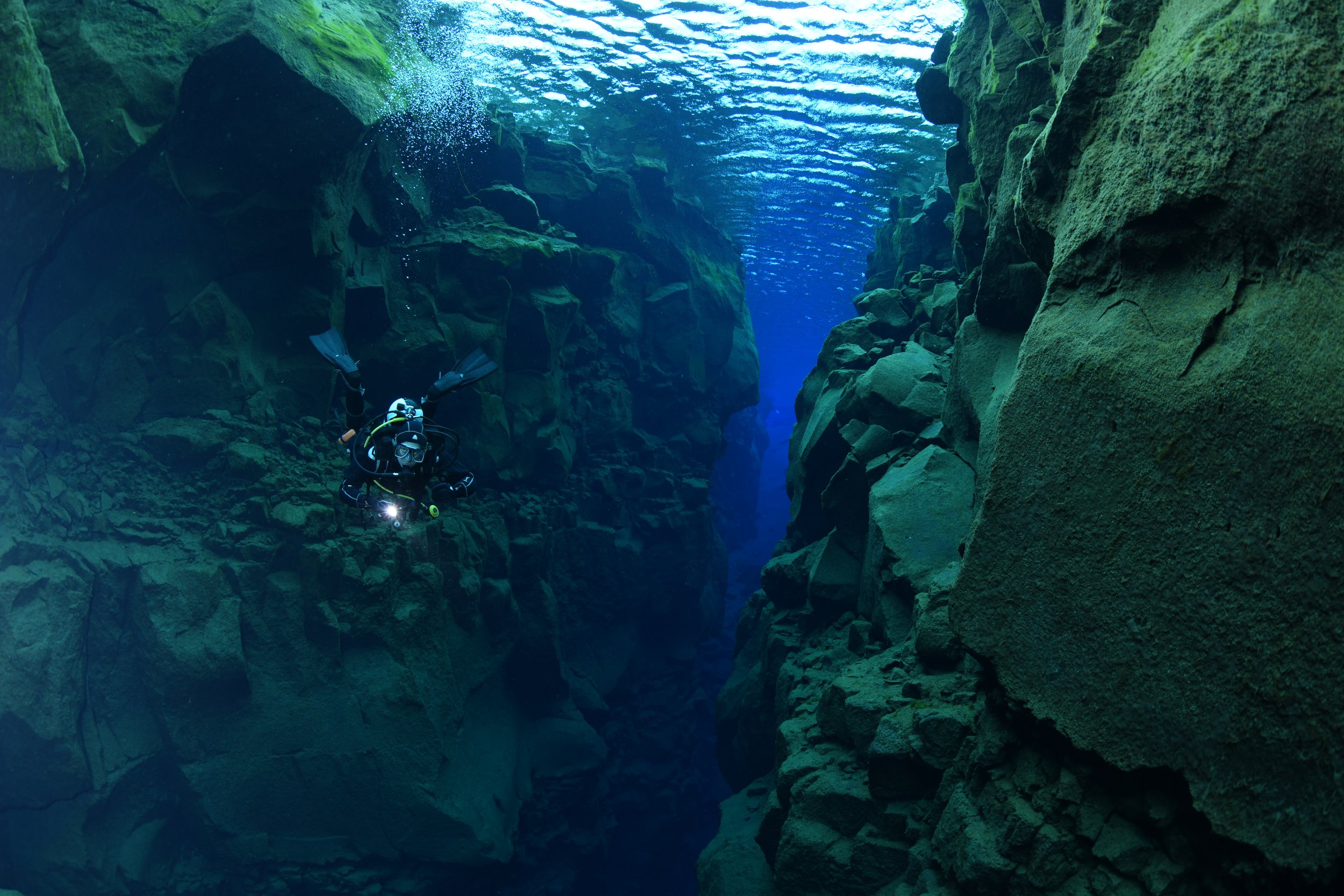
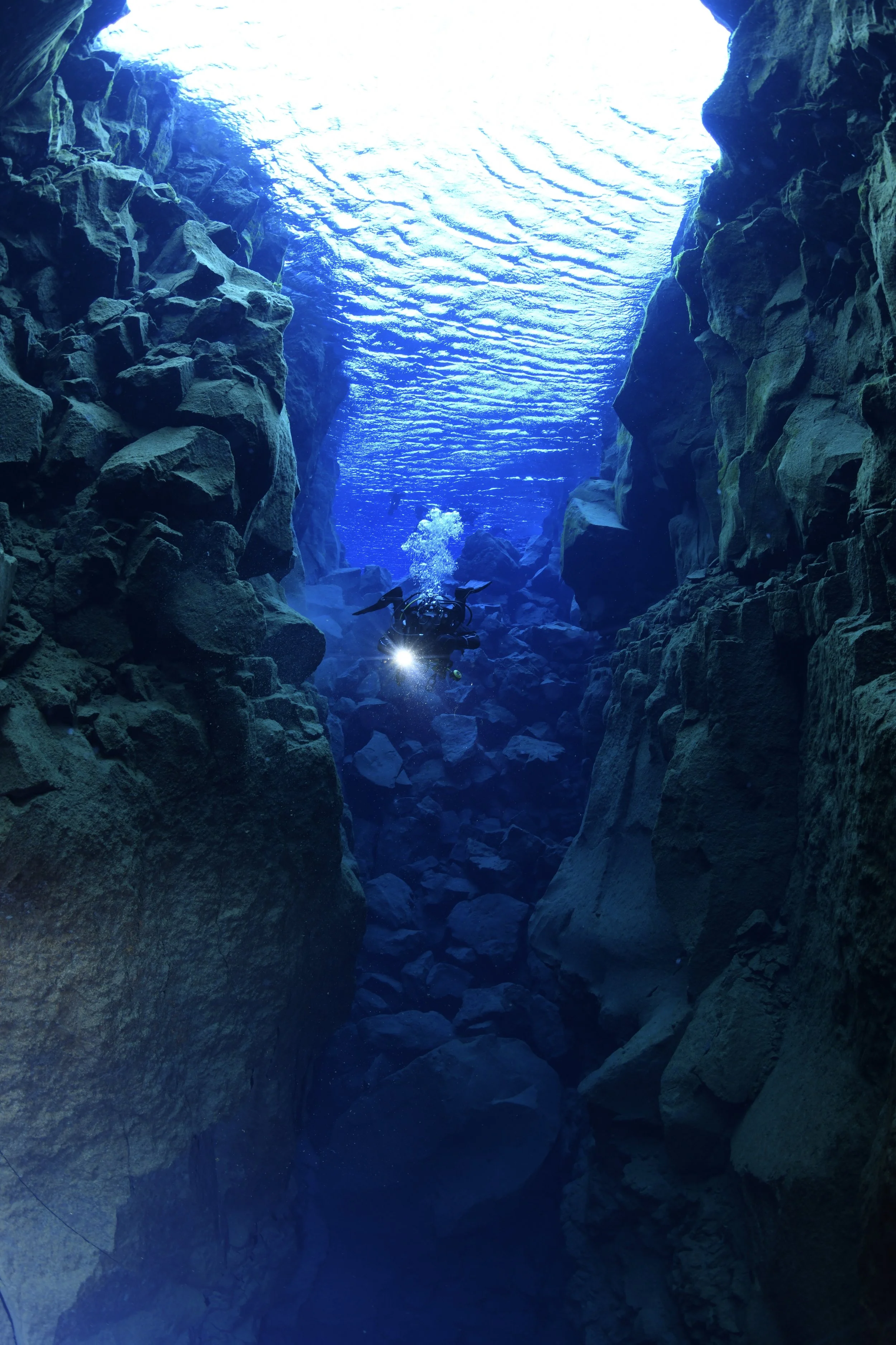
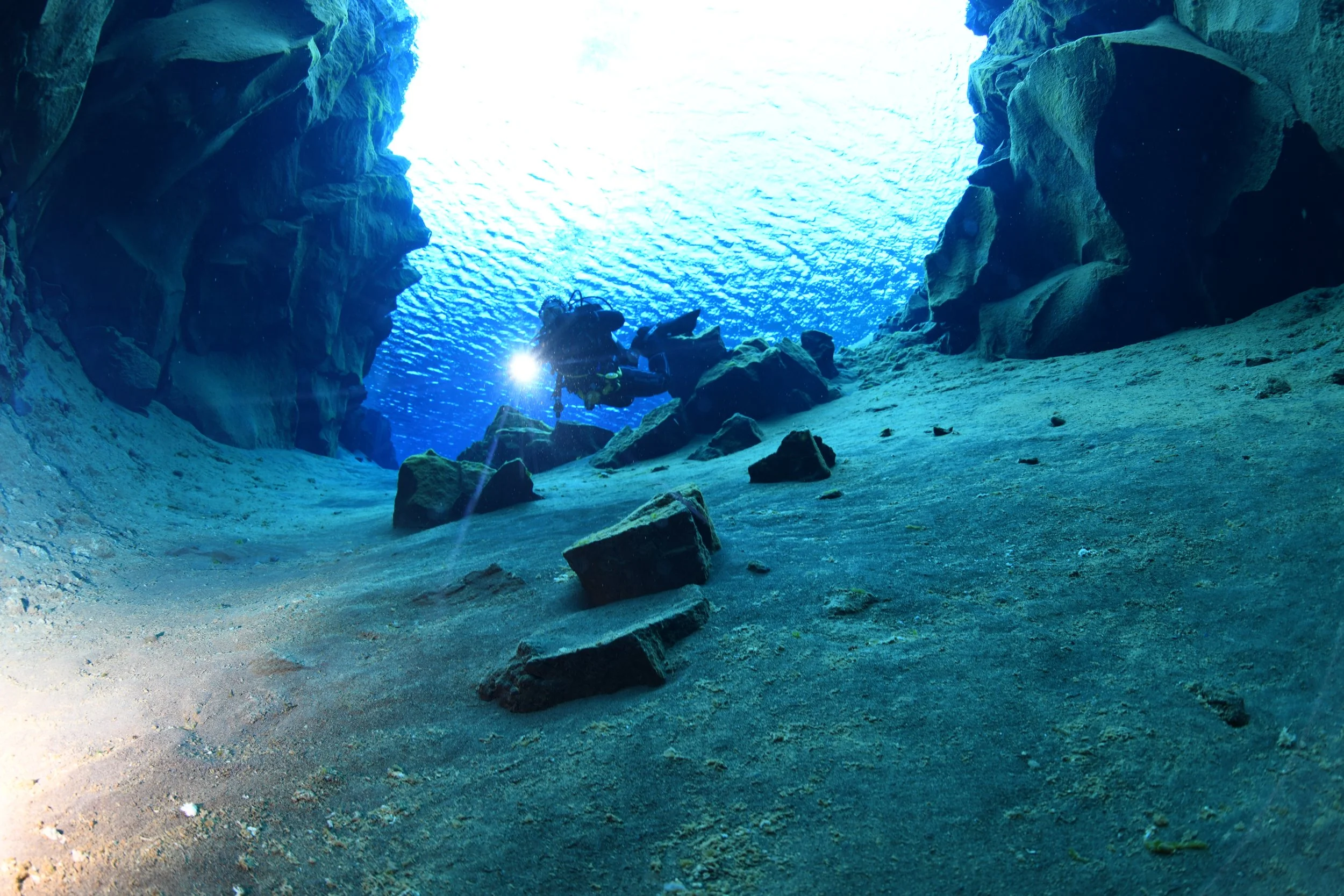
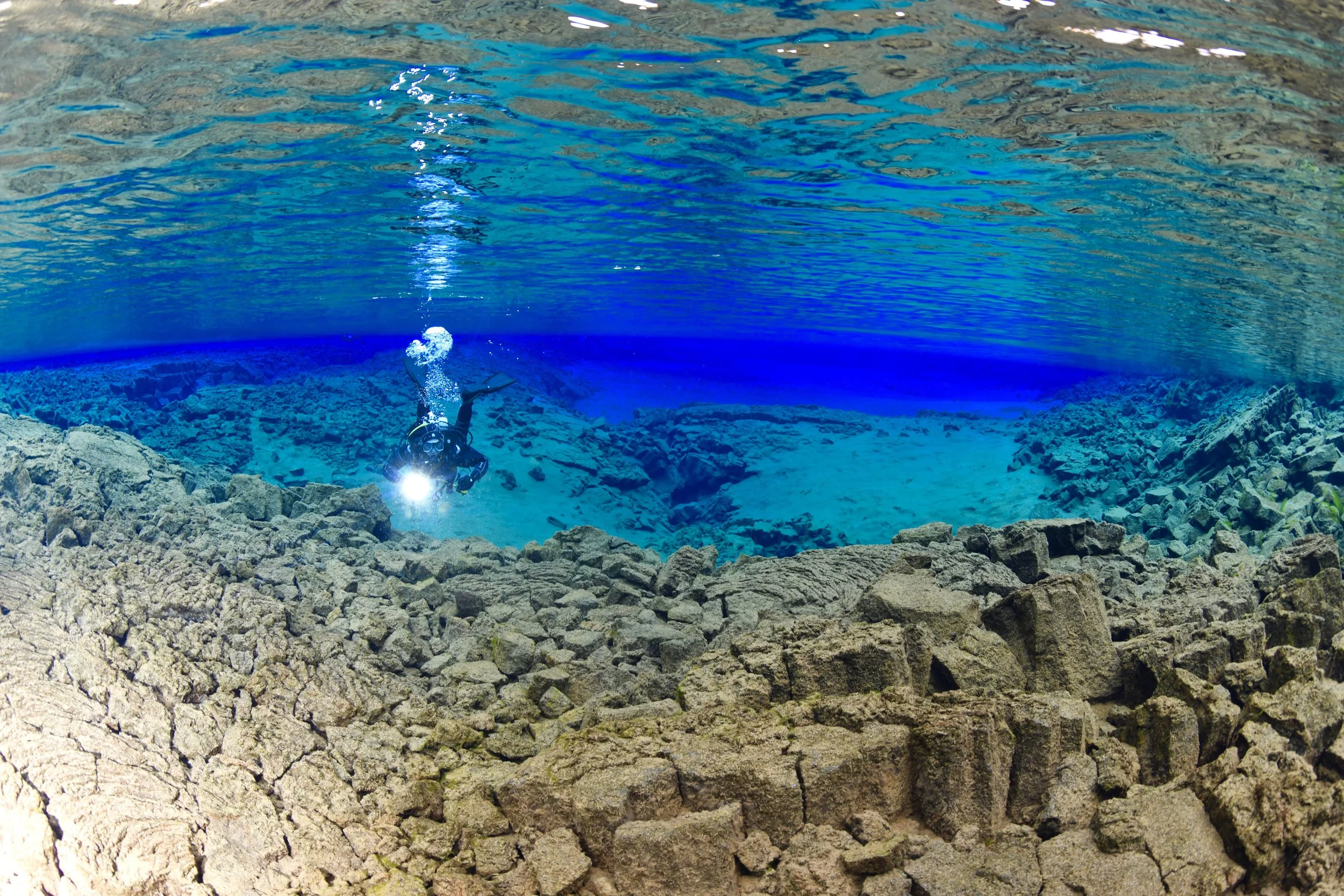
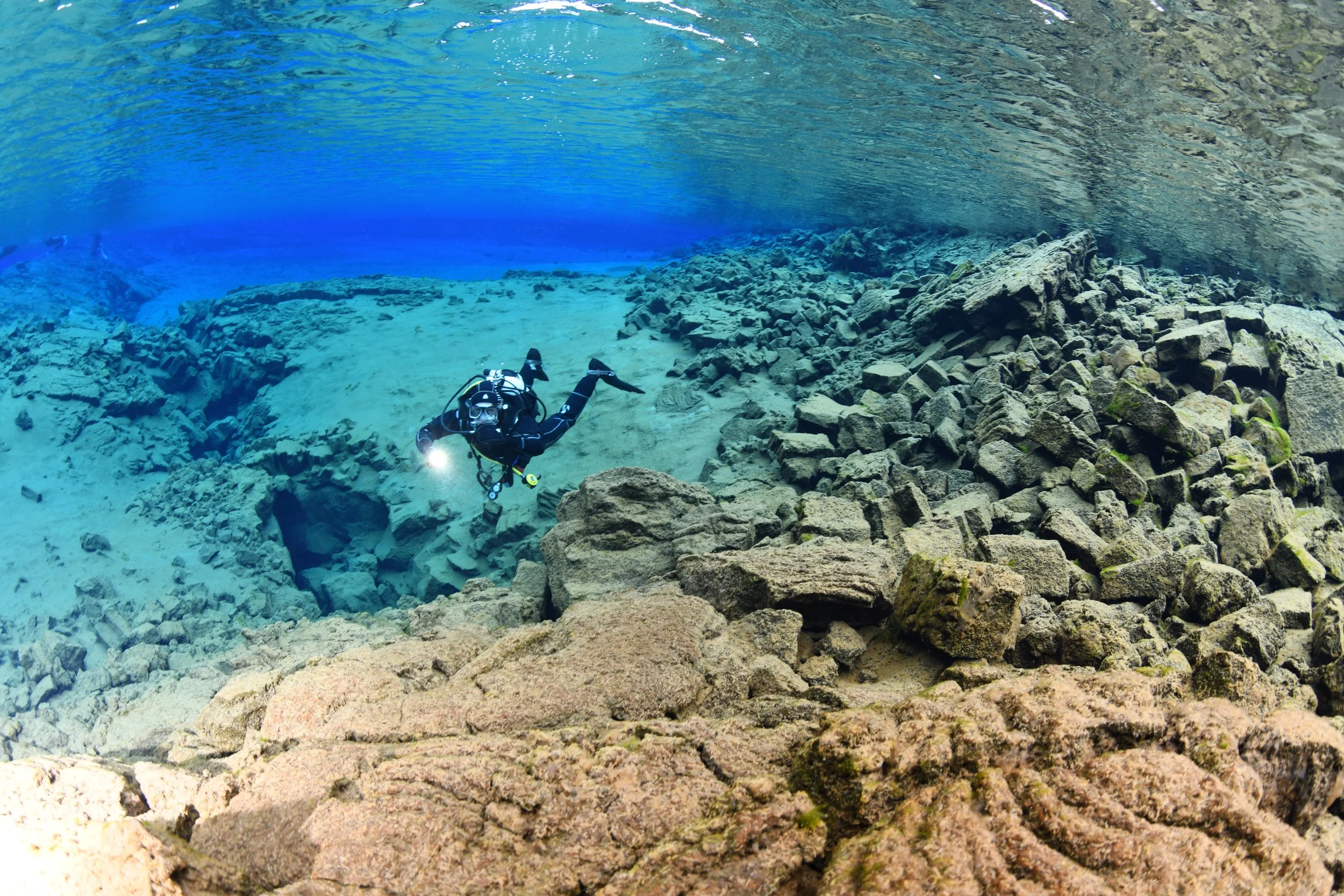
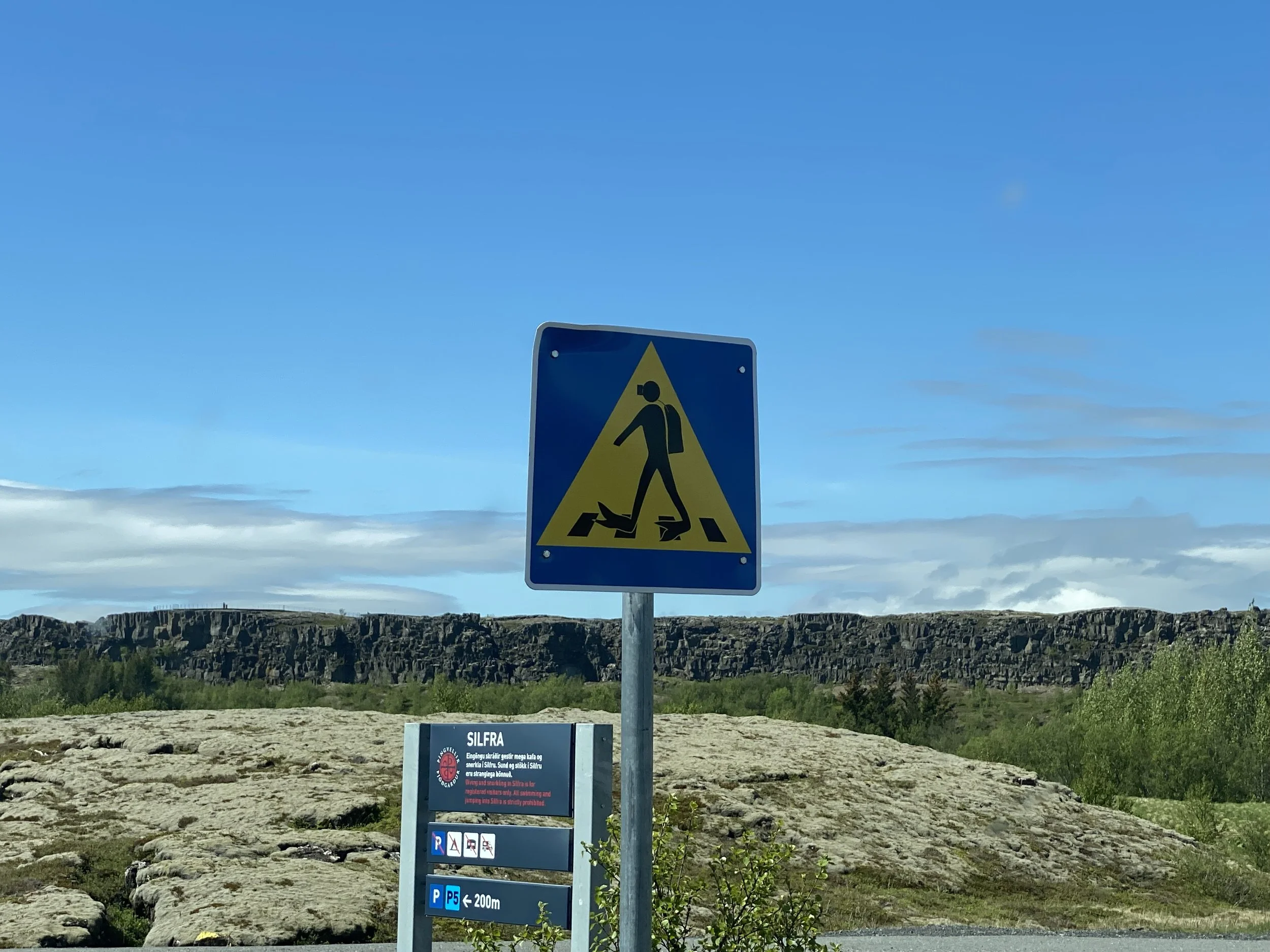
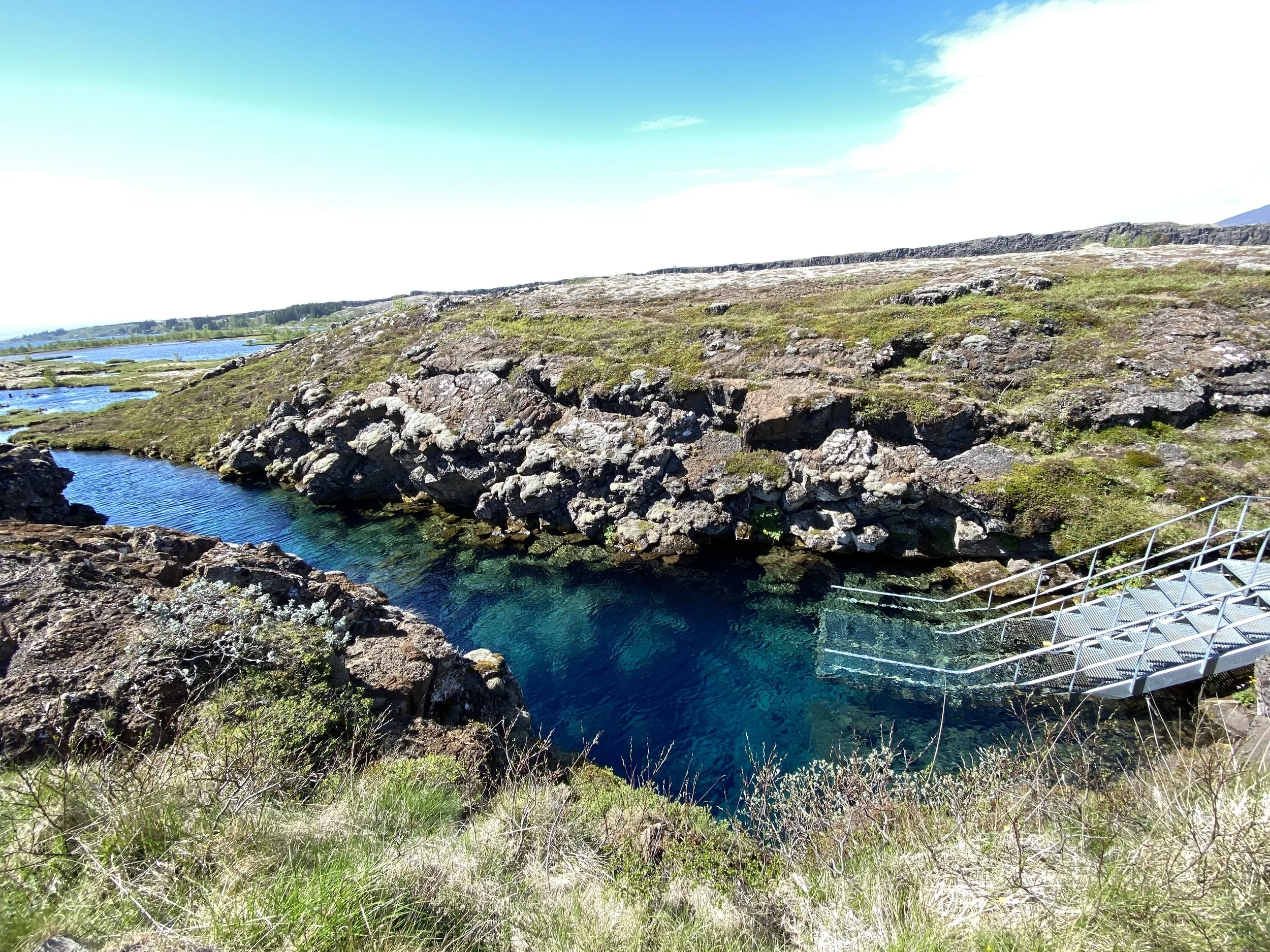
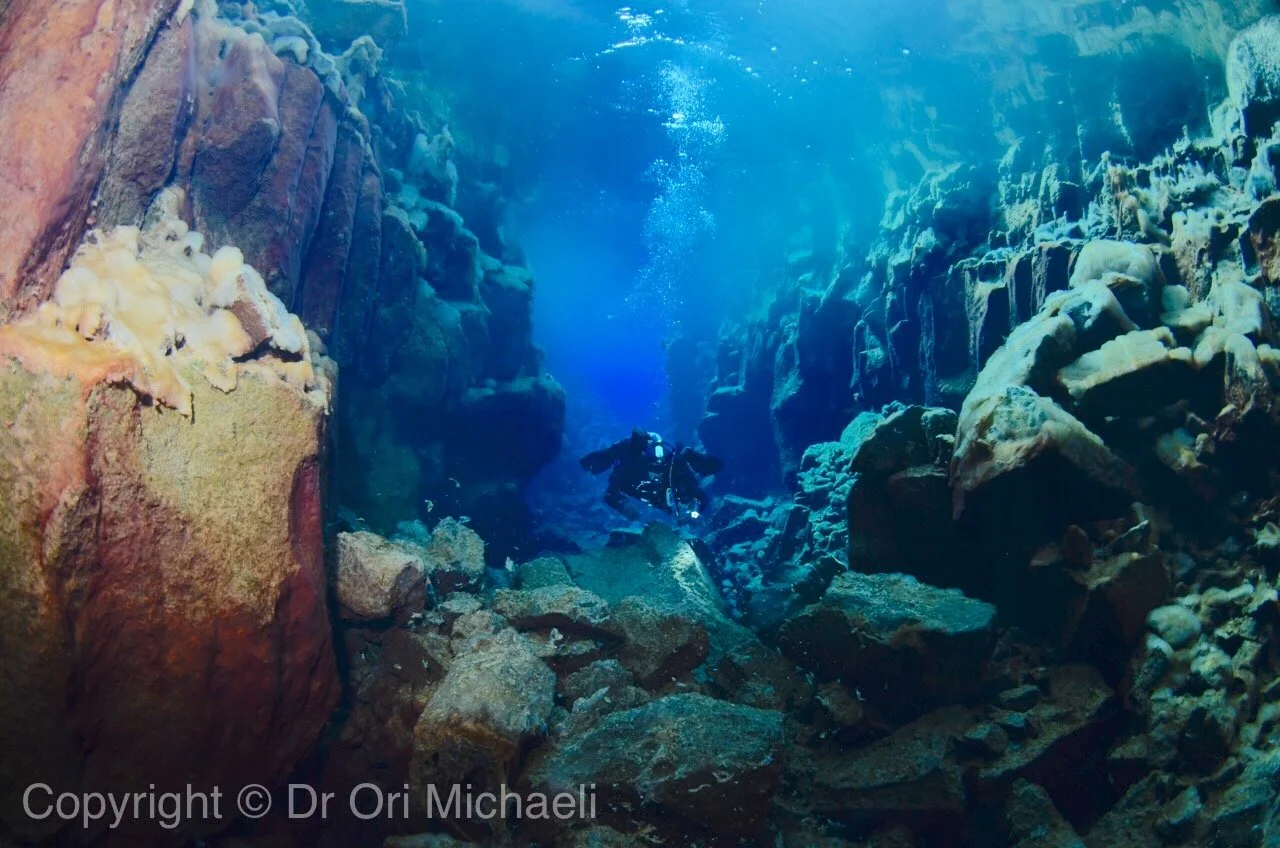
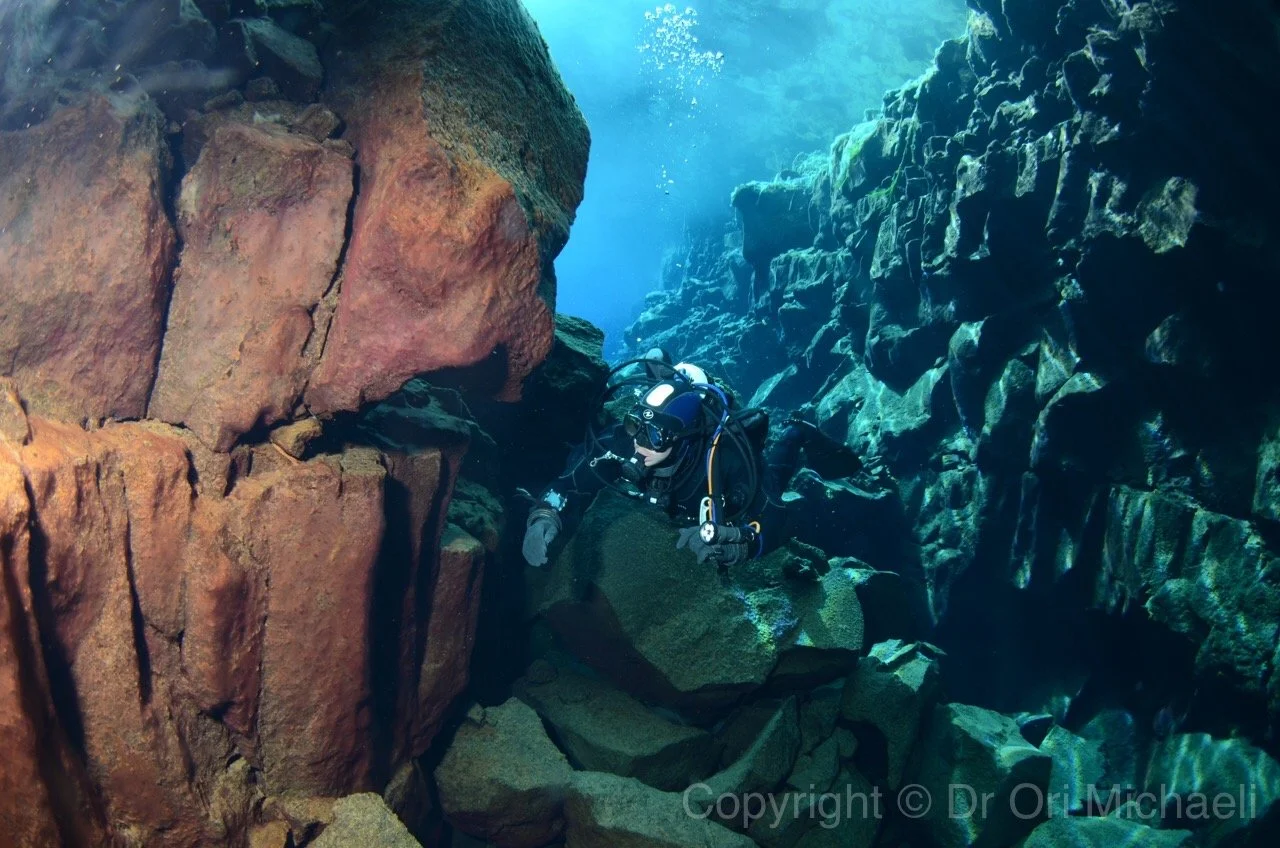
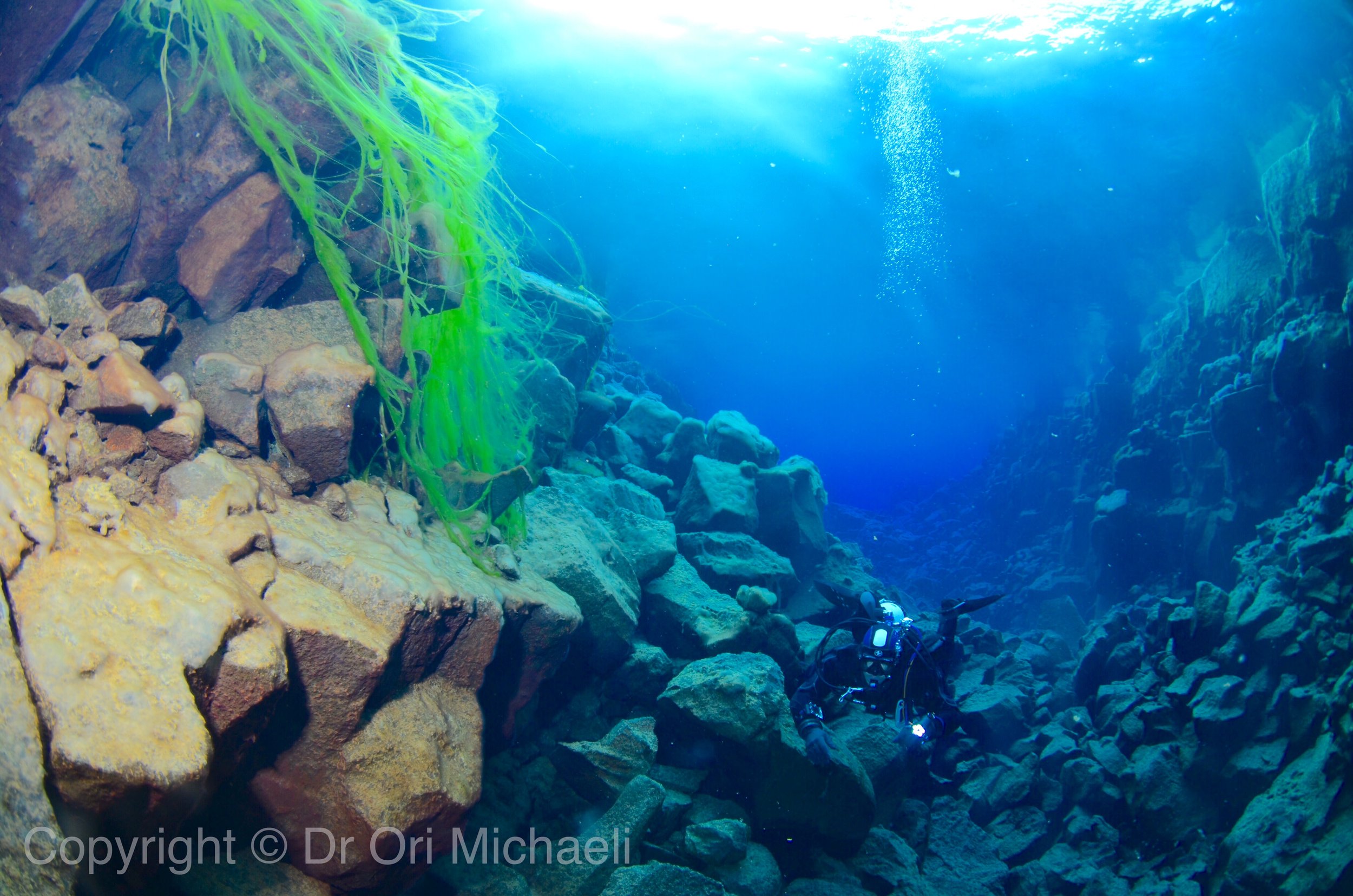
Few dive sites in the world offer an experience as unique as Silfra, Iceland. Hidden within Þingvellir National Park, this remarkable fissure is where the North American and Eurasian tectonic plates slowly drift apart, creating one of the only places on Earth where you can dive between two continents.
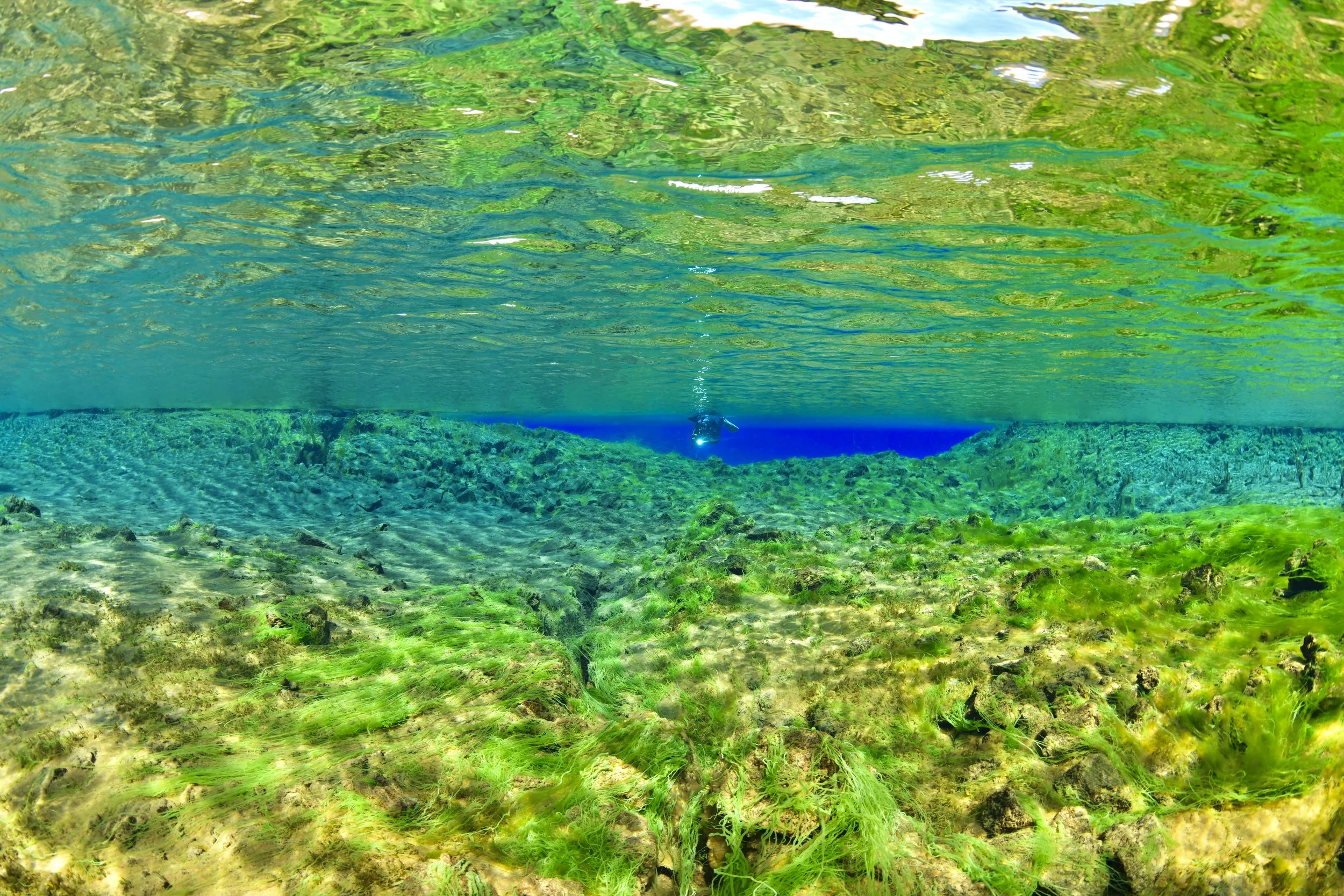
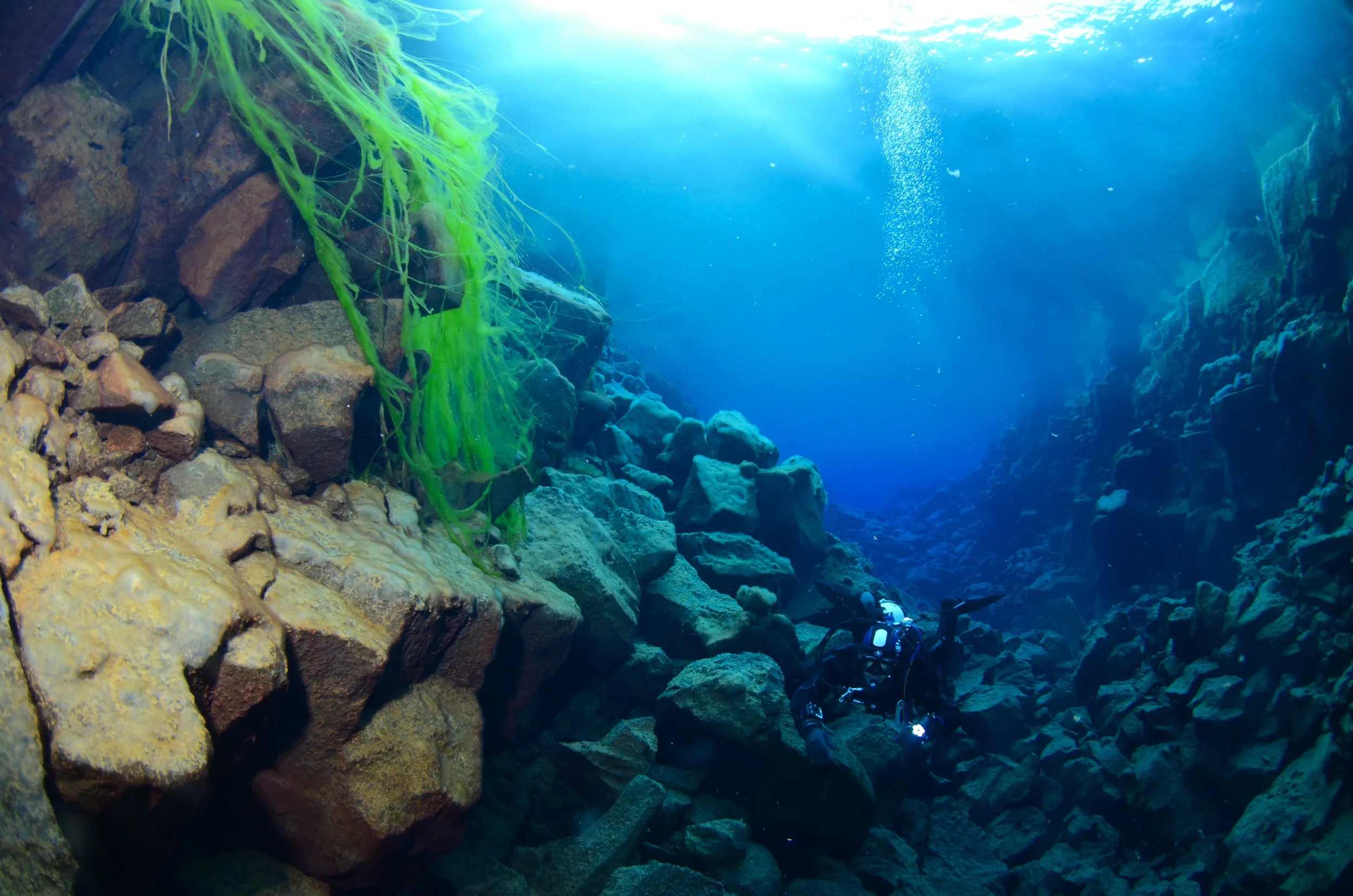
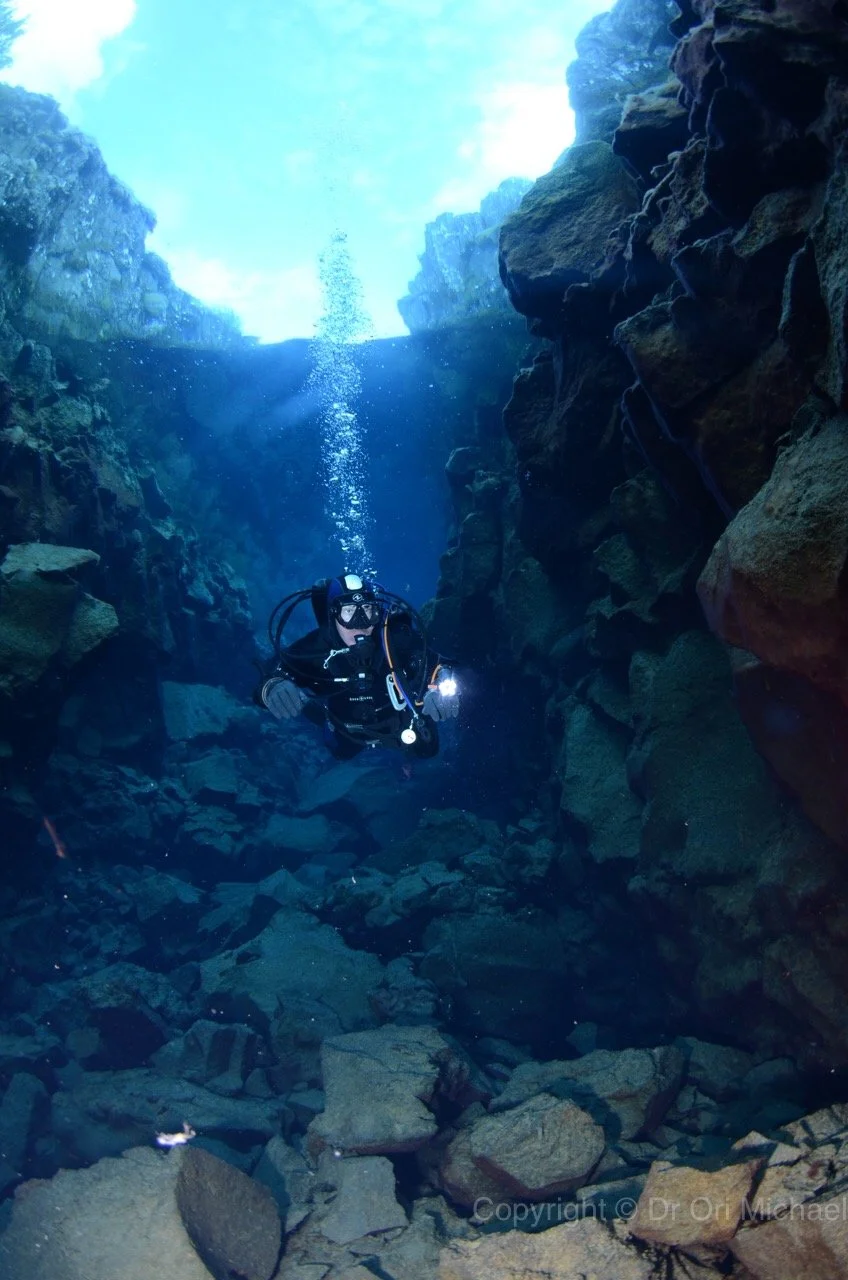
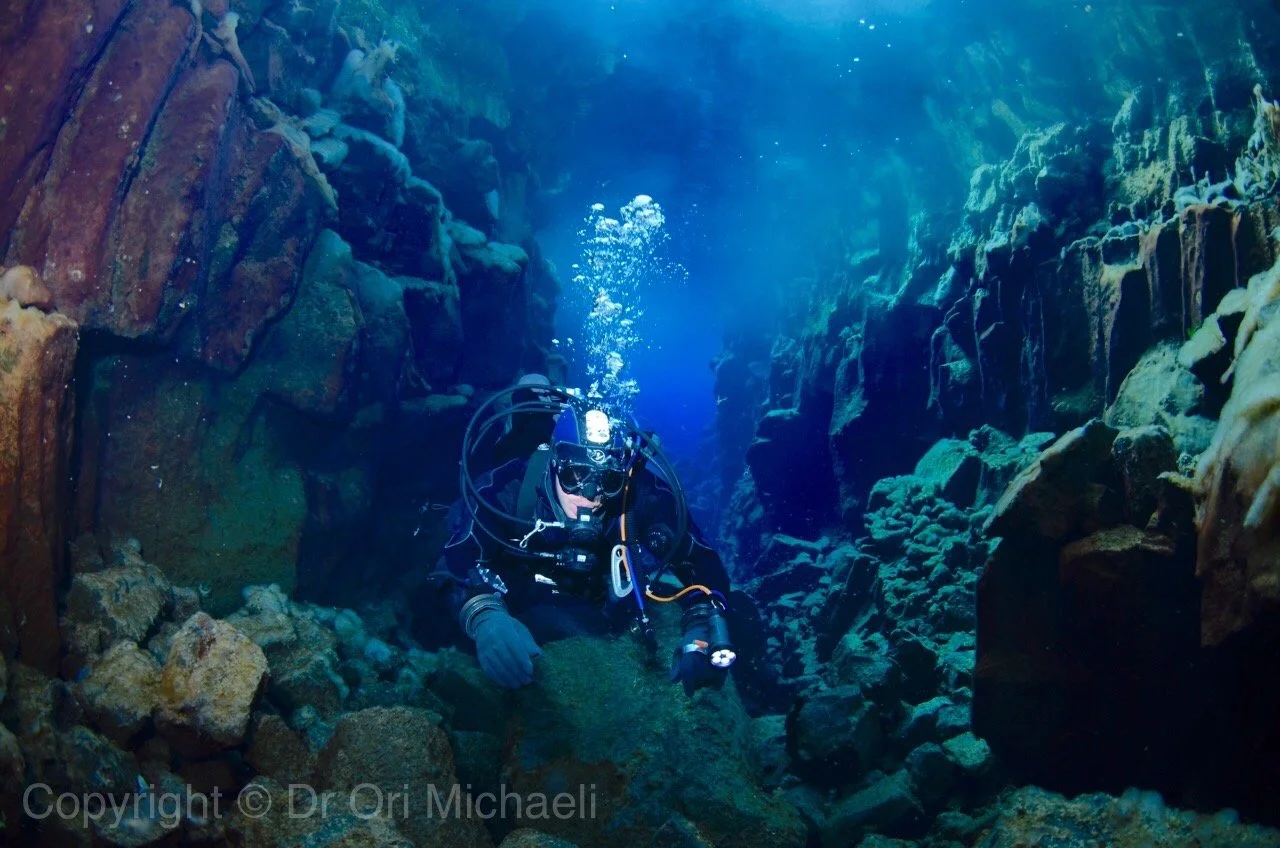
Fed by glacial meltwater that has been naturally filtered through volcanic lava rock for decades, Silfra is renowned for its crystal-clear visibility, often exceeding 100 metres. The water, just 2–4°C year-round, is among the purest on the planet. Despite the icy temperatures, the gentle current, pristine conditions, and extraordinary clarity create an almost weightless sensation, making every dive feel surreal.
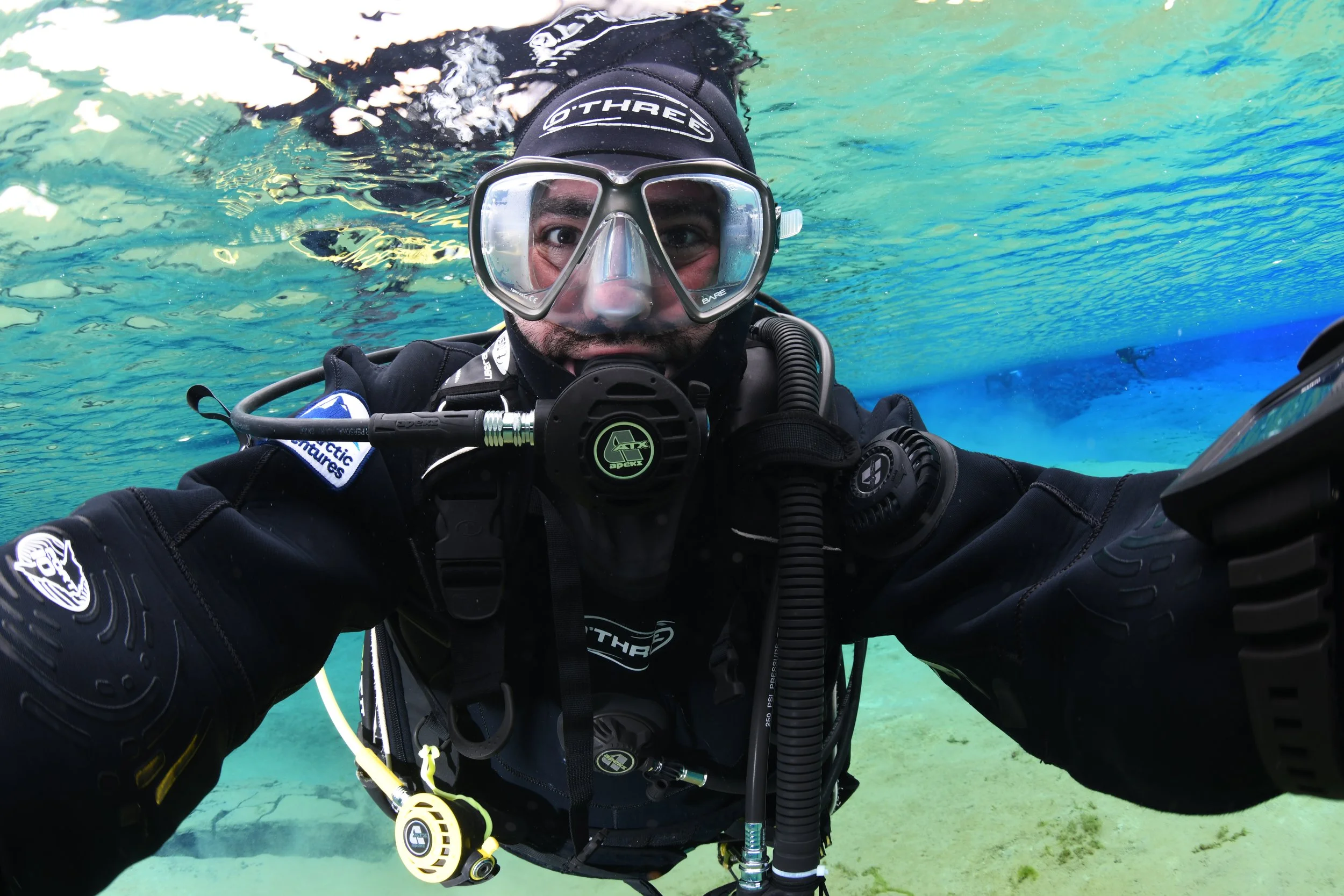
Having dived Silfra on multiple occasions, I can confidently say that each visit is as unforgettable as the last. Drifting effortlessly through the narrow canyon, surrounded by vibrant shades of blue and incredible rock formations, is an experience unlike any other. The sensation of floating between two tectonic plates while immersed in some of the clearest water on Earth is both humbling and awe-inspiring.
Silfra is more than a dive site—it is a place where geology, nature, and adventure come together, offering a rare opportunity to witness the Earth’s continuous evolution beneath the surface. It is, without question, one of the most extraordinary underwater destinations I have ever explored.
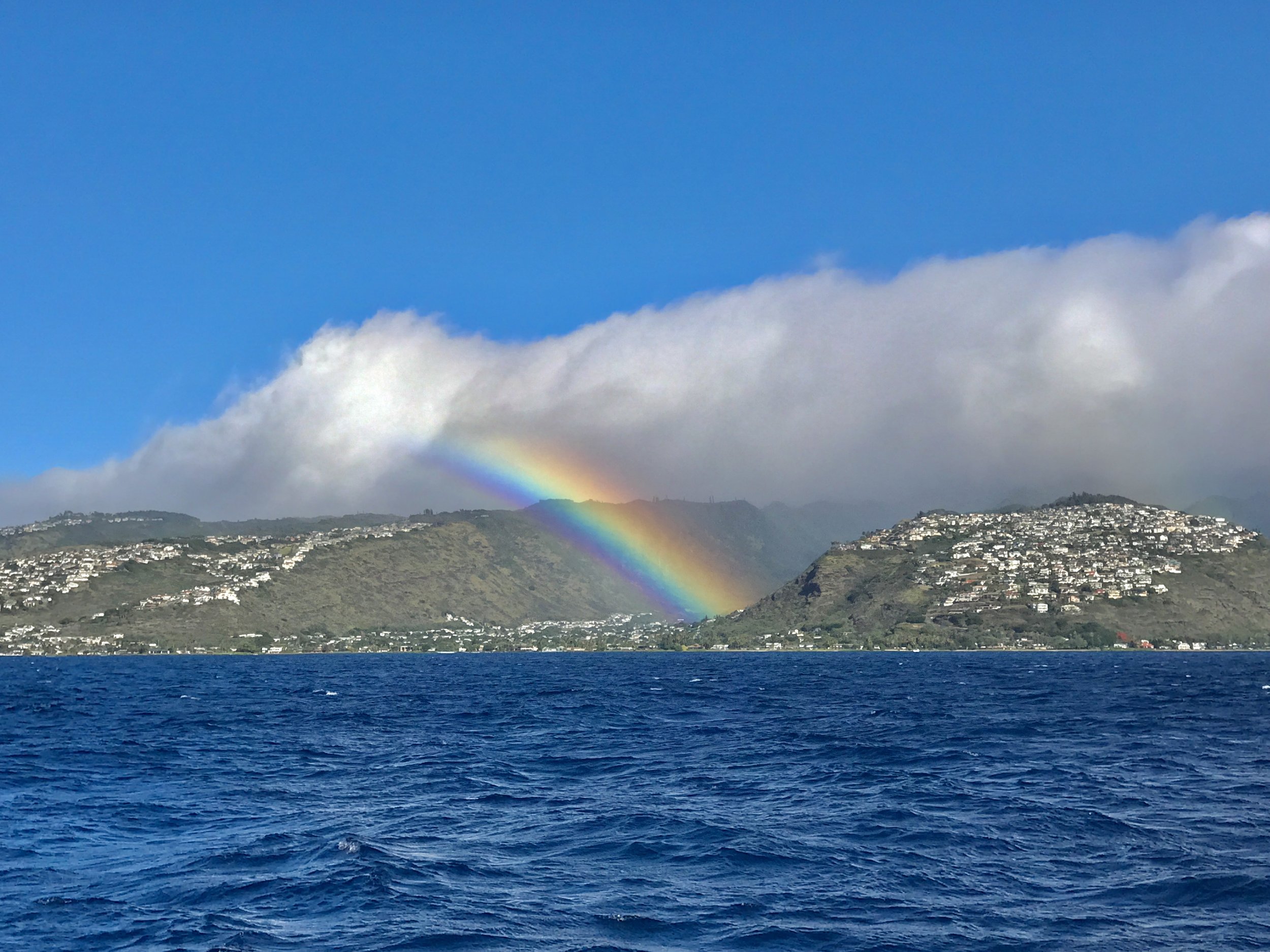
Honolulu, Hawaii 🇺🇸
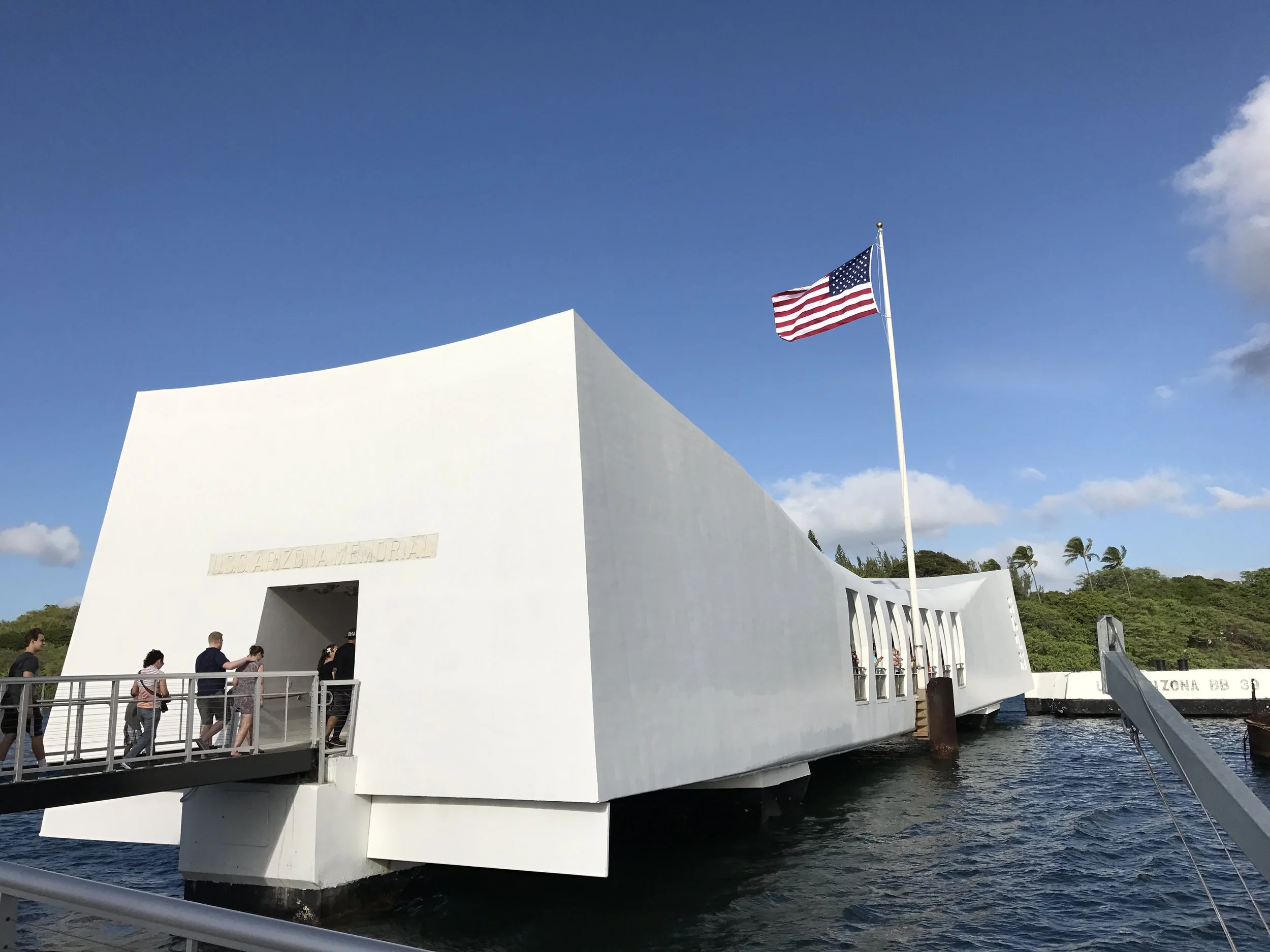
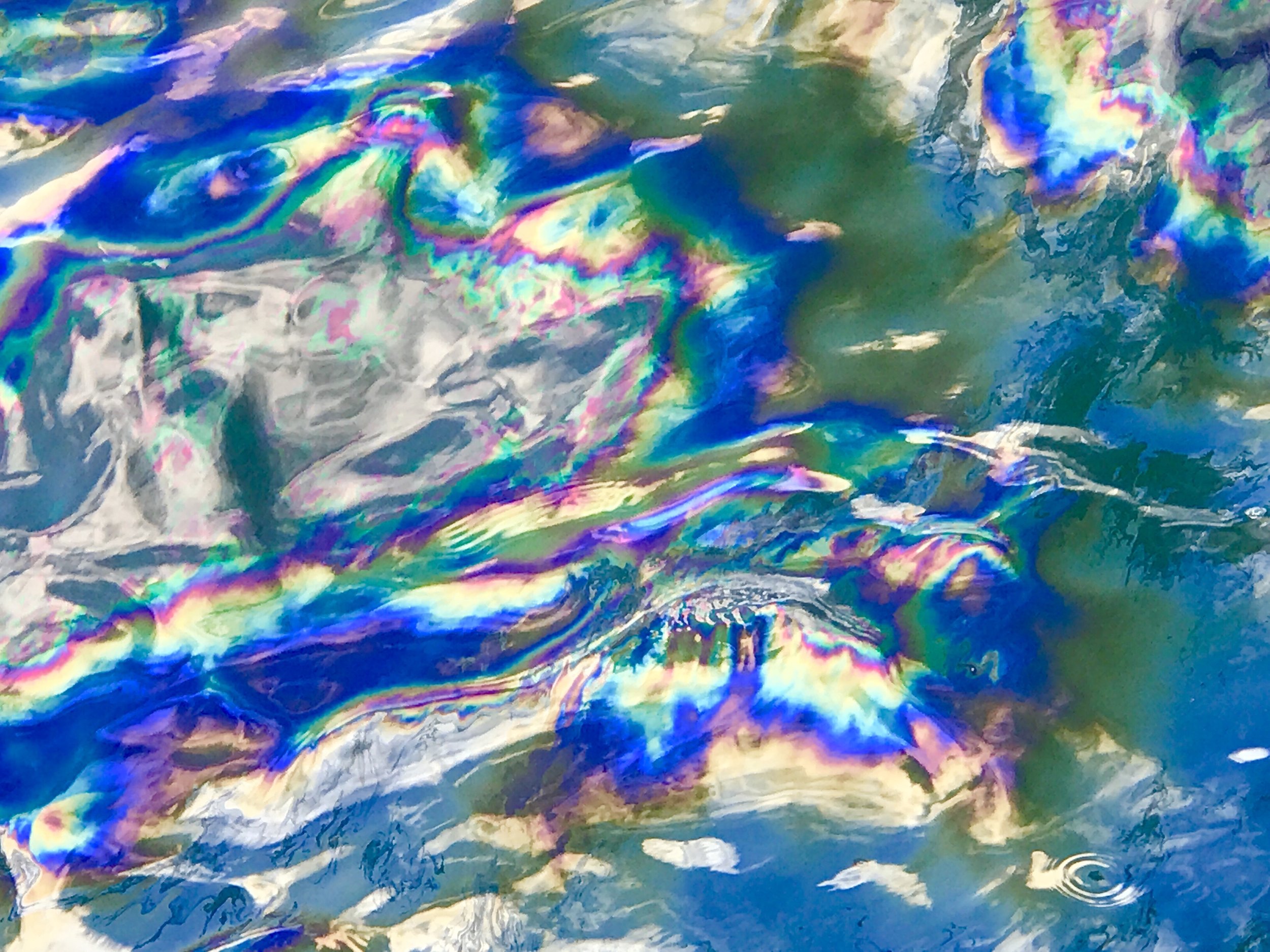
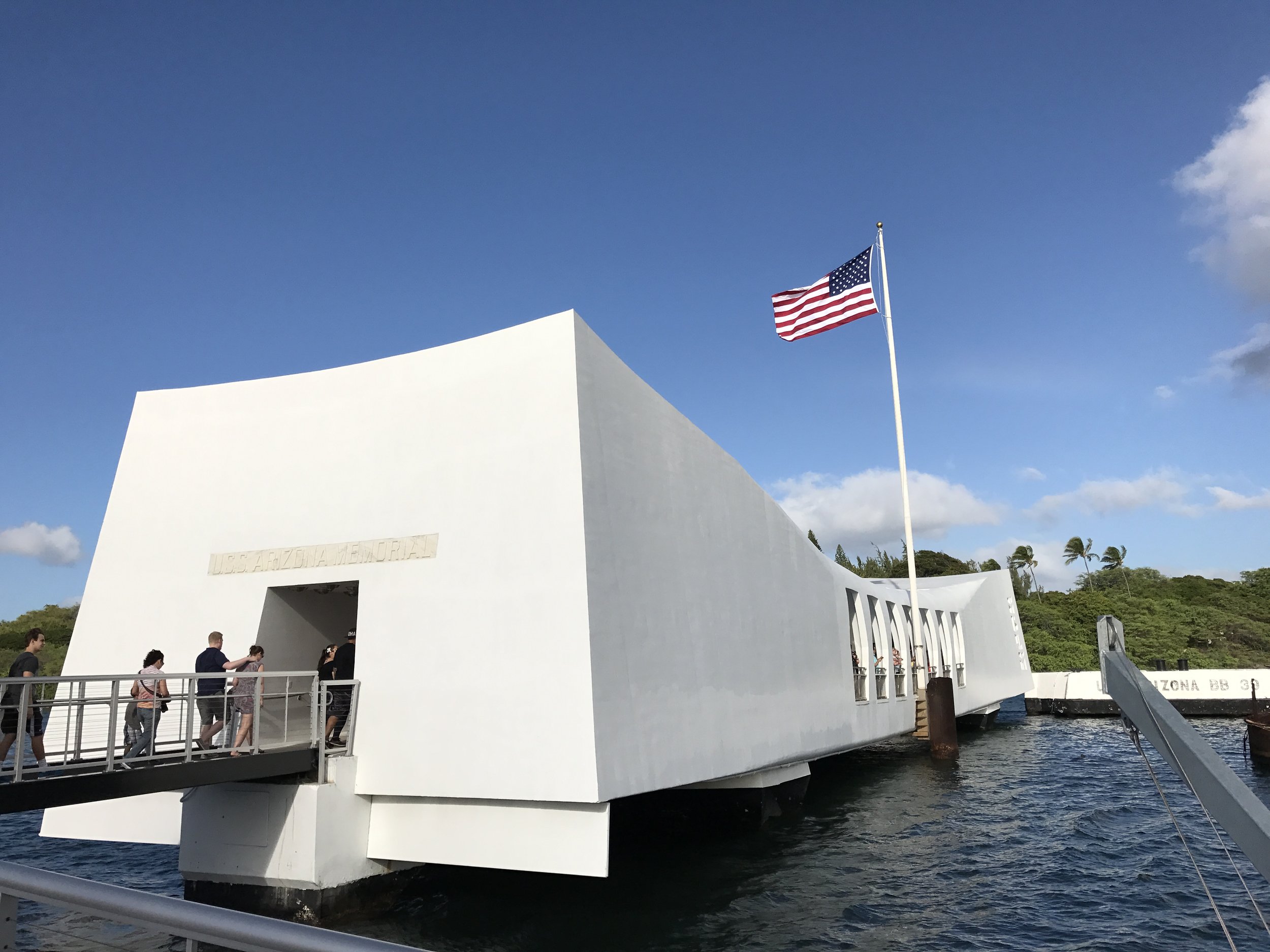
Few places in the world carry the historical significance of Pearl Harbor. On 7 December 1941, the surprise attack on the United States Pacific Fleet changed the course of history, bringing the United States into the Second World War. Today, Pearl Harbor stands as both a place of remembrance and a symbol of resilience, where history is preserved above and below the water.
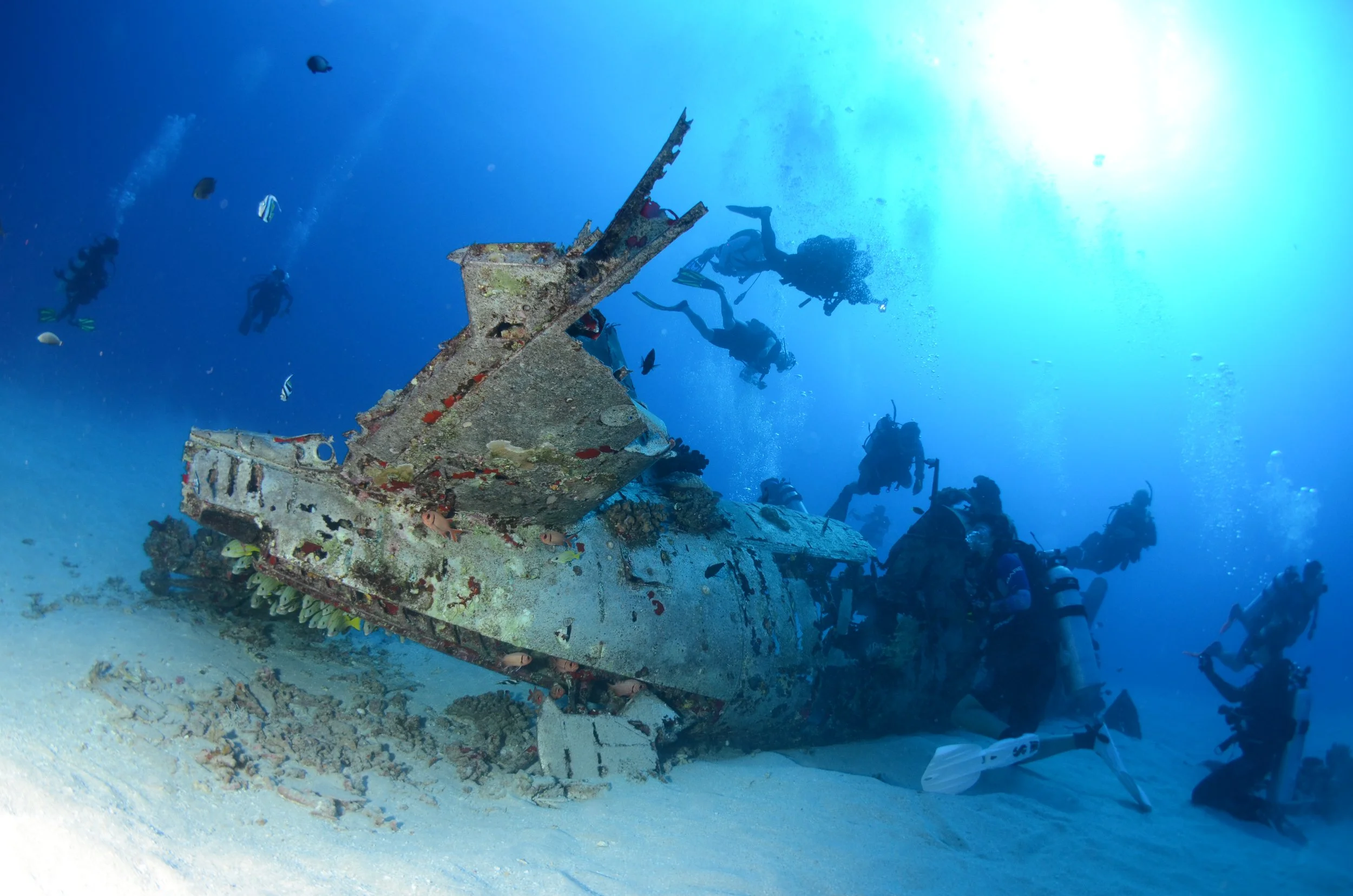
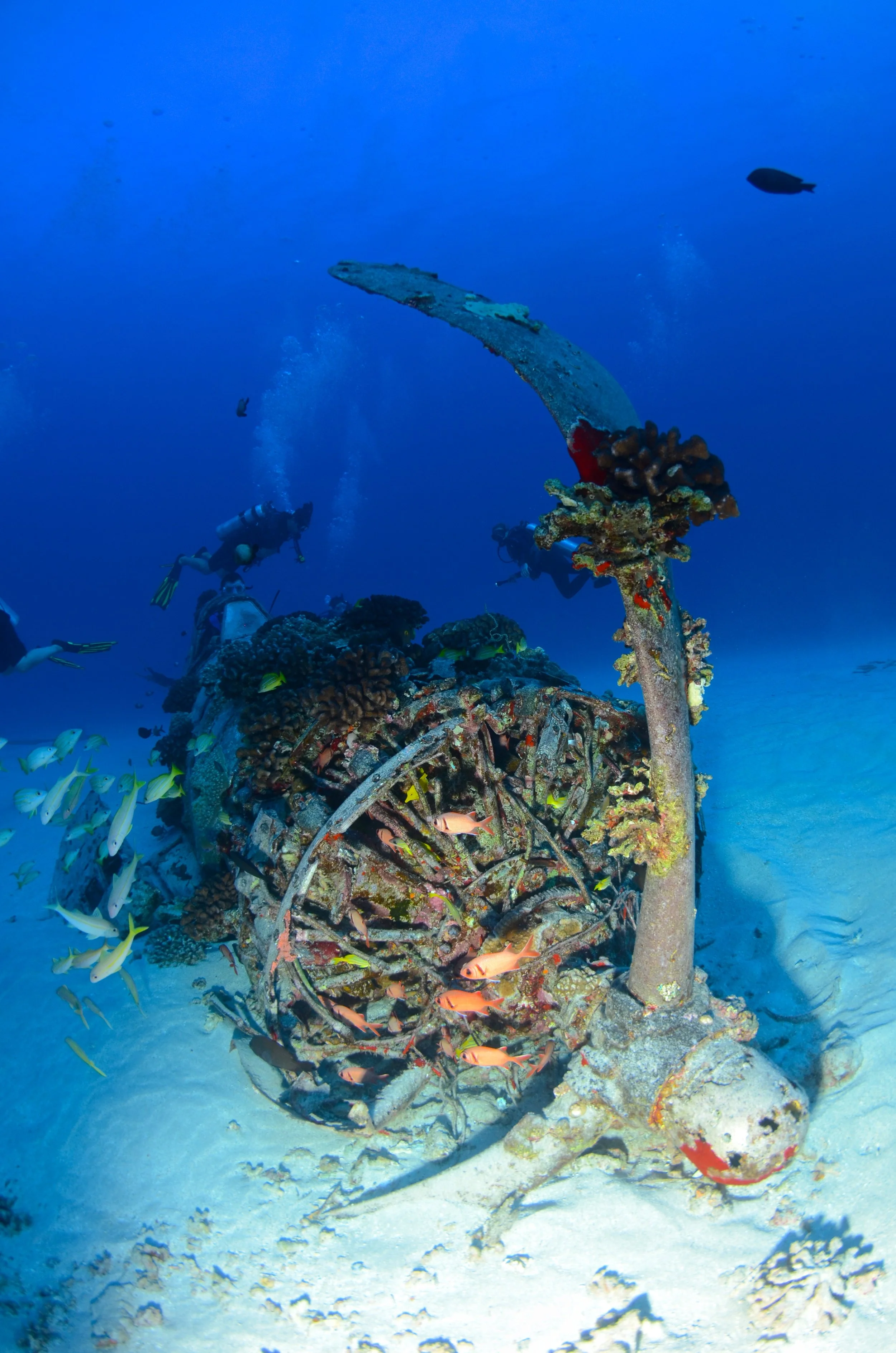
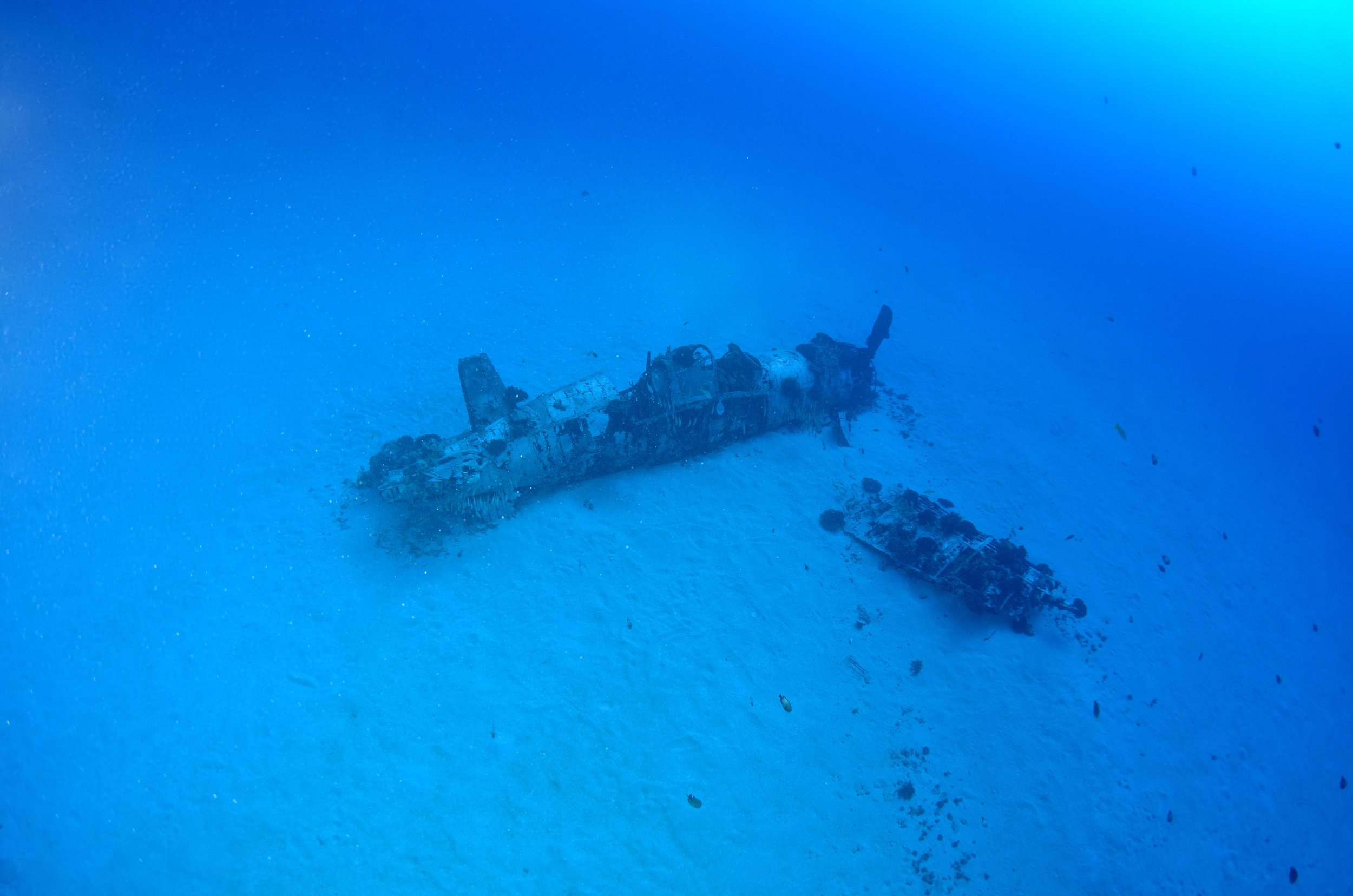
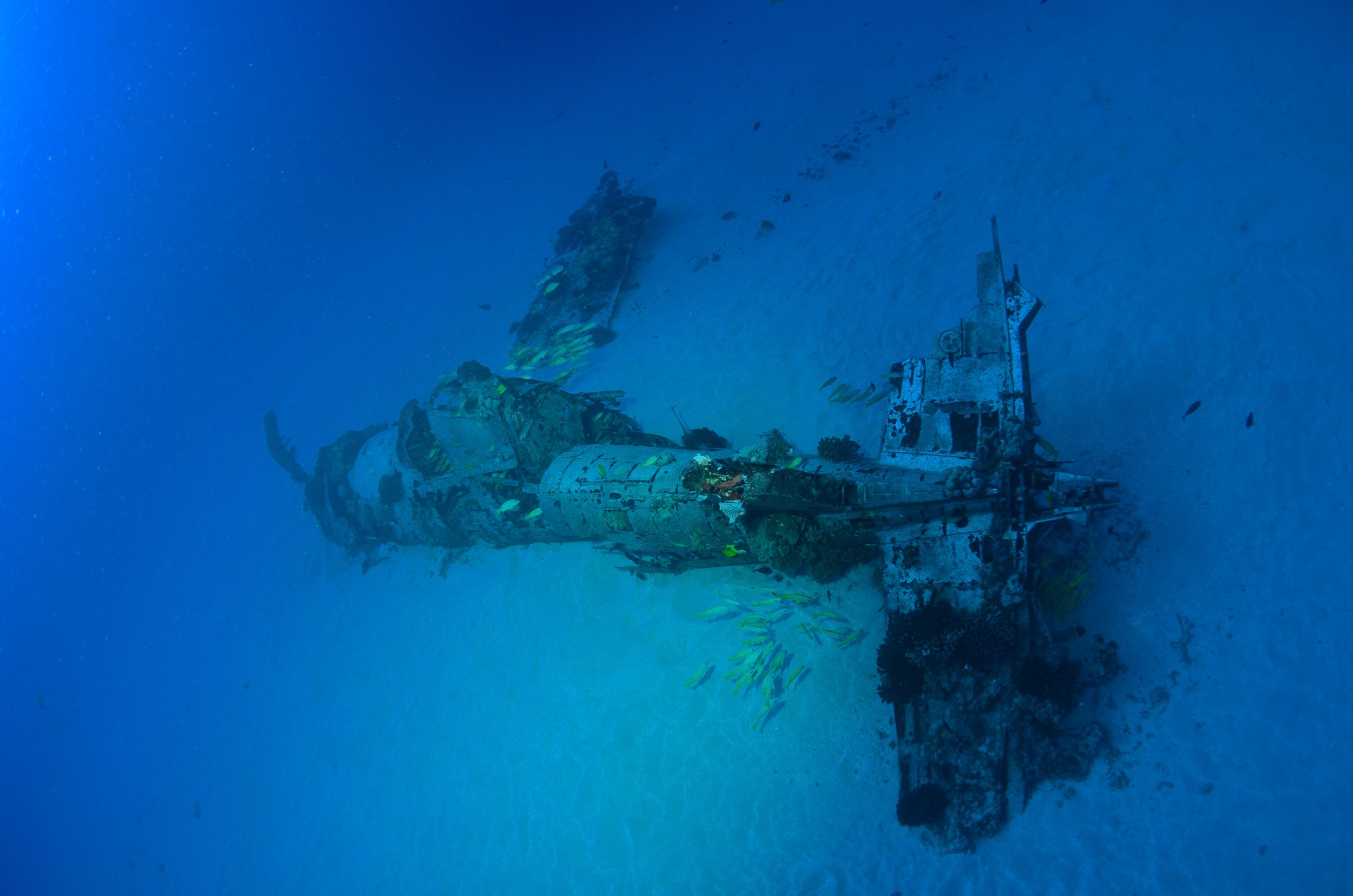
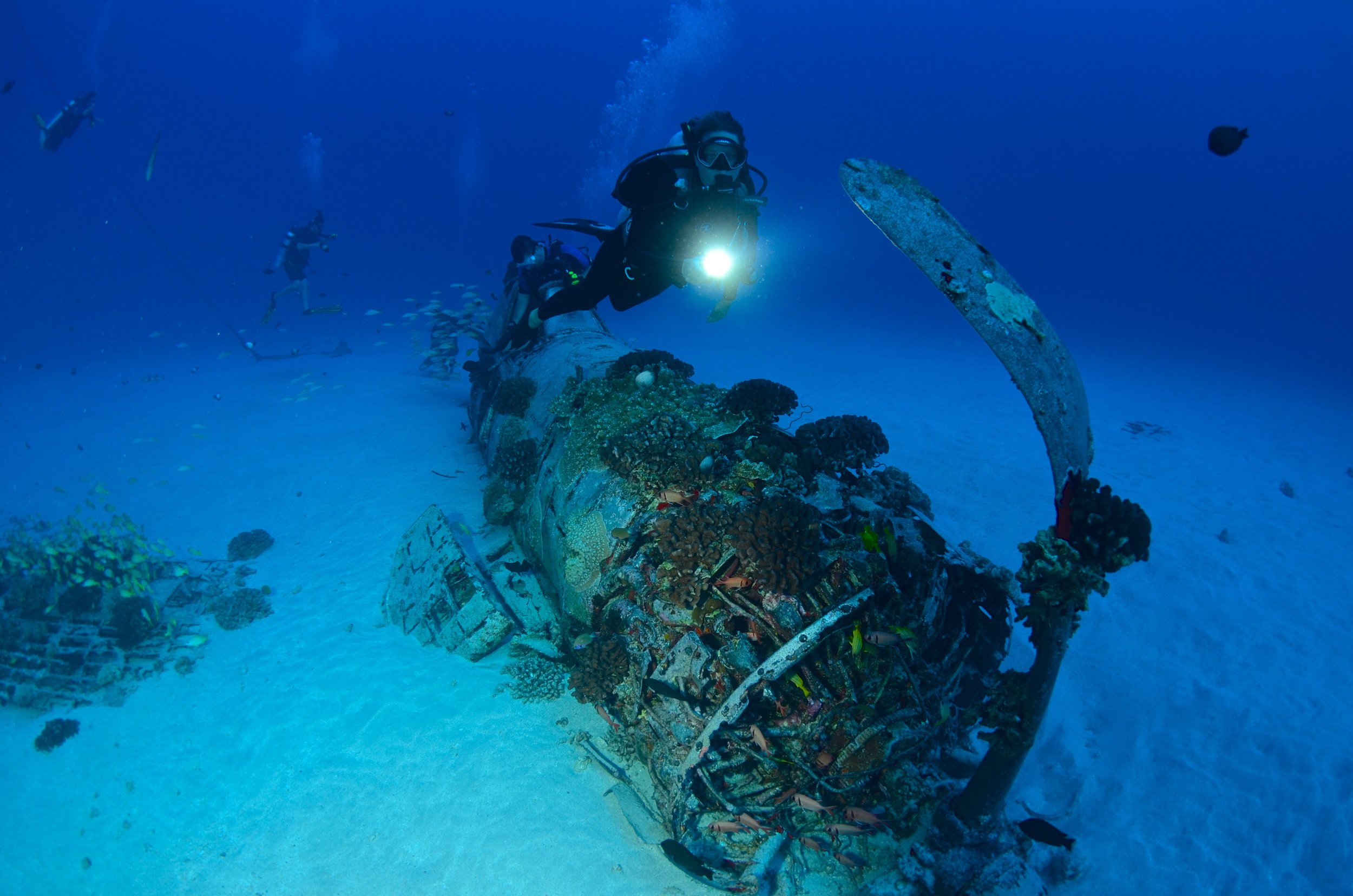
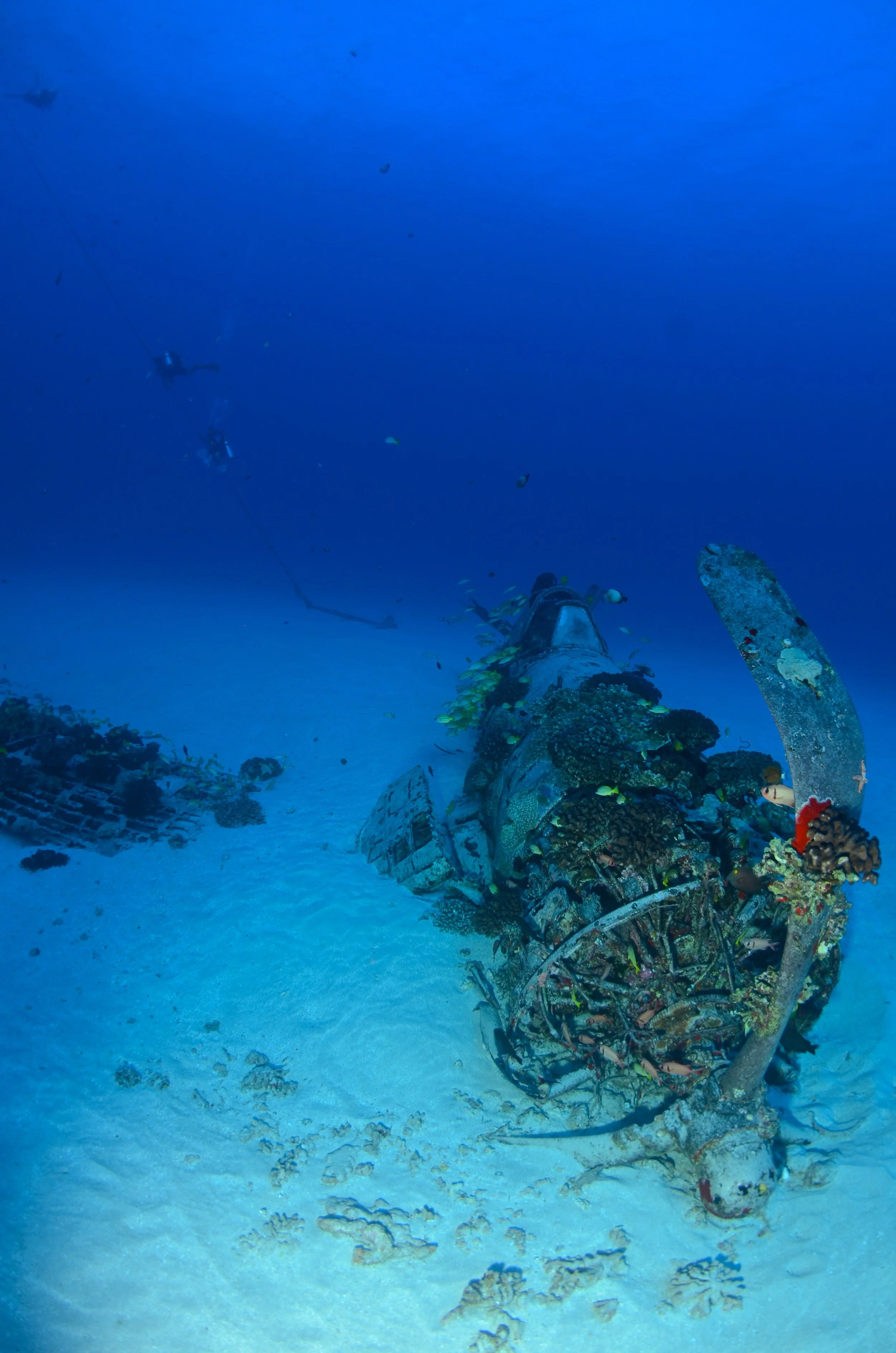
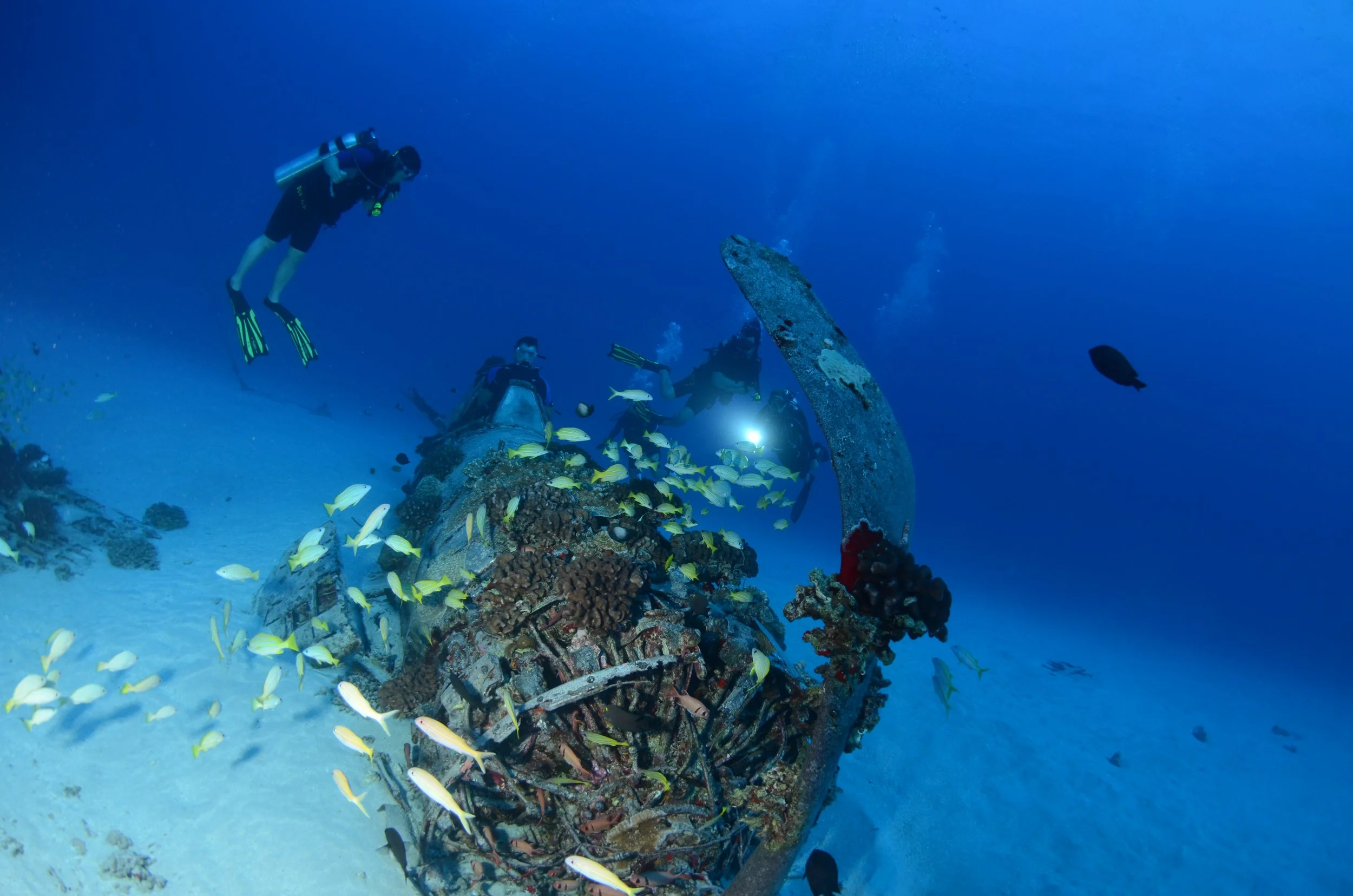
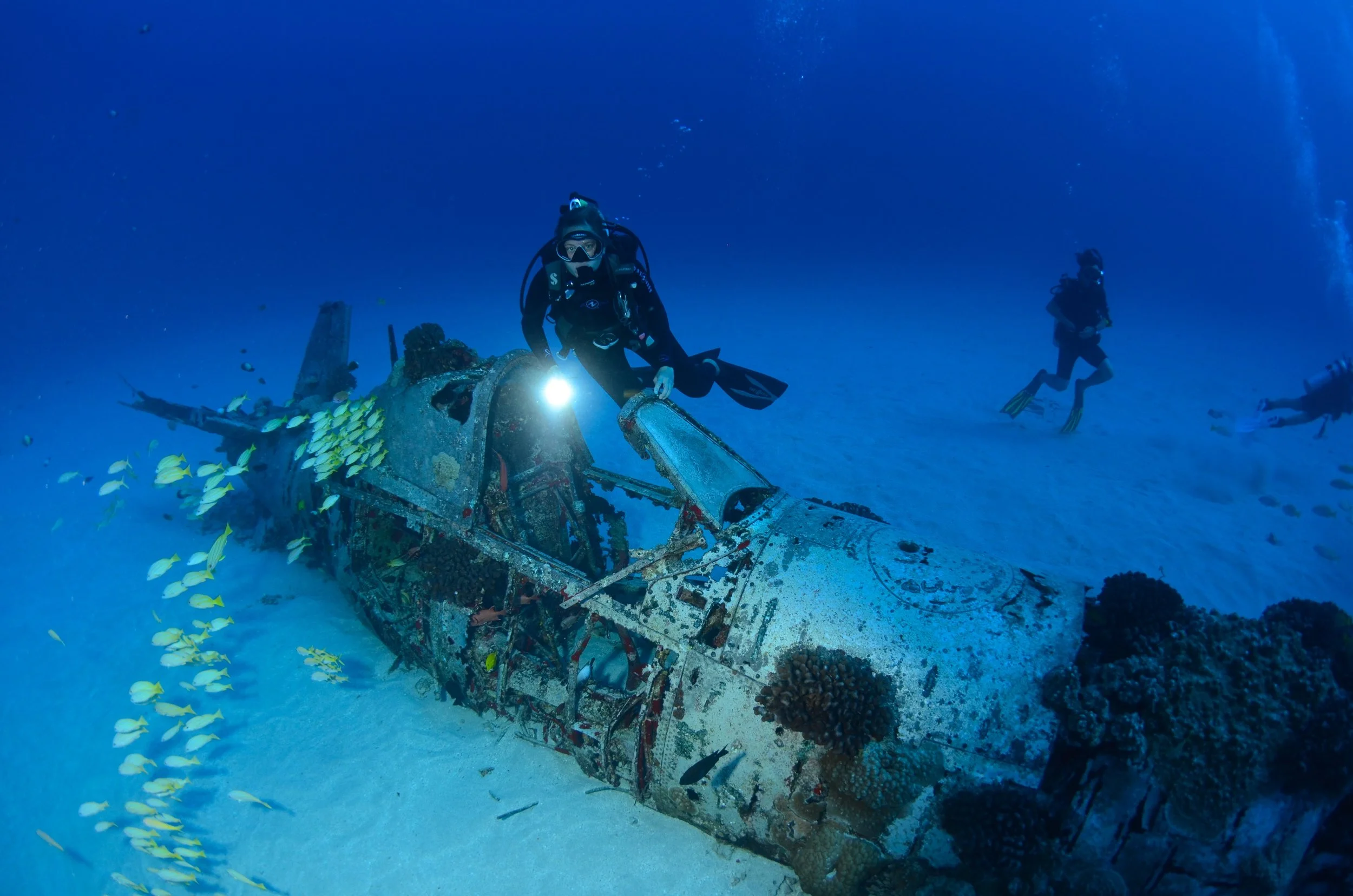
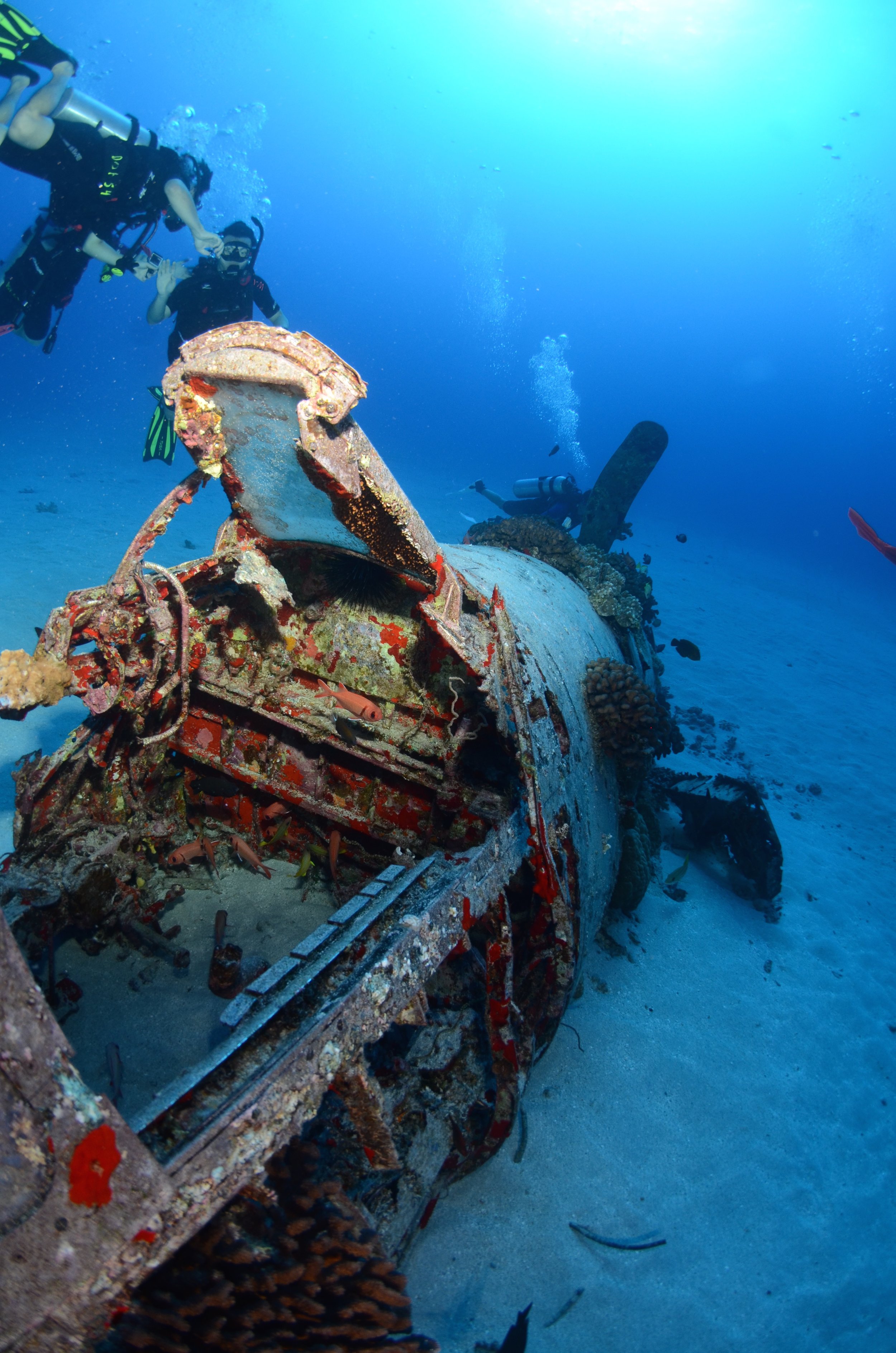
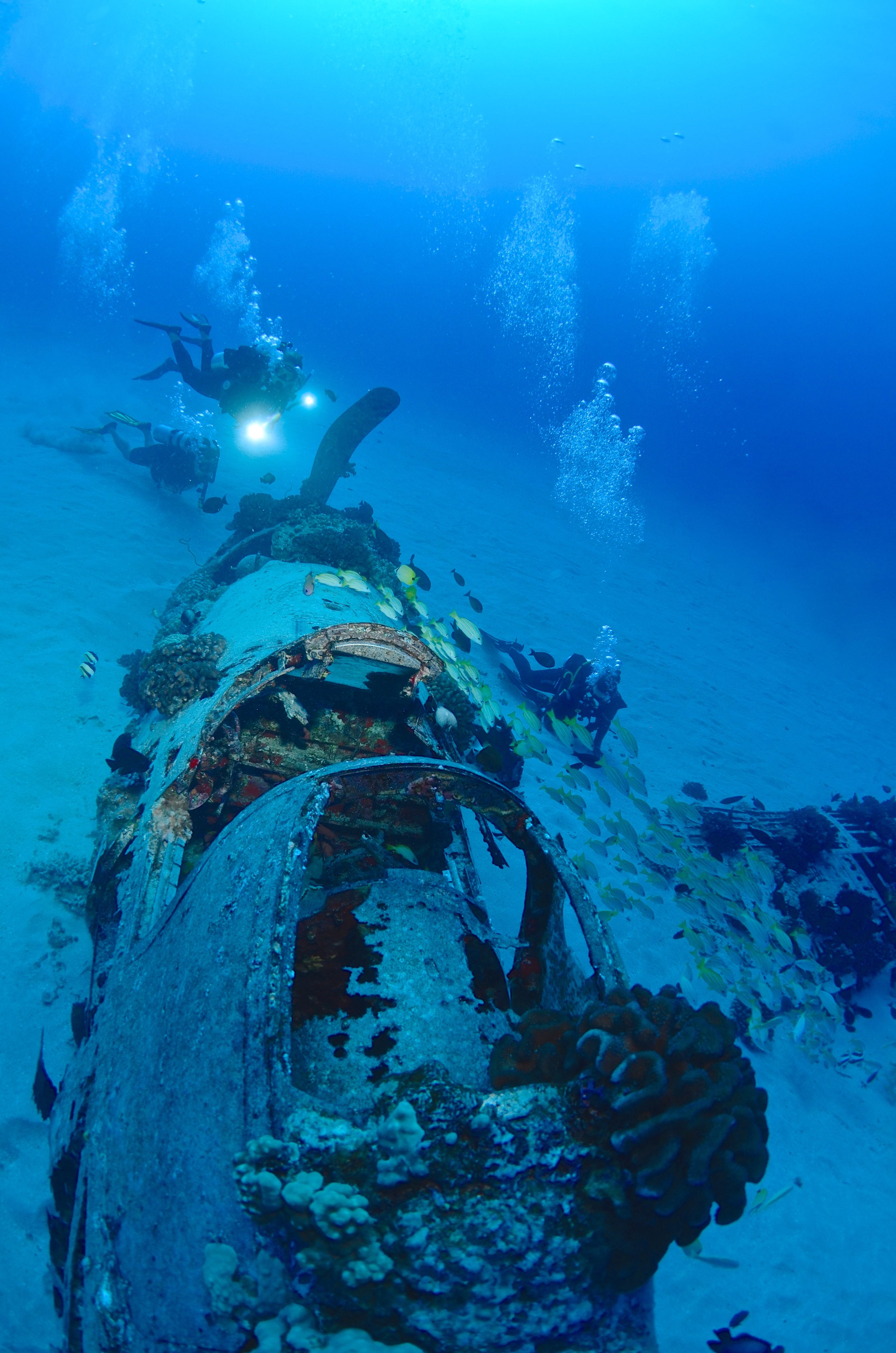
One of the fascinating underwater sites in Honolulu Bay is the Corsair aircraft wreck. Resting quietly on the seabed, this historic aircraft provides a rare opportunity to dive a piece of aviation history while witnessing how nature has gradually reclaimed it. Over the years, the aircraft has become an artificial reef, supporting a variety of marine life that now surrounds and inhabits its structure.
Descending onto the wreck is a unique experience. Seeing an aircraft preserved beneath the sea offers a powerful connection to the past, where history, archaeology, and marine life coexist in remarkable harmony. Every dive is a reminder that these wrecks are more than underwater attractions—they are historical artefacts that deserve respect and preservation.
For me, diving the Corsair aircraft at Pearl Harbor was far more than another wreck dive. It was an opportunity to explore one of the world’s most iconic historical locations and to document a submerged chapter of aviation history in a place that forever changed the course of the twentieth century.