Big Ideas, Real Impact.
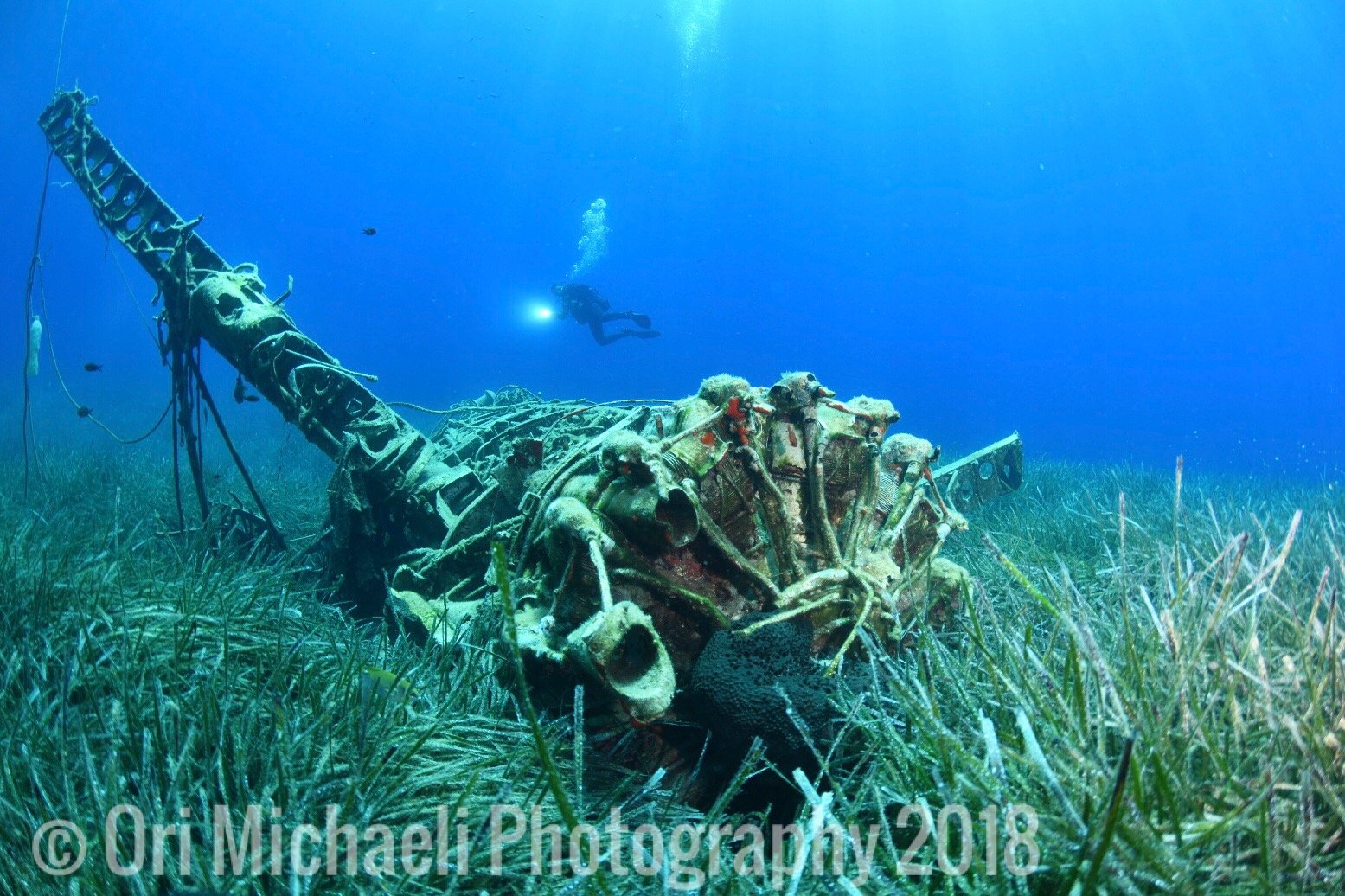
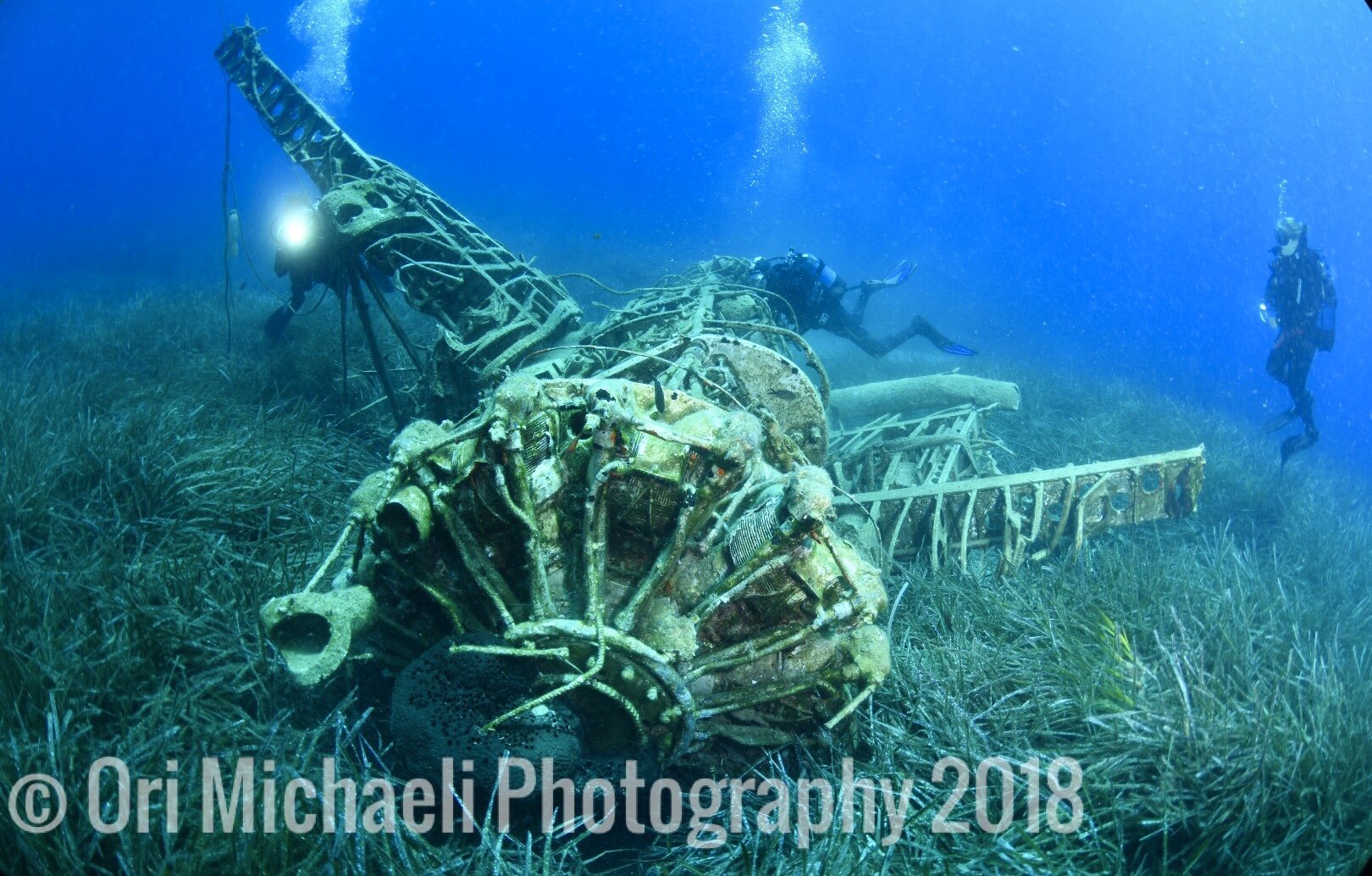
Arado Ar 196, Iraklia, Greece
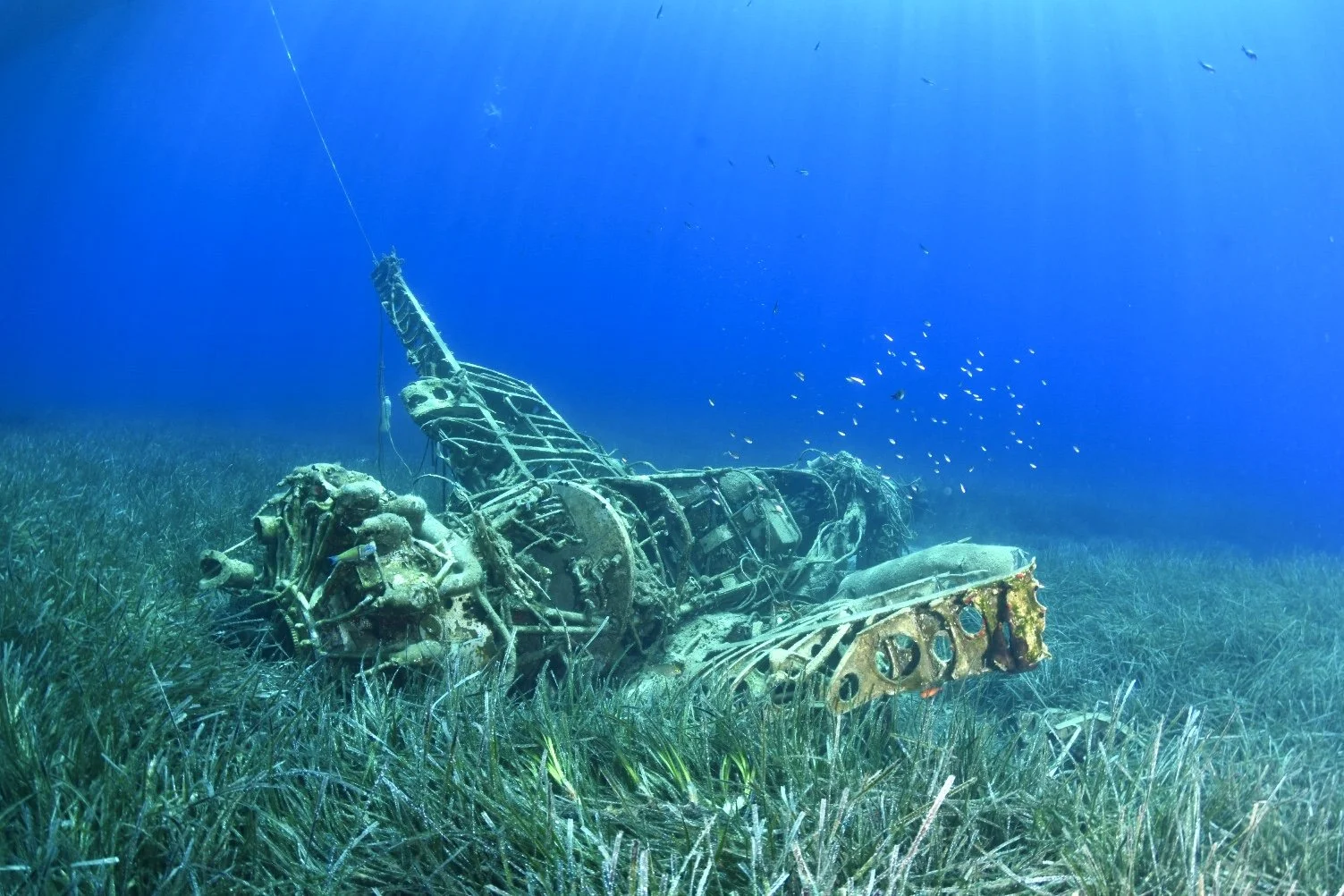
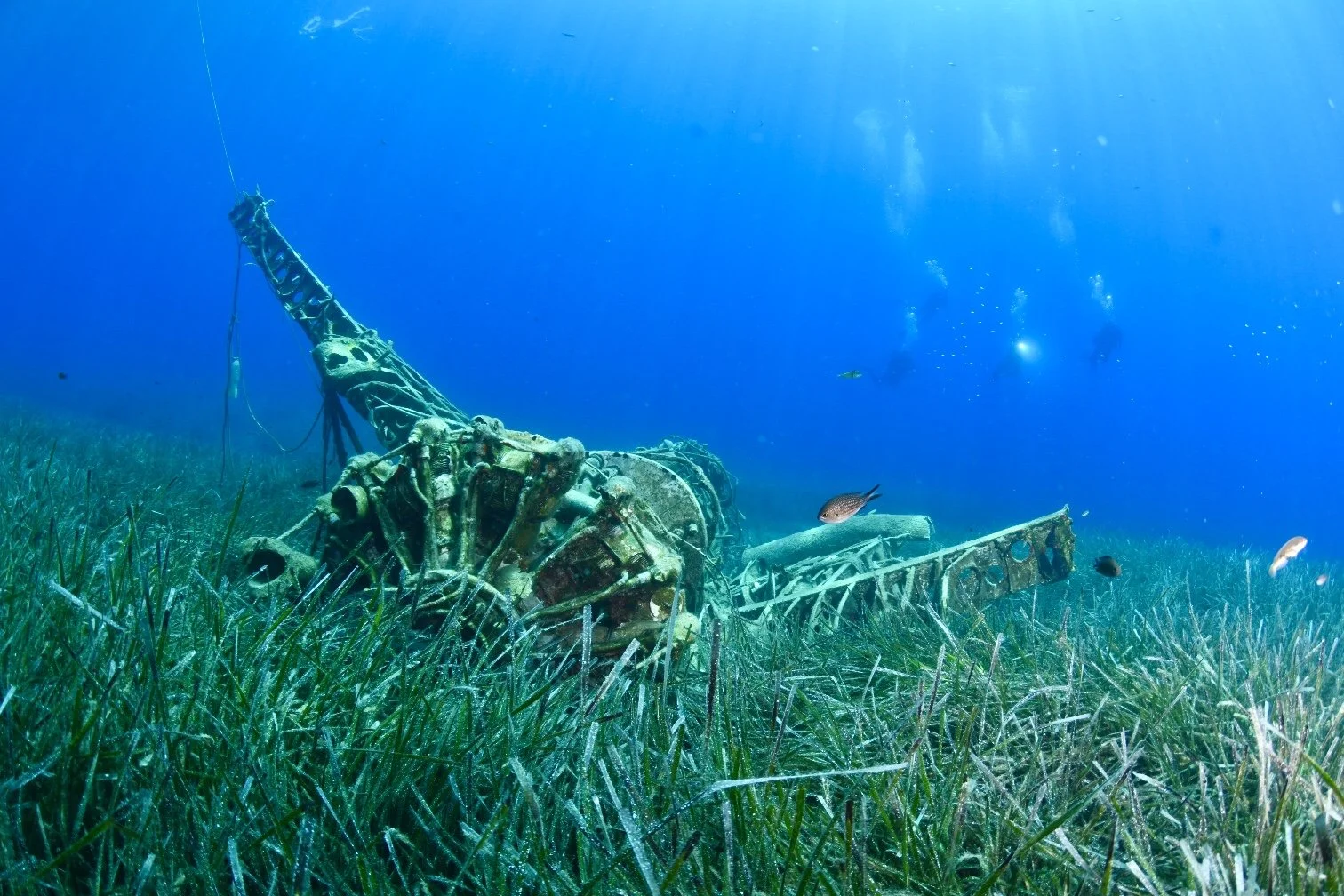
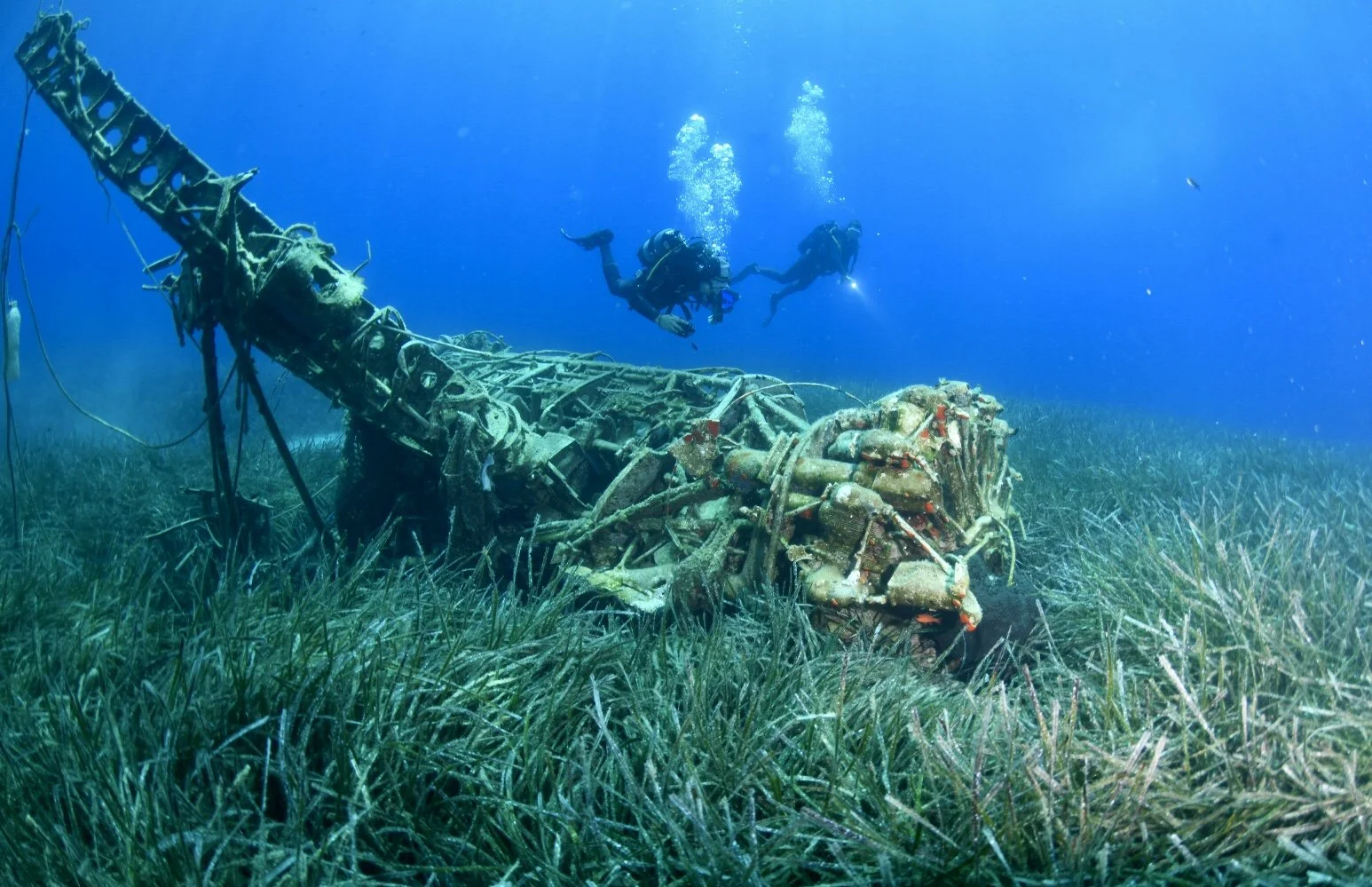
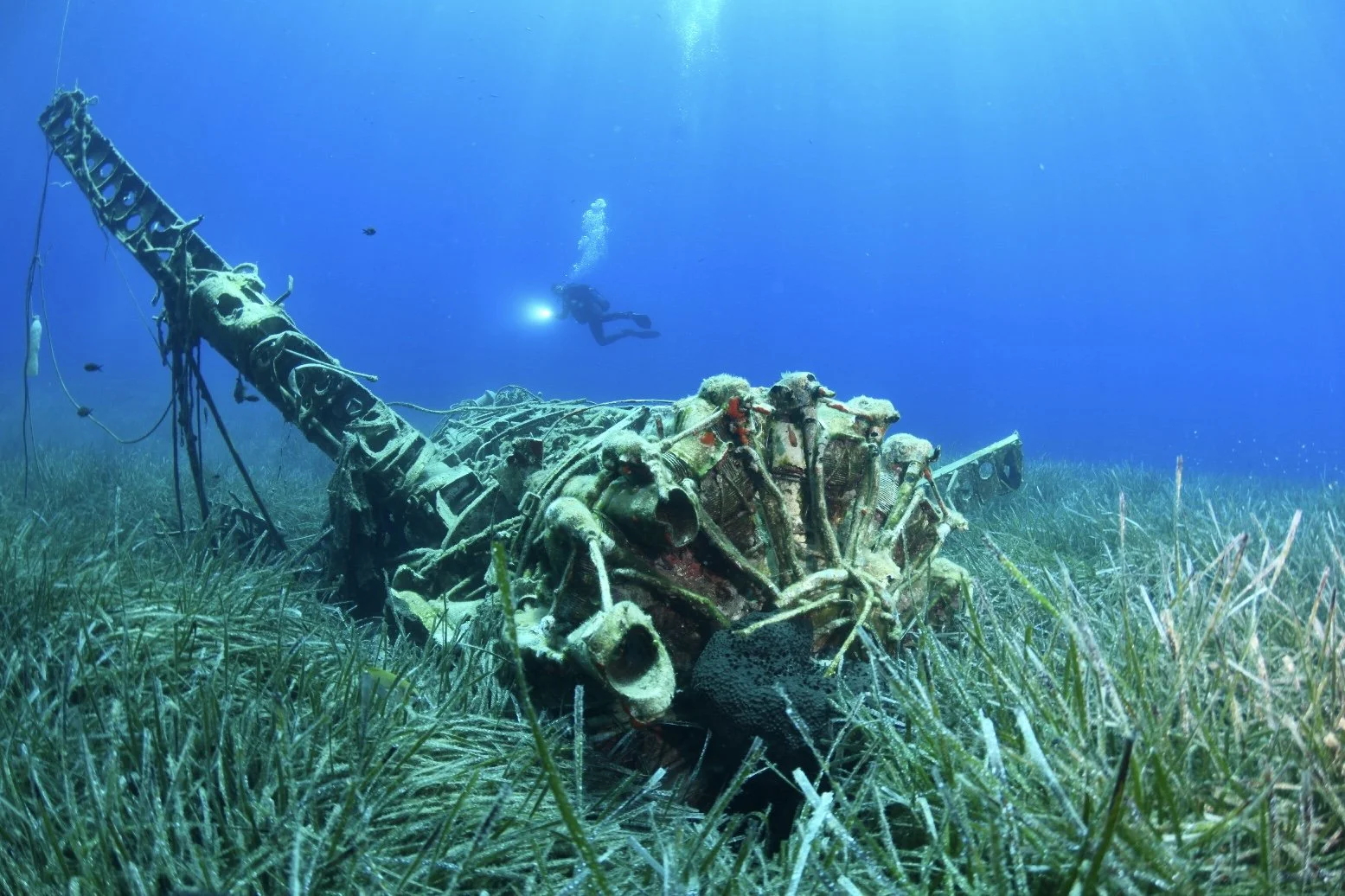
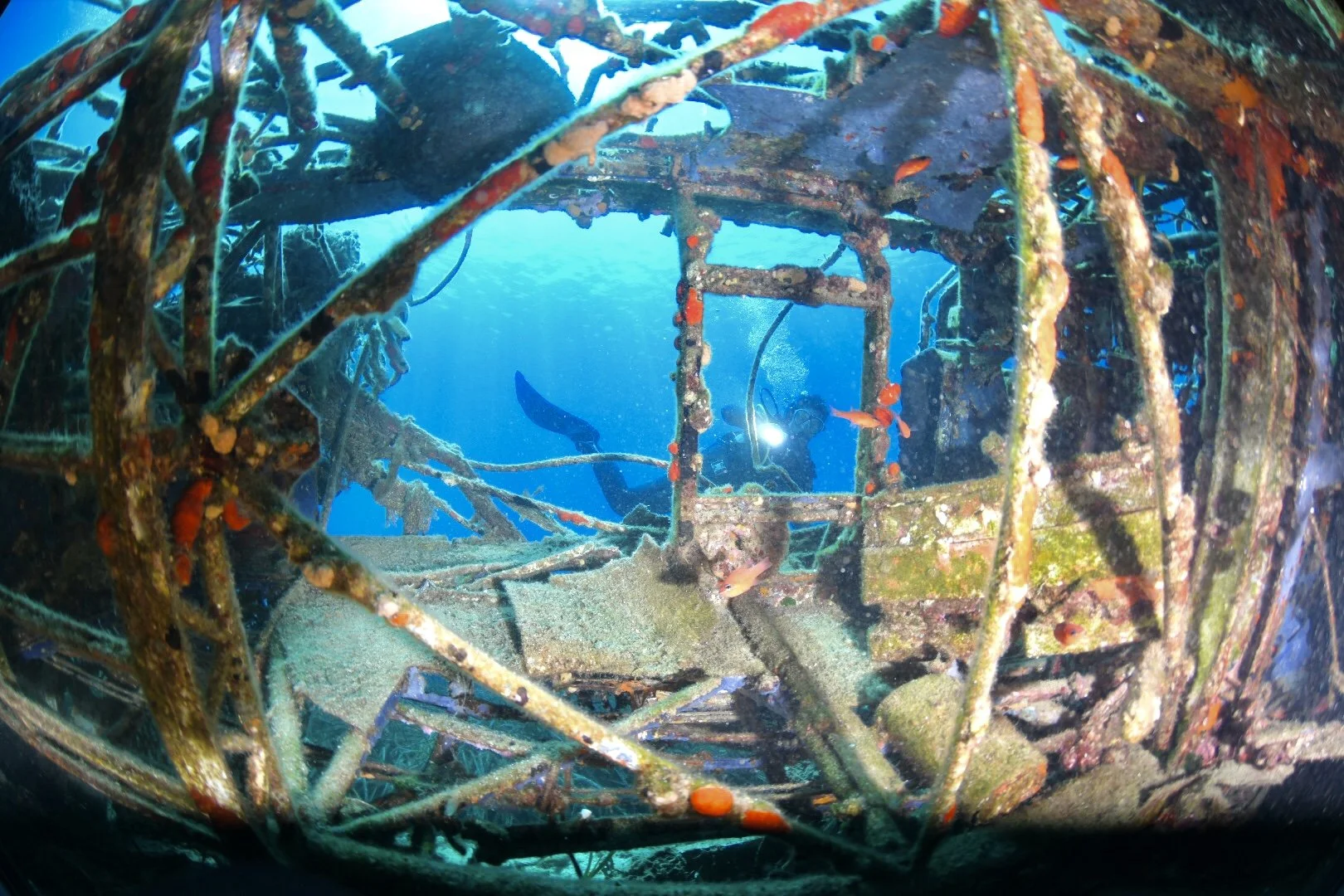
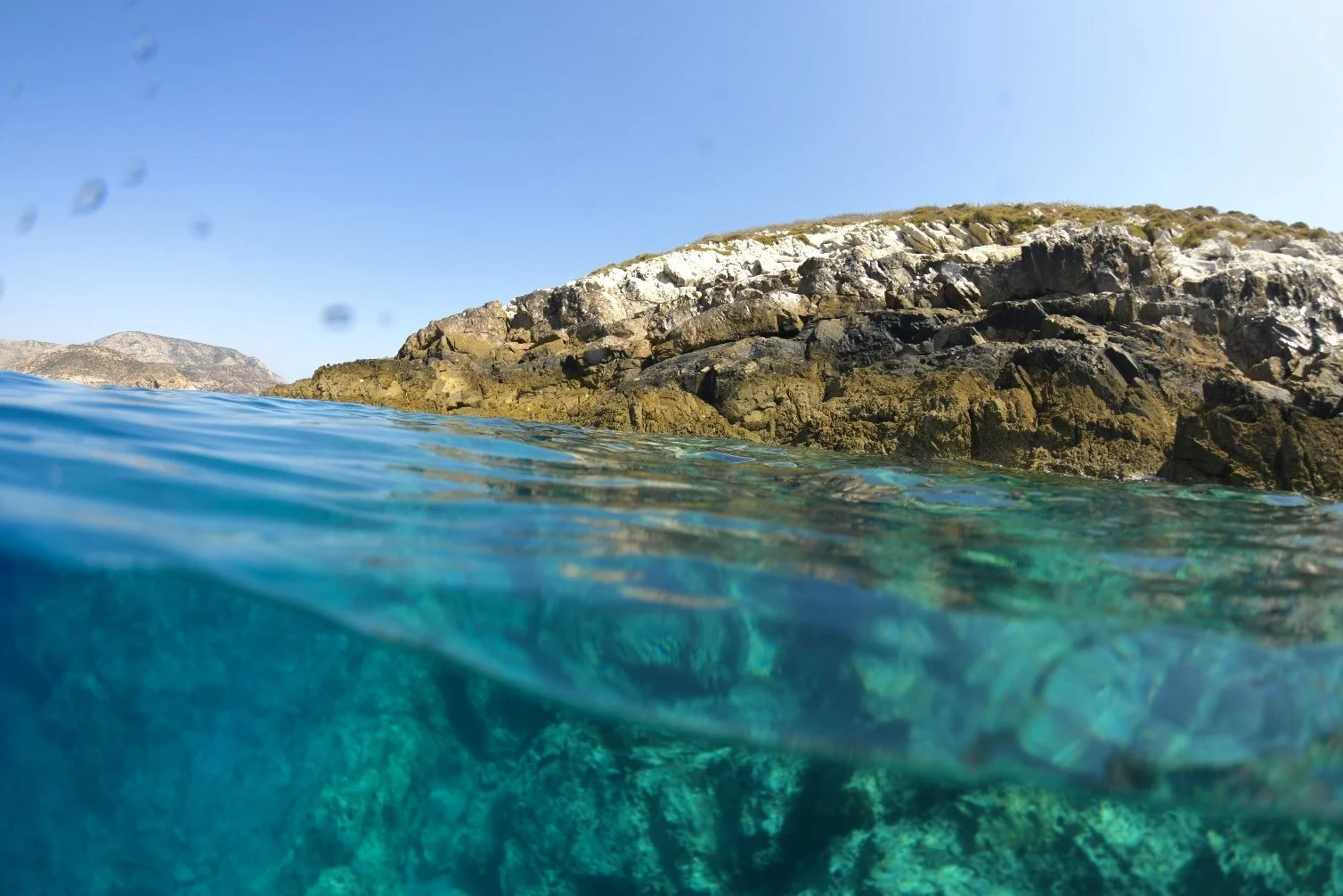
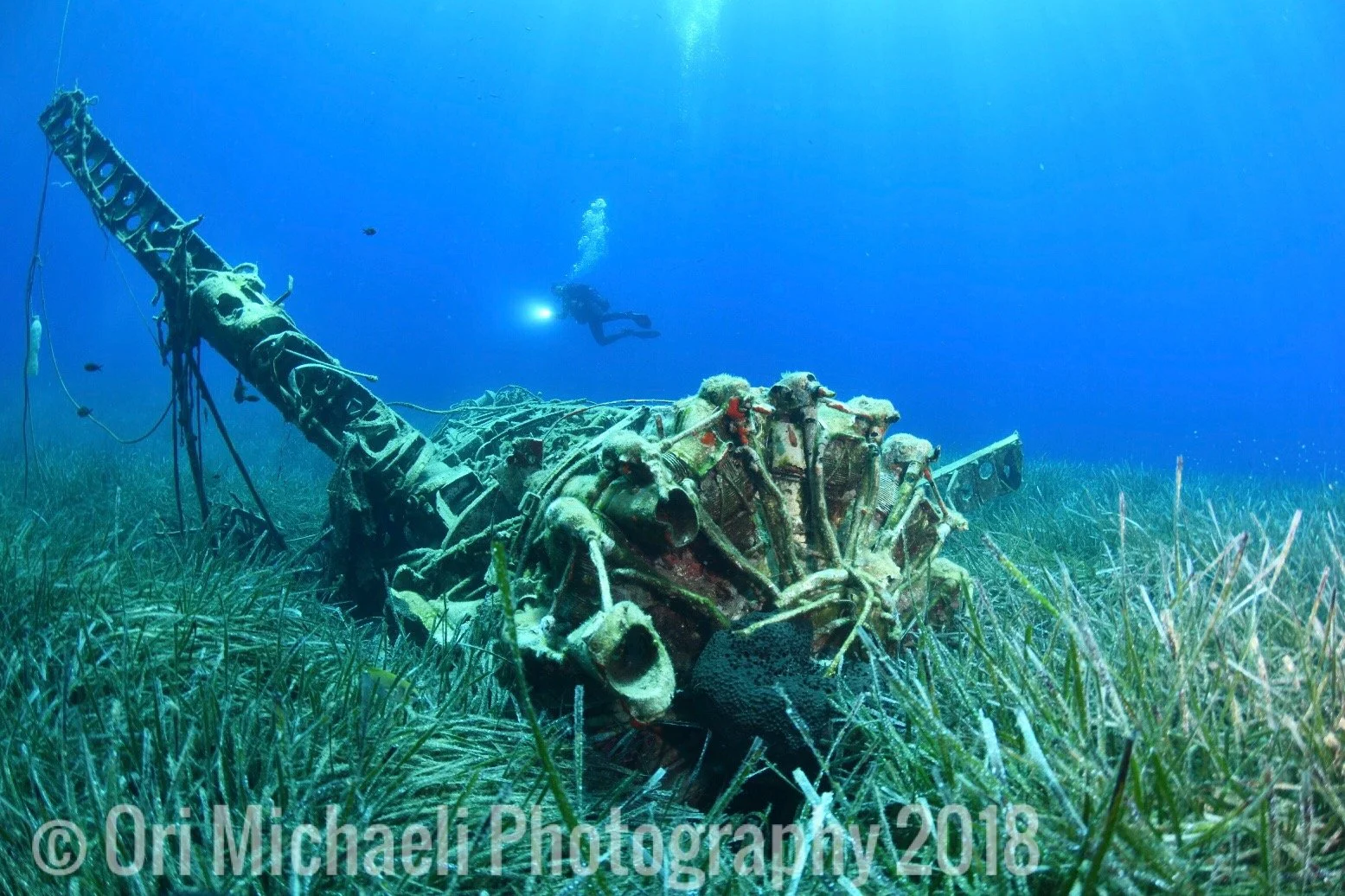
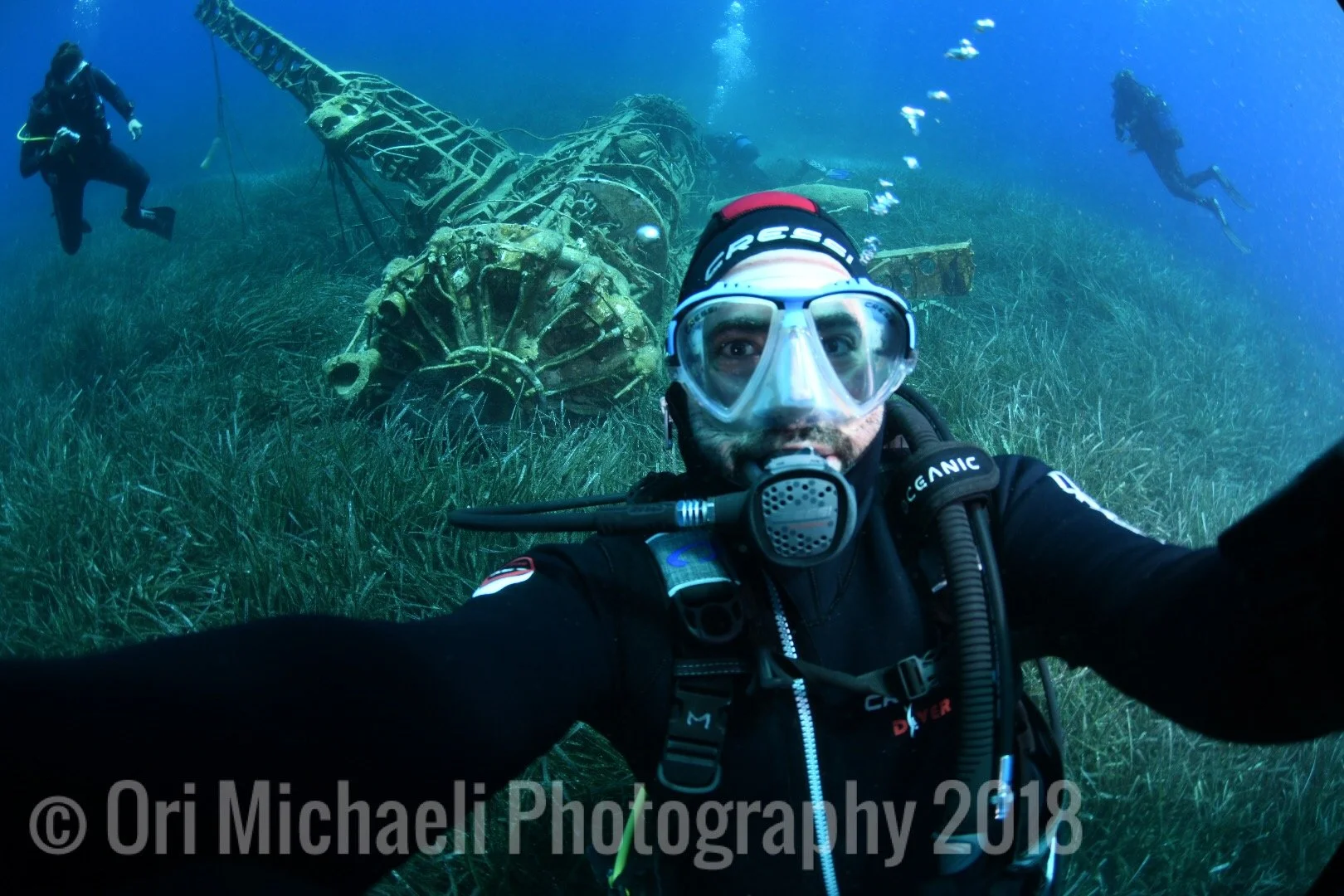
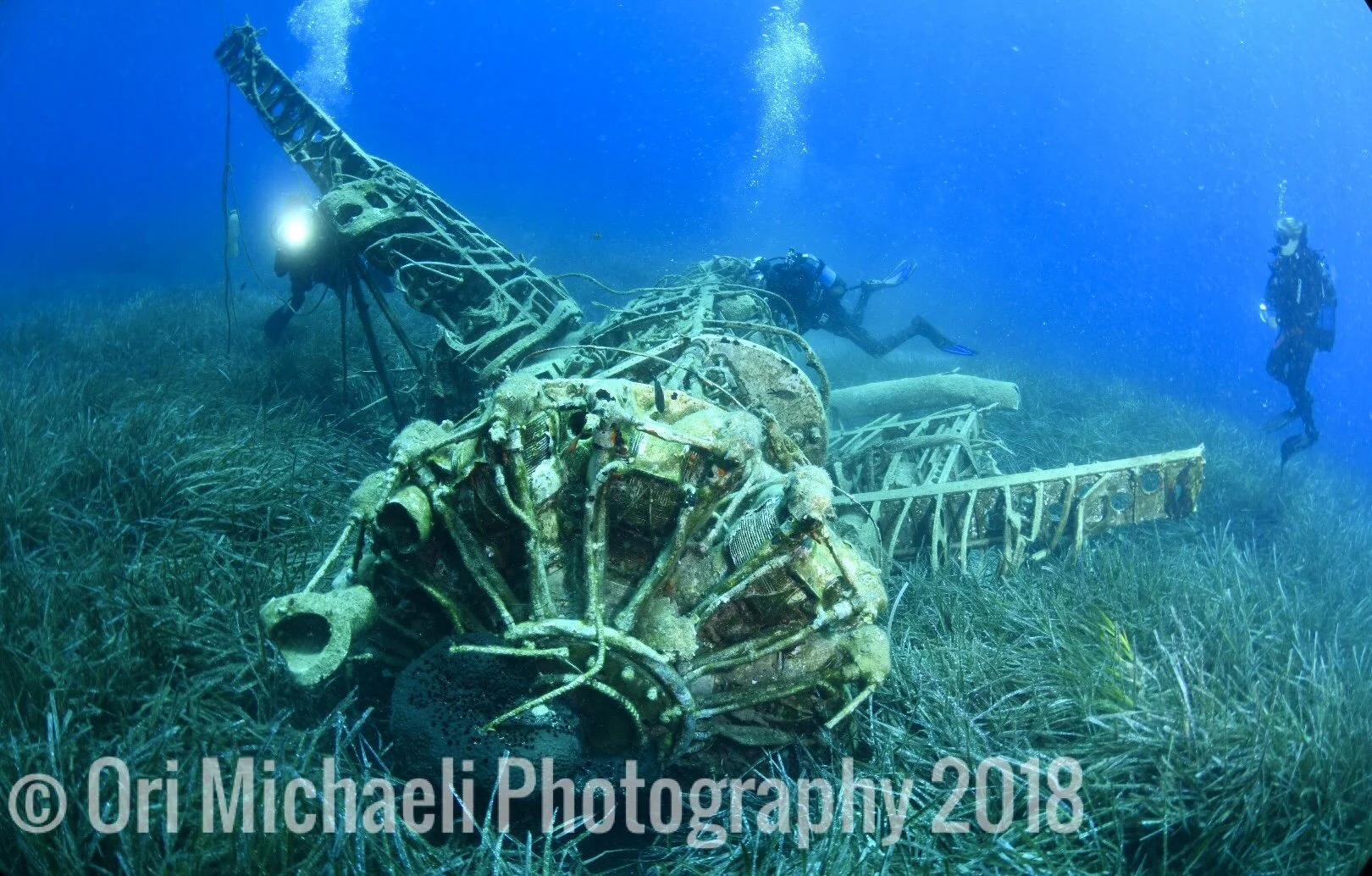
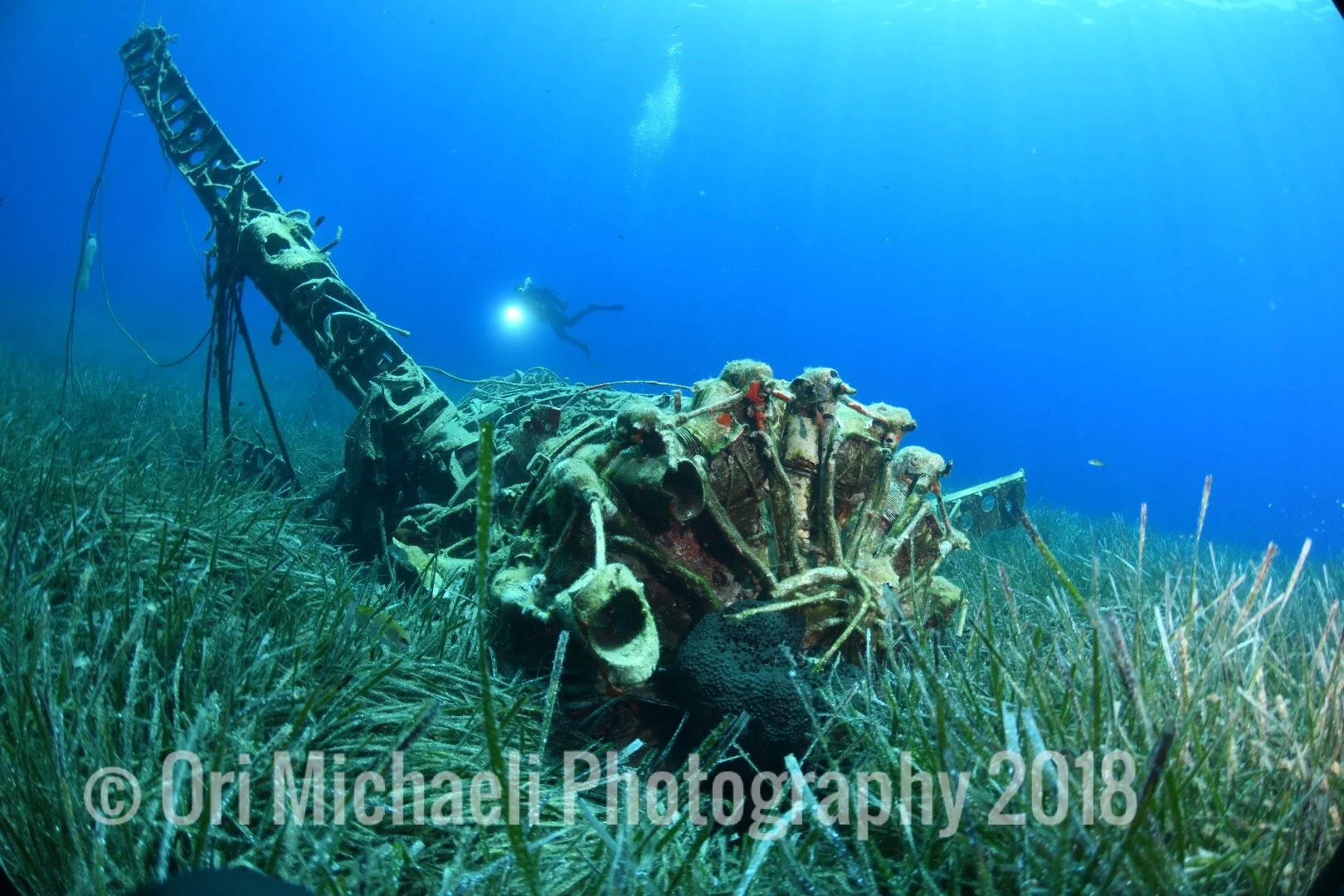
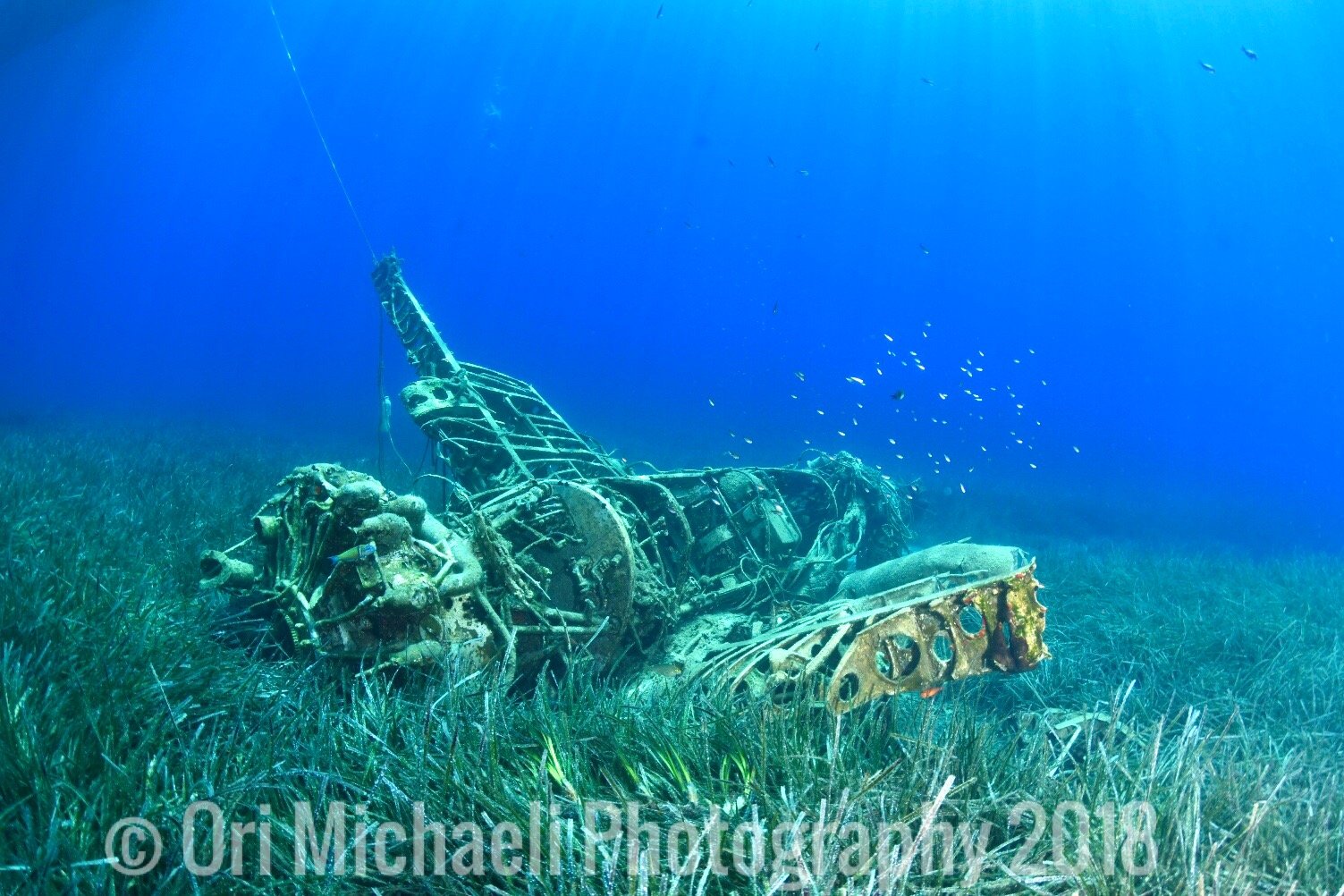
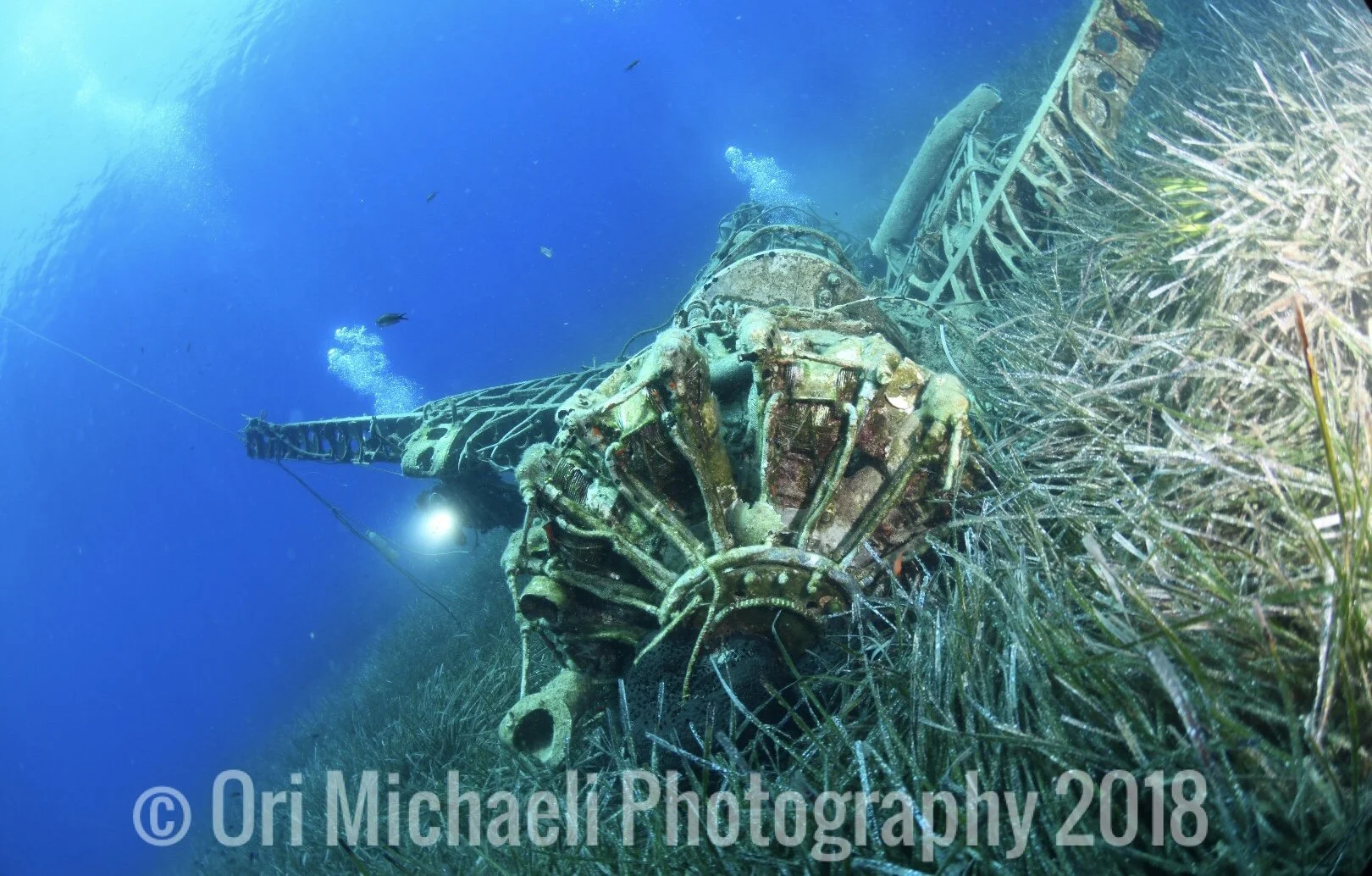
Resting in the sheltered waters of Alimia Bay, near the island of Iraklia in the Cyclades and easily accessible from Naxos, lies one of Greece’s most fascinating underwater aviation relics—the Arado Ar 196. This German reconnaissance floatplane, used extensively by the Kriegsmarine during the Second World War, now rests peacefully on the seabed at a depth of 9–11 metres, making it one of the most accessible aircraft wrecks in the Mediterranean.
The aircraft lies inverted, yet its distinctive wings, fuselage, and twin floats remain remarkably well preserved. Surrounded by crystal-clear Aegean waters, white sandy patches, and rocky reefs covered with Mediterranean marine life, the wreck has become a thriving artificial reef where schools of fish, octopus, nudibranchs, and colourful invertebrates have made their home.
The shallow depth, exceptional visibility, and calm conditions create an ideal environment for underwater photography, allowing divers to appreciate both the historic significance and unique design of this rare seaplane. Every dive offers a different perspective, as changing sunlight illuminates the aircraft against the brilliant blue waters of the Aegean Sea.
For the Wet Wings project, the Arado Ar 196 represents a unique chapter in underwater aviation history. As one of the few surviving World War II floatplanes that can be explored by divers, it perfectly illustrates the project’s mission—to document aircraft from every era, resting beneath the waters of every continent, where history and nature have come together to preserve these extraordinary machines for future generations.